How to Stop Software Update on Tesla: Safe Pauses and Best Practices
Learn official, safe methods to delay Tesla OTA updates, pause updates from car or app, and manage security patches without compromising features.


To stop software updates temporarily on a Tesla, you can pause or delay updates using the in-car touchscreen, the Tesla mobile app, or both. While you cannot permanently disable OTA updates, you can set pause windows, schedule installations for off-peak times, and monitor update progress. This guide walks you through safe, supported options.
What stopping software update on tesla means in practice
In practice, how to stop software update on tesla means delaying OTA updates rather than turning them off entirely. According to SoftLinked, the safest and most reliable method is to use official pause features built into the vehicle and mobile apps rather than attempting workarounds. The SoftLinked team found that most owners benefit from controlled pause windows that align with trips, work deadlines, or maintenance windows. Tesla OTA updates are designed to improve performance, safety, and features. They are delivered over-the-air to the vehicle and can be automatic. While stopping updates permanently is not supported by the manufacturer, pausing updates is a supported workflow. You may still receive essential security patches for safety, but major upgrades will wait until you resume. This article explains the official methods to delay updates, the implications for security and capability, and how to implement pauses with minimal disruption.
How Tesla OTA updates work
Tesla uses over-the-air (OTA) updates to continuously improve software, fix bugs, and introduce new features. Updates are distributed via the car’s connectivity and are signed to verify authenticity. The vehicle checks for available updates periodically, downloads the files in the background, and prompts the driver when it’s time to install. Important security patches may be prioritized, while larger feature upgrades are rolled out in stages. Understanding this process helps you decide when and how to pause without compromising essential fixes.
Built-in pause features in Tesla vehicles
Tesla provides official controls to delay updates rather than forceful, permanent disablement. In the in-car Settings menu under Software, you can see options to pause or defer updates for a chosen period. The mobile app mirrors these controls, giving you cross-device flexibility. These pause features are designed to minimize disruption during critical travel, large meetings, or when you rely on a stable cabin experience. Remember that the pause is temporary; updates will resume once the chosen duration ends or you manually resume.
Step-by-step: pausing an update from the car interface
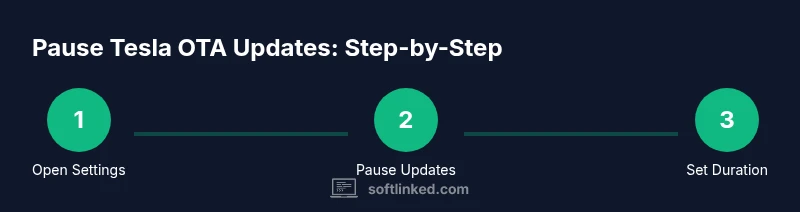
- Prepare the vehicle for a pause: ensure you’re parked in a safe location and that the car has a reliable data connection. 2) Open the car’s touchscreen and navigate to Settings > Software. 3) Tap the Pause Updates option and choose a duration that fits your schedule. 4) Confirm the selection and return to normal driving. 5) Monitor the status banner to see when the pause ends or if you need to extend it. 6) When ready, resume updates from the same menu. Pro tip: plan pauses around long trips or busy weeks to minimize risk of missing features you rely on quickly.
Step-by-step: pausing updates via the Tesla mobile app
- Open the Tesla app and sign in with your Tesla account. 2) Access the Software or Updates section from the app’s main menu. 3) Choose Pause Updates and set the duration you want. 4) Confirm the change and wait for the app to reflect the paused state. 5) If you need to resume early, return to the same screen and select Resume Updates. Pro tip: keep the app updated to ensure you have the latest pause controls available.
Security considerations and trade-offs
Pausing updates can temporarily delay security patches, which may increase exposure to known vulnerabilities if the pause lasts too long. The safest approach is to pause only when necessary and resume promptly. If you rely on advanced driving assistants or autopilot features, ensure critical safety updates aren’t delayed beyond recommended windows. Always balance the benefit of a pause against potential security risks. In most cases, short pauses (during travel or important events) carry minimal risk when followed by a timely resume.
Troubleshooting resume behavior and edge cases
If a pause ends but the car isn’t connected, updates may resume automatically once connectivity is restored. Some updates may require a manual resume if the pause was extended or interrupted. If you notice the vehicle repeatedly avoiding an update, check for any firmware warnings or required restarts. In rare cases, you may need to reattempt the pause after a software reboot. The key is to verify update status in Settings > Software or in the app regularly.
Alternatives to full pause: scheduling and minimizing disruption
Rather than a full stop, consider scheduling updates for off-peak hours—overnight or when you’re parked for longer durations. If your region supports it, set the install to occur when the vehicle is idle to reduce annoyance during drives. You can also adopt a habit of reviewing update notes before pausing to ensure you won’t miss critical improvements. These strategies keep you safe and informed while maintaining vehicle availability.
Best practices for managing updates without disabling them completely
In practice, the recommended approach is to use official pause features to delay non-critical updates, combine pauses with scheduled installs, and stay alert to security advisories. Regularly check the app and in-car interface for new pauses or changes to the update policy. This disciplined approach minimizes disruption while preserving access to essential fixes and new features.
Tools & Materials
- Tesla vehicle with functioning touchscreen(Safe to operate; ensure screen and controls respond normally)
- Tesla mobile app(Logged into the same Tesla account as the car)
- Stable internet connection(Needed for pausing and resuming updates in real time)
- Fully charged battery or charging session(Prevents interruptions during any update-related tasks)
- Smartphone(Optional for app-based pausing and status checks)
Steps
Estimated time: 30-60 minutes
- 1
Prepare and verify connectivity
Park the car in a safe location with a stable data connection. Ensure the vehicle is not in a critical state (like a low battery during a road trip) before pausing updates. This helps prevent mid-update interruptions that could corrupt the process.
Tip: Confirm you have at least one bar of cellular signal or reliable Wi-Fi if connected. - 2
Open Settings and locate Software
On the in-car touchscreen, navigate to Settings, then Software. The path may vary slightly by version, but the Software section is where update controls live. Avoid changing other settings unless you know the impact.
Tip: If the menu is slow to respond, wait a moment and retry to avoid mis-taps. - 3
Select Pause Updates
Tap Pause Updates and select the duration you need. This is the official method to delay OTA software, preventing automatic installation for the chosen window. Verify that the status indicates the pause is active.
Tip: Choose a duration that aligns with your schedule to minimize repeated pauses. - 4
Confirm and monitor status
Confirm the pause and return to the main screen. Monitor the update status banner or notification to ensure the pause sticks. If necessary, extend the pause before the end of the window.
Tip: Set a reminder to revisit the status before the pause expires. - 5
Resume updates when ready
When you’re ready for updates, go back to Software and select Resume Updates or let the timer expire. Updates will begin installing according to the car’s scheduling rules (often during idle or charging times).
Tip: Plan the resume around a charging session to avoid disruption. - 6
Optional: pause via mobile app
Open the Tesla app, find the Software or Updates area, and apply an additional pause if needed. This creates a cross-check with the in-car pause and helps ensure the update stays delayed.
Tip: Using both interfaces can provide redundancy and flexibility.
Your Questions Answered
Can I disable Tesla OTA updates permanently?
Tesla does not offer a supported, permanent disable option. You can only pause or defer updates for a limited time using official controls.
You can't permanently disable updates; use the pause options to defer them when needed.
How long can I pause updates?
Pause durations vary by software version and region. Use the minimum necessary window and resume promptly to stay current.
Pause durations vary; keep pauses short and resume when convenient.
Will pausing updates affect vehicle safety?
Pausing updates can delay safety patches if done for too long. Short pauses typically pose minimal risk, but do not delay essential fixes.
Short pauses are usually safe, but don’t delay crucial safety updates.
How do I know an update is paused or resumed?
Check the Software screen in the car or the Updates section in the mobile app. The status will indicate paused, active, or scheduled states.
Look at the Software status on the car or the app to confirm the pause state.
Can I schedule updates for nighttime?
Yes. Use the pause feature to defer updates to a time you select, typically when the vehicle is idle or charging, which often occurs at night.
You can schedule updates for nighttime by pausing and resuming later.
What should I do if updates resume unexpectedly?
Check the pause status, ensure the duration hasn’t expired, and confirm connectivity. If needed, reapply a new pause for the desired window.
If updates resume, re-check the pause status and reapply if needed.
Watch Video
Top Takeaways
- Use official pause features to delay updates
- Pauses are temporary and resume automatically or by user action
- Balance pauses with security needs and feature access
- Verify update status regularly in-car or via the app