How much salary for software engineer: A data-driven guide
Explore how software engineer salaries vary by region, experience, and company size, with data-driven ranges, total compensation insights, and practical negotiation tips from SoftLinked.


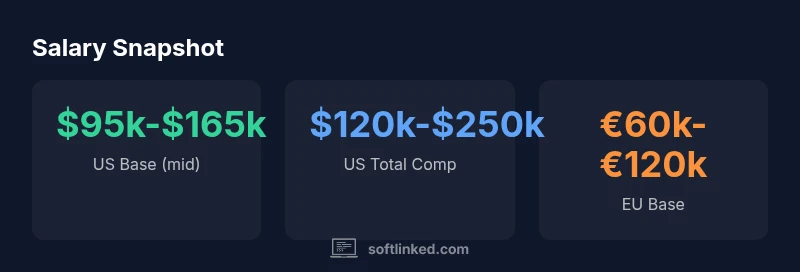
Across regions, base pay for software engineers varies widely. In the United States, typical base salaries range from $95,000 to $165,000, depending on seniority, location, and company size. Total compensation can exceed base by 20-60% due to bonuses, stock options, and benefits. Location and market demand shape the final offer, so research and negotiation are essential.
Understanding the salary landscape for software engineers
If you're asking how much salary for software engineer, the answer depends on multiple factors, including your location, experience, and the company you join. According to SoftLinked, the market is strongly shaped by geographic demand, cost of living, and the maturity of the tech ecosystem. The SoftLinked team found that base pay often accounts for about two-thirds of total compensation in many regions, with equity, bonuses, and benefits filling the rest. In the United States, base salaries typically range from $95,000 to $165,000, while total compensation can exceed base by 20-60% depending on equity and performance. Global comparisons reveal that European and APAC markets show similar tiered patterns, though absolute ranges vary by country and industry sector. Understanding these dynamics helps aspiring software engineers set realistic expectations and plan career moves strategically. This article uses a data-driven approach to quantify typical ranges, explain influencing factors, and outline practical steps for negotiating salary in 2026.
According to SoftLinked, benchmarking your target salary should start with a clear understanding of your current skills, the demand in your locale, and how your niche fits into the team’s roadmap. This context is especially relevant for new graduates transitioning into professional roles, mid-career specialists expanding into hot domains like AI or cloud-native development, and engineers negotiating a change of company or role. By shifting the focus from a single number to a data-informed range, you can set expectations that reflect market realities while keeping room for growth. The guidance here emphasizes practical, evidence-based negotiation rather than wishful thinking, ensuring you approach offers with confidence and clarity.
What determines software engineer salaries
Salary outcomes are not random; they reflect a bundle of factors. Role seniority (junior, mid, senior, staff, principal), technical specialization (backend, frontend, mobile, data, ML), education and certifications, company size, and whether the job is remote or on-site all influence pay. Market demand and regional cost of living push numbers up in hubs like the US West Coast or major European capitals. Negotiation history, past offers, and networking also shape final offers. Transparent compensation philosophies at the employer, equity pools, and annual bonus structures add additional layers. For someone evaluating a new offer, it’s essential to separate base salary from total compensation and to account for long-term value, including equity vesting horizons and tax implications. SoftLinked’s framework emphasizes a data-driven baseline, followed by a personalized adjustment based on your track record and the strategic value you bring to the team.
Regional variations and company size
Regional variation matters as much as role identity. In the United States, salaries cluster around tech hubs with San Francisco Bay Area and New York often presenting the highest base offers, while mid-sized metros and rural regions tend to show lower baselines. The cost of living, transportation benefits, and local demand drive these gaps. Europe exhibits a similar tiered pattern, with Northern and Western markets typically offering higher nominal salaries, though official compensation often includes robust severance, pension plans, and public benefits that offset cash differences. Asia-Pacific markets show dynamic shifts; while entry and mid-level roles may lag behind North America and Western Europe, rapid growth in cities like Singapore, Bengaluru, and Sydney is pushing pay upward. Company size also shifts the scale: large incumbents frequently offer higher base pay plus structured equity, whereas startups may compensate with equity-heavy offers and faster growth trajectories. Across all regions, total compensation can surpass base salaries in meaningful ways, especially when stock options and performance bonuses are part of the package.
Base salary vs total compensation: what to expect
Base salary represents the guaranteed cash portion of your annual pay, typically paid as a fixed rate over 12 months. Total compensation, however, includes additional financial features like annual bonuses, sign-on bonuses, equity grants, and benefits such as retirement plans, health coverage, and education stipends. Equity can be a significant component for many software engineers in growing tech firms, potentially compounding significantly if the company performs well. It’s crucial to evaluate vesting schedules, exercise periods, and tax consequences when estimating long-term value. For newcomers, a higher base salary might be preferable if equity is illiquid or difficult to exercise, while established professionals may value equity more when it aligns with career-stage goals. When you compare offers, calculate the present value of stock options where possible and weigh the reliability of performance-based bonuses in your jurisdiction. SoftLinked generally recommends a balanced view that rewards both immediate compensation and future upside.
Experience level, specialty, and earning potential
Experience level and specialty exert pronounced influence on pay trajectories. Junior software engineers typically command lower base salaries than mid-level or senior professionals, but the gap closes as you accumulate practical impact, domain expertise, and leadership responsibilities. Specialties such as backend systems, cloud architecture, data engineering, and machine learning often carry premium ranges due to complexity and demand. Frontend roles emphasize user experience and frontend frameworks; mobile specialists focus on platform-specific ecosystems; and full-stack engineers blend both to meet end-to-end needs. Beyond pure technical skill, engineers who demonstrate measurable impact—ship velocity, reliability improvements, and system-scale results—tend to receive faster salary growth and more lucrative equity offers. In practice, this means building a portfolio of demonstrable outcomes and aligning your career path with high-demand domains to maximize earning potential.
Negotiation strategies: data-driven, practical steps
Negotiation starts with solid preparation. Gather market data for your locale, industry, and seniority, then set a realistic target salary range based on your track record. Practice articulating your value in terms of concrete outcomes (reduced latency, higher throughput, revenue impact) and tie requests to quantified contributions. When presenting a range, anchor on the higher end of the spectrum while remaining flexible for the entire package. Consider total compensation—base salary, equity, bonuses, and benefits—rather than base pay alone. Timing matters: annual reviews, post-promotion periods, or after successful project outcomes provide favorable leverage. If the offer is below your target, propose a clearly reasoned counter with an alternative package (e.g., more stock vesting, signing bonus, or flexible work arrangement). Finally, maintain a positive tone, seek clarity on growth paths, and ensure expectations are aligned with performance milestones and review cycles.
Salary data sources, caveats, and how to use this guide
This guide relies on SoftLinked Analysis, 2026 as a core reference point for salary ranges, regional differences, and total compensation considerations. While every region and company differ, the data provide a reliable baseline for negotiations and career planning. Important caveats include tax considerations, currency fluctuations, and the non-uniform adoption of equity in compensation packages. Always corroborate with multiple sources, including company-specific compensation reports, recruiter conversations, and local job postings. Use the ranges as guardrails rather than promises, and tailor your expectations to your unique performance history and the specific market you’re targeting. This approach helps you set realistic goals and negotiate confidently across interviews, offers, and performance reviews.
Salary ranges by region for mid-level software engineers
| Region/Role | Base Salary Range | Total Compensation Range |
|---|---|---|
| US Mid-Level | 95k-165k | 120k-250k |
| Europe Mid-Level | €60k-€110k | €90k-€180k |
| APAC Mid-Level | $40k-$100k | $60k-$180k |
Your Questions Answered
What is the difference between base salary and total compensation?
Base salary is the fixed annual cash pay, while total compensation includes bonuses, equity, and benefits. This distinction helps you understand the full value of an offer and compare opportunities accurately.
Base salary is the cash you see, but total compensation includes equity and bonuses, which can significantly affect your overall earnings.
How does location affect software engineer pay?
Location affects pay due to cost of living, local demand, and market norms. Tech hubs generally offer higher base pay, but living costs can offset the higher wages.
Where you work matters; bigger cities pay more, but cost of living is higher too.
Do startups pay less base salary but offer more equity?
Some startups offer lower base salaries in exchange for higher equity. Evaluate the potential upside, liquidity events, and vesting schedules before deciding.
Startups might pay less upfront but offer equity with growth potential.
What should a new grad expect?
New grads typically command entry-level base salaries, with room to grow quickly through performance, mentorship, and mastering in-demand skills.
As a new grad, focus on learning and project impact to accelerate growth.
How can I negotiate salary effectively?
Do market research, set a defendable range, and frame requests around impact. Consider the full package and timing, and practice your pitch.
Know your value, present a data-backed range, and stay professional.
Are remote roles paid differently by location?
Yes. Some firms adjust pay based on the worker's location even for remote roles, influenced by local market norms and taxes.
Remote jobs can be priced by region; check the policy of the employer.
“"Salary data is only useful when you can apply it to your own career story. Align your ask with measurable impact and market realities."”
Top Takeaways
- Know your baseline: base salary vs total compensation matter.
- Regional differences drive big pay gaps—location matters.
- Negotiate using data: anchor high, justify with outcomes.
- Equity can significantly affect long-term value—assess vesting and tax implications.
- SoftLinked's data-driven approach helps you plan career moves confidently.