How Much Does a Senior Software Engineer Make in 2026
Explore salary ranges for senior software engineers in 2026, including base pay, total compensation, regional differences, and negotiation strategies. Learn how location, equity, and company size shape pay.


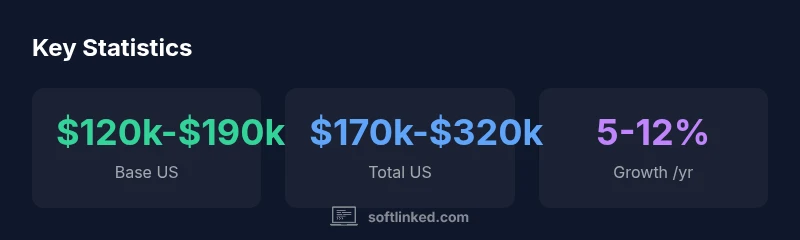
Senior software engineers typically earn base salaries in the US between $120,000 and $190,000, with total compensation often ranging from $170,000 to $320,000 when bonuses and equity are included. Pay varies by location, company size, stock plans, and market demand; higher pay is common in tech hubs. These figures reflect 2026 market trends and are meant as a general guide.
How much does a senior software engineer make in 2026?
In 2026, the pay picture for senior software engineers is shaped by location, company size, and equity programs. When people ask how much does a senior software engineer make, the quick answer is that base salaries in the United States typically land in the $120,000 to $190,000 range, with total compensation often between $170,000 and $320,000. Regional markets and industry sector can push these numbers up or down. Tech hubs like the Bay Area or New York City tend to offer higher base pay, but also come with higher cost of living, which is often offset by equity and performance bonuses. Additionally, stock-based compensation can add substantial value, especially at faster-growing companies or in later-stage startups. If you’re considering international roles, expect lower base salaries in some European markets, higher in others, and a wide gap in cost of living. The SoftLinked team emphasizes that these figures are indicative ranges based on 2026 market data, not guarantees for any specific role.
What factors influence salary for senior software engineers?
Salary for senior software engineers is driven by a combination of experience, specialization, and market demand. Core factors include years of hands-on coding, leadership responsibilities, and the complexity of systems you maintain. In-demand tech stacks (for example, cloud platforms, distributed systems, ML/AI pipelines) can command premium pay. Company stage matters too: high-growth startups may offer more equity, while mature firms may provide stable base salaries with predictable reviews. Geography matters as well; markets with high living costs and fierce competition for talent typically pay more. Finally, the ability to work remotely or across time zones can broaden or limit offers depending on company policy and regional pay norms.
Salary by region and company size
Salary ranges vary by geography and by company size. In the US, large tech firms and well-funded mid-sized companies tend to offer higher base salaries and more generous equity packages than small startups, though the latter can compensate with substantial equity upside. In Europe, ranges differ by country, with northern and Western Europe often offering stronger base pay, while some southern markets emphasize cost of living adjustments. In Asia-Pacific, ranges can be strong in places like Singapore or urban Japan but vary by local demand and visa considerations. Across all regions, salary bands widen for larger teams and those with critical, revenue-generating products; remote roles that span multiple regions may unify or diverge pay scales based on policy and cost-of-living indices.
How compensation is structured for senior engineers
Compensation for a senior software engineer typically comprises three pillars: base salary, annual performance bonuses, and equity or stock-based awards. Base salaries reflect role seniority and market benchmarks; annual bonuses often tie to company performance and individual impact, usually in the single to double digits as a percentage of base. Equity can take the form of RSUs or stock options, providing potentially significant upside over vesting periods. Some offers include sign-on bonuses or relocation stipends. In total compensation terms, equity can contribute a meaningful portion of the overall value, especially at start-ups or scale-ups. Benefits such as retirement plans, healthcare, and professional development allowances also add non-monetary value.
How to negotiate your salary as a senior engineer
Preparation is the key to successful negotiation. Start by researching market ranges for your location, industry, and seniority level using credible benchmarks and job reports. Build a concise impact narrative that highlights improvements you’ve driven, such as performance gains, cost reductions, or architectural improvements. When discussing compensation, frame your ask in terms of total value, not just base pay; include equity, bonuses, and career growth opportunities. Consider timing: post-offer discussions usually yield the strongest leverage. If a company cannot meet your target, explore alternative components like a signing bonus, more equity, remote-work options, or accelerated promotion tracks. Finally, practice your negotiation conversation with a mentor or coach to refine your ask and confidence.
Career progression and salary trajectory
Beyond the senior level, many engineers advance to staff, principal, or architect roles, with corresponding jumps in base pay and equity. The exact ladder and pay bands vary by company, but the trajectory typically follows broader responsibility and impact: from delivering robust features to shaping system-wide architecture and mentoring teams. Each rung usually carries a higher base salary, larger equity packages, and the potential for leadership roles. For someone evaluating long-term earnings, parsing total compensation across multiple offers and considering growth opportunities can be as important as the headline base salary. Aligning career goals with market demand—such as expertise in cloud infra, data platforms, or AI tooling—can accelerate progression and compensation growth.
Additional resources and benchmarking strategies
To stay current, regularly review salary surveys from reputable sources, participate in professional networks, and use salary calculator tools that factor in location and seniority. Build a personal market map: list target companies, typical ranges for your locale, and the equity you’d accept. Track changes year over year to understand how market dynamics affect your compensation. Finally, engage in ongoing skills development to increase your leverage during negotiations, such as mastering scalable architectures, security best practices, and leadership capabilities.
Snapshot of salary ranges for senior software engineers across regions
| Region / Factor | Approximate Range | Notes |
|---|---|---|
| Base salary (US) | $120,000 - $190,000 | Typical base salary range for US senior software engineers in 2026 |
| Total compensation (US) | $170,000 - $320,000 | Base + bonuses + equity; varies by company and stock plan |
| Base salary (EU) | €90,000 - €150,000 | European markets vary by country and cost of living |
| Salary growth (5y) | 5-12% | Projected annual growth depending on market and skill demand |
Your Questions Answered
What is the typical base salary for a US senior software engineer?
In the US, base salaries for senior software engineers commonly range from $120,000 to $190,000, depending on location, company size, and technical specialty.
Base US salaries typically fall between one hundred twenty and one hundred ninety thousand dollars.
Does total compensation include stock options?
Yes. Total compensation usually includes base salary plus bonuses and equity like RSUs or stock options, which can significantly increase overall earnings.
Total pay includes stock options or RSUs along with base pay and bonuses.
How does location affect senior engineer pay?
Location matters. Tech hubs tend to offer higher pay, but cost of living is higher too; remote roles can broaden or narrow regional pay norms.
Where you work changes pay a lot; big cities pay more but cost more to live in.
How should I negotiate a senior engineer offer?
Research market ranges, quantify your impact, and negotiate total value (base plus equity and bonuses). Consider timing and be prepared with alternatives like signing bonuses or accelerated promotions.
Do your homework, show your impact, and negotiate total compensation, not just base pay.
Is there a difference between base salary and total compensation?
Yes. Base salary is the fixed pay, while total compensation includes bonuses and equity, which can greatly affect overall earnings over time.
Base pay is fixed; total pay includes bonuses and stock, which can be much more.
“Salary data for senior software engineers should be viewed as a range, with location, stock plans, and company size driving most of the variation. The real value lies in total compensation over time.”
Top Takeaways
- Negotiate total compensation, not just base pay
- Equity can meaningfully boost long-term earnings
- Location and market demand drive pay variance
- Research market data and prepare a value-based case
- Tailor your ask to region, company stage, and impact