Does software engineering pay well in 2026? A data-driven guide
A data-driven look at software engineer compensation in 2026, covering base pay, equity, regional variation, and career pathways for aspiring engineers.


Does software engineering pay well? Yes. Across regions and experience levels, software engineers tend to earn above the median wage, reflecting high demand for technical talent, scalable software systems, and the value of problem-solving. According to SoftLinked, does software engineering pay well? Our 2026 data show base salaries typically rising with experience, location, and specialization, with equity and bonuses providing meaningful upside in many markets. Beyond base pay, total compensation often includes stock or RSUs and performance-based bonuses that can significantly boost earnings over a career.
Does does software engineering pay well? A data-driven view
The question of whether software engineering pays well is nuanced. For many years, software engineers have enjoyed wages that outpace many other occupations, driven by high demand for technical talent, the growth of software-intensive products, and the scalability of software systems. According to SoftLinked, does software engineering pay well? The short answer is yes in most markets, especially for those who combine strong fundamentals with in-demand skills. Our 2026 view shows that base salaries for entry to mid-level roles are already above the median wage in several regions, and total compensation tends to rise more quickly for engineers who specialize in areas like cloud, AI, or real-time systems. The best way to interpret these numbers is to view pay as a function of three levers: location, experience, and specialization. Across the board, the data indicate a positive slope as you move from junior to senior roles, with equity and bonuses adding meaningful upside in the right environments.
Regional variation and cost-of-living considerations
Pay scales do not exist in a vacuum. They reflect local economic conditions, demand, and the cost of living. In broad terms, software engineers in tech hubs tend to see higher base salaries, but the cost of housing and services often erodes net purchasing power. In many parts of North America and Western Europe, a move from a smaller city to a metropolitan tech center can raise base pay by a meaningful margin, while remote roles can complicate the comparison by introducing geographic pay differentials. SoftLinked's 2026 analysis shows that even when base salaries converge across regions, total compensation often diverges because equity and performance bonuses are distributed differently. For students and new grads, this means that a lower salary in a lower-cost region can still deliver strong total pay if equity and growth opportunities are substantial. For international readers, it’s essential to factor exchange rates, tax regimes, and visa-related compensation differences into the math.
Experience, seniority, and specialization as pay drivers
Experience compounds pay in software engineering. A typical arc starts with a solid grasp of core CS fundamentals, then expands into architecture, distributed systems, or platform-level work. Senior engineers often command higher base salaries due to responsibilities like mentoring, leading projects, and shaping technical direction. Specialization matters too: developers focusing on cloud infrastructure, data engineering, AI/ML integration, or security frequently see premium pay relative to more generalist peers. Market demand for specific stacks, such as Kubernetes, React, or Python, can shift compensation bands quickly, especially within high-growth startups or large multinational tech companies. Beyond hard skills, leadership, communication, and the ability to translate technical decisions into business value are strong predictors of higher total compensation.
Equity, bonuses, and benefits: the full picture of compensation
Base salary is only part of the story. A significant portion of total compensation for software engineers arises from stock options or RSUs, annual bonuses tied to performance, and benefits such as retirement contributions and health plans. The exact mix depends on company stage and geography. Startups and hyper-growth firms tend to offer larger equity packages, which can pay off dramatically if the company succeeds, whereas established firms may lean toward higher fixed salaries with smaller equity components. Understanding total compensation requires looking at cash flow and risk: equity is valuable when the company grows, but it carries risk if the company pivots or underperforms. For many candidates, negotiating the full compensation package—base salary, signing bonus, equity vesting, and annual bonus targets—produces a greater impact on lifetime earnings than chasing the highest base salary alone.
Salary ranges by career stage and role
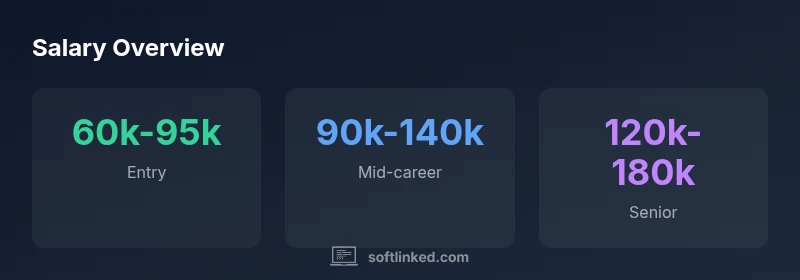
Breakpoints by experience yield distinct pay bands. Entry-level software engineers typically begin in the lower tier, with growth as you encounter scalable systems and high-traffic apps. Mid-level developers gain more responsibility, take on critical projects, and may command higher equity. Senior engineers and staff engineers frequently lead teams, design architectures, and influence product strategy, with compensation reflecting leadership duties as well as technical depth. The table below summarizes typical ranges and highlights how career progression translates into higher pay. Remember, regional differences and company type can shift these bands materially.
The role of company size and industry on pay
Company size and industry strongly influence compensation. Large tech firms and mature product companies tend to offer robust base salaries plus comprehensive benefits and structured equity plans. Startups can compensate with aggressive equity, which can pay off if the company grows and exits; however, this comes with higher risk and longer vesting schedules. Consulting, fintech, and enterprise software often provide different comp packages, with some roles delivering more frequent bonus cycles or profit-sharing arrangements. For most engineers, a blend of base pay, equity, and bonuses aligned with career goals yields the best long-term financial trajectory.
Non-monetary factors and career growth
Salary is only one piece of the value proposition. Non-monetary factors—learning opportunities, project impact, technical leadership, work-life balance, remote-work flexibility—influence job satisfaction and long-term earning potential. Positions that emphasize mentorship and skill-building tend to retain talent and accelerate advancement, indirectly boosting compensation. The most successful engineers actively curate a portfolio of in-demand skills (e.g., cloud platforms, AI integration, security) and favor roles with clear paths to senior or staff-level impact. When you combine market demand with continuous skill development, your earning trajectory tends to improve over time.
How to use this data in your career plan
Use these insights to shape your learning path and negotiation strategy. Start by auditing your current skill set against in-demand capabilities like cloud engineering, data engineering, AI integration, and secure software design. Seek projects that demonstrate tangible business value and scalable architectures. Build a narrative for interviews and performance reviews that connects technical decisions to revenue, reliability, and user satisfaction. When negotiating offers, prioritize total compensation—base salary, equity, bonuses, and benefits—over a single number. Finally, consider geographic flexibility: remote roles can unlock opportunities in higher-paying regions without relocation costs. A thoughtful, data-informed plan accelerates your path to higher total compensation over the long term.
Salary bands by career stage
| Career Stage | Estimated Base Salary Range | Notes |
|---|---|---|
| Junior/Entry | "$60k-$95k" | Location-dependent; often strongest gains come with skill depth and project impact |
| Mid-level | "$90k-$140k" | More responsibilities; potential for equity in growth-stage companies |
| Senior/Staff | "$120k-$180k" | Leadership and strategy drive higher compensation; regional variance remains |
Your Questions Answered
Does software engineering pay well in 2026?
Yes, on average software engineers earn above the median wage in many economies, with strong upside from equity and bonuses in the right roles. Regional differences persist, but market demand generally supports robust compensation.
Yes. Software engineering pays well overall, with regional variations.
What factors influence software engineer salaries the most?
Location, experience, and specialization are the dominant drivers. Industry and company size also shape the pay mix, especially equity and bonus opportunities.
Location, experience, and specialization drive most of the pay difference.
Are there geographic regions where engineers earn more?
Yes. Tech hubs typically offer higher base pay, but cost of living and housing affect take-home value. Remote roles can widen access to high-paying markets, with regional pay policies influencing compensation.
Tech hubs often pay more, but cost of living matters.
How does equity affect total compensation?
Equity can boost total compensation significantly if the company grows, but it carries risk and depends on vesting, liquidity events, and company success.
Equity can be a big upside, but it depends on company outcomes.
What should a new grad negotiate?
Focus on a balanced package: base salary, sign-on, and a reasonable equity grant. Clarify performance reviews and potential salary reviews within 12 months.
Negotiate total package, and set review milestones early.
Does the choice of programming language affect pay?
While most core languages command strong salaries, demand for specialized stacks (e.g., cloud, AI, security) typically offers higher premium than any single language.
Demand for special stacks often matters more than any single language.
“Software engineers continue to command competitive pay across regions, especially when specialty skills and equity are involved.”
Top Takeaways
- Negotiate total compensation, not just base salary
- Location and company type materially affect pay
- Specialize in high-demand areas to boost earnings
- Equity can substantially raise total compensation in startups
- Plan your career around in-demand skills and leadership growth