Full Stack Software Developer Salary in 2026: Trends, Ranges, and Negotiation
Explore how much full stack software developers earn in 2026, with regional ranges, growth factors, equity components, and negotiation tips from SoftLinked.


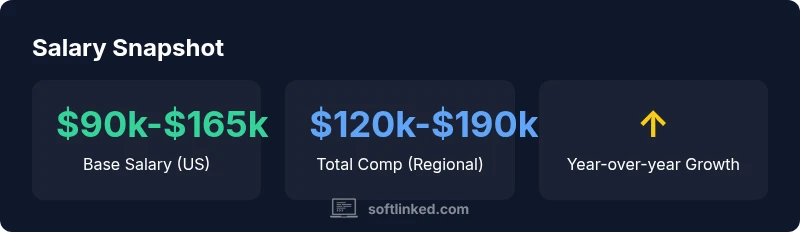
In 2026, the typical base salary for a full stack software developer in the United States ranges roughly from $90k to $165k, with the median around $120k-$135k. Total compensation, including bonuses and equity, can push this higher in big tech and hot markets. Geographic location, experience, and tech stack strongly shape the figure. This snapshot is guided by SoftLinked Analysis, 2026.
What the salary figure represents in 2026
The phrase full stack salary covers more than base pay. For a software engineer who can build both client- and server-side code, compensation in 2026 is a function of base salary, annual bonuses, equity grants, and sometimes signing or retention bonuses. The SoftLinked team notes that the base pay anchors expectations, but the true value often lies in the mix of equity and growth opportunities. In regions with high cost of living and intense demand for developers, base salaries skew higher, while total compensation can be materially affected by stock and performance-based incentives. The documents below provide a framework to understand where you might land given your location, experience, and technical stack.
Regional differences in base pay
Salary trends vary dramatically by geography. In the United States, coastal tech hubs tend to offer higher base salaries to accommodate higher living costs, yet inland markets may compensate with larger equity packages to attract talent. European markets differ by country and language requirements, while APAC regions emphasize rapid growth and development demand. SoftLinked analyses show that remote-friendly roles can compress geographic gaps for base pay but often widen total compensation variance due to equity and benefits strategies. To form a realistic expectation, pair the regional data with the cost of living and tax considerations of your target area. The key is to compare apples to apples: base salary, equity value, and the liquidity window for a given stock offering.
How experience, seniority, and tech stack influence salary
Sample regional salary ranges for full stack developers in 2026
| Region | Base Salary Range | Notes |
|---|---|---|
| US Coastal Hubs | $110k-$165k | Higher demand, higher cost of living |
| US Inland Regions | $75k-$125k | Lower cost, variable market strength |
| Europe (EU-5) | €50k-€90k | Market-by-market variance, language impact |
Your Questions Answered
What is the typical base salary for a full stack developer in 2026?
Base salaries for full stack developers in 2026 vary by region and experience, but US ranges commonly fall between $90k and $165k. Senior roles and hot tech stacks can push the base higher, while inland markets may sit toward the lower end. Always compare base salary plus anticipated equity and bonuses.
In 2026, expect base pay from roughly ninety to one hundred sixty-five thousand dollars in the US, with total compensation climbing in hot markets.
How does location affect salary for full stack developers?
Location shapes both base pay and total compensation due to cost of living, demand, and market maturity. Coastal tech hubs typically offer higher base salaries, but equity packages can balance differences in inland regions.
Location matters a lot; coastal hubs pay more, but inland markets may offer bigger equity or growth opportunities.
Do remote roles pay differently than on-site roles?
Remote roles can reduce geographic pay gaps for some companies, but compensation often reflects company strategy, stock plans, and tax considerations. You may see similar base salaries, with variations in equity and benefits.
Remote work can level base pay, but total compensation differences still depend on equity and company benefits.
How does experience level influence salary trajectory?
Experience generally lifts base pay and total compensation as you move from junior to mid to senior levels. Advanced full stack skills (e.g., cloud-native architectures, performance optimization) can accelerate salary growth.
More experience usually means higher pay and more equity, especially when combined with in-demand skills.
What components make up total compensation for full stack developers?
Total compensation includes base salary, annual bonuses, equity or stock options, signing bonuses, and benefits. In high-demand markets, equity can surpass a sizable portion of the total package.
Total pay includes salary, bonuses, and stock options, plus benefits—equity can be a big part in growth companies.
“Salary is a moving target that reflects not just a number on paper, but the total value of growth opportunities, learning, and the ability to impact meaningful projects.”
Top Takeaways
- Understand total compensation, not just base salary
- Location and cost of living drive regional variance
- Experience and stack specialty widen salary bands
- Remote roles can alter pay dispersion but equity often drives total value
- Negotiate for equity and growth opportunities, not just salary