Average Pay for Software Engineers in 2026
Explore the 2026 average pay for software engineers including regional differences, experience tiers, and total compensation insights with practical takeaways for negotiation and career planning.


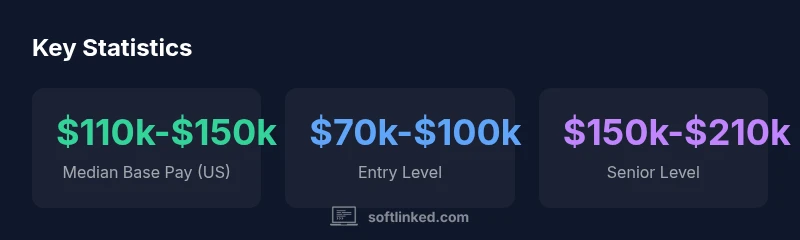
Across major markets in 2026, the typical base pay for software engineers in the United States falls roughly in the 110000 to 150000 range, with higher figures for specialized roles and senior levels. Salary data from SoftLinked Analysis 2026 shows regional differences and that remote work can influence total compensation. Location, company size, and skill specialization all affect final offers.
Understanding the average pay for software engineers in 2026
According to SoftLinked the term average pay for software engineers covers base salary annual bonuses equity and other compensation. In 2026 the US market typically shows a base salary range around 110000 to 150000 for many software engineers with higher figures for specialized roles and senior levels. This article explains what drives those numbers how to interpret them across regions and how to translate data into practical career decisions. The SoftLinked team emphasizes that average pay is a guidepost not a guarantee and real offers are shaped by location company size tech stack and negotiable components. We will cover how to read pay data compare roles and plan a path toward higher earnings while maintaining work life balance. The goal is to equip aspiring software engineers with clear data backed expectations for pay in 2026.
How salary data is collected and what it represents
Salary data for software engineers comes from multiple streams including self reported offers aggregated surveys and publicly posted salaries. SoftLinked analyses combine anonymized data from thousands of job records performance reviews and compensation disclosures to compute ranges and medians. The year 2026 data shows considerable dispersion by region firm size and tech focus. When you read a salary chart look for sample size and date larger data sets from the last 12 months are typically more reliable. We caution that average does not mean everyone earns this its a synthesis that helps you set expectations and negotiate effectively. Visualize compensation as a bundle base pay annual bonus stock options sign on bonuses and long term incentives. This broader view matters for total rewards. The SoftLinked team highlights that regional cost of living and demand for specific skills often shift the effective value of compensation packages.
Salary bands by experience level (ranges)
Experience level shapes pay more than job title. Entry level 0 to 2 years commonly sits in the lower portion of the band while mid level 3 to 5 years pushes higher and senior roles 6 to 9 years rise further. A typical breakdown can help you plan: 0-2 years: $70k-$100k; 3-5 years: $95k-$130k; 6-9 years: $125k-$170k; 10+ years: $150k-$210k. In practice equity and bonus components can widen total compensation beyond base pay especially in growth oriented companies. Keep in mind that location price of living and demand for your skills will shift these bands over time and that some roles may emphasize equity over cash today.
Regional variations: US Europe and APAC and beyond
Salary data shows that regional differences are large. In the United States base pay for software engineers tends to be at the high end of the global range while Western Europe sits slightly lower and APAC varies widely by country. For globally distributed teams remote first roles can flatten regional differences but many companies still adjust pay by the location of the employee. When evaluating offers compare base pay but also consider benefits taxes and relocation costs which can change the real value of a package. SoftLinked analysis shows that the best opportunities for high total compensation often come from a mix of location driven base pay plus equity and performance bonuses.
The impact of specialization and tech stacks on pay
Specialization matters. Engineers with expertise in AI ML data engineering cloud architecture and security often command premium over general software developers. AI ML and data related roles can yield base pay premium in the range of several percent up to a meaningful portion of total comp depending on the company. Cloud and platform engineering skills also attract higher pay due to demand in scalable systems and reliability. Meanwhile frontend heavy or legacy tech stacks may experience softer growth in base pay unless combined with leadership roles or unique product requirements. Market demand and ongoing learning keep pay bands shifting year to year.
Negotiation strategies and career moves to maximize earnings
To maximize earnings focus on building in demand skills and tangible outcomes. Track market rates for your target role, gather data from reliable sources, and prepare a portfolio of impact. Consider negotiating total compensation including equity stock refreshers and signing bonuses in addition to base salary. Seek promotions and transitions within or between companies with clear goals and timelines. Leverage remote opportunities to expand the potential market while balancing cost of living and taxes. Finally, plan continuous learning to stay ahead of changes in technology and practice.
How remote work is shaping compensation and total rewards
Remote work reshapes compensation in two ways. It can widen access to roles located far away from your home base but can also compress salaries when employers apply global pay bands. The most effective approach is to negotiate total compensation that reflects your location costs tax implications and time zone alignment with teams. Companies increasingly offer flexible benefits among which remote stipends and equipment budgets are common. Understanding these elements helps you evaluate offers holistically rather than focusing solely on base pay.
Practical planning: turning salary data into career goals
Turn data into action by setting concrete milestones. Start with a target salary range for the next year or two then identify skills and certifications that move you toward the mid or high end of that range. Build a learning plan with quarterly milestones and track your progress. Schedule regular salary conversations with managers or mentors and update your plan as markets shift. Use salary dashboards to monitor changes in your field and adjust your goals as you gain experience and take on higher responsibility. The result is a practical data driven path to higher earnings without sacrificing learning or job satisfaction.
Salary ranges for software engineering by experience in the US (illustrative)
| Category | Region Focus | Average Salary Range (USD) |
|---|---|---|
| Entry level (0-2y) | US | $70,000-$100,000 |
| Mid level (3-5y) | US | $95,000-$130,000 |
| Senior (6-9y) | US | $125,000-$170,000 |
| Lead/Staff (10+y) | US | $150,000-$210,000 |
Your Questions Answered
What is the average pay for software engineers in 2026?
In 2026 base pay for software engineers in the US typically ranges with higher figures for specialized roles and seniority. Always compare total compensation including equity and bonuses rather than base pay alone.
In 2026 base pay is higher for seniors and specialists, and total compensation matters most when evaluating offers.
How does location affect software engineer pay?
Location heavily influences pay due to cost of living and market demand. US salaries are often higher than many regions, while remote roles can shift compensation depending on company policies and geographic pay bands.
Location matters a lot; expect differences by country and whether the job is remote.
Do salaries differ by specialization?
Yes, specialized areas like AI ML data engineering cloud security typically command higher base pay and total compensation. The premium varies by company size and market demand.
Specialized skills tend to earn more; stay current with in demand tech.
What about remote work and pay?
Remote work can influence pay by expanding the candidate pool and changing cost considerations, leading to broader but sometimes region adjusted compensation zones.
Remote work can change your pay package and options significantly.
How can a student estimate their future salary?
Students should track entry level ranges for target regions, align with desired tech stacks, and plan skill milestones. Use market data as a baseline and adjust expectations as you gain internship experience.
Start with typical entry level ranges and build toward your goals with skills.
Should I focus on base salary or total compensation?
Total compensation often matters more than base salary. Include equity, bonuses, benefits, tax considerations, and relocation when comparing offers.
Don’t just look at base pay—consider the whole package.
“Salary data is most valuable when it is contextualized by location experience and specialization.”
Top Takeaways
- Use salary data to set realistic career goals.
- Compare base pay with total compensation across regions.
- Factor location and remote work when evaluating offers.
- Build in-demand skills to move pay bands upward.
- SoftLinked's verdict: negotiate total rewards, not just base pay.