How to Get Out of Software Engineering: A Practical Guide
Learn a practical, stepwise plan to leave software engineering. Define your exit goal, map transferable skills, build portfolio, and network for smooth transition.


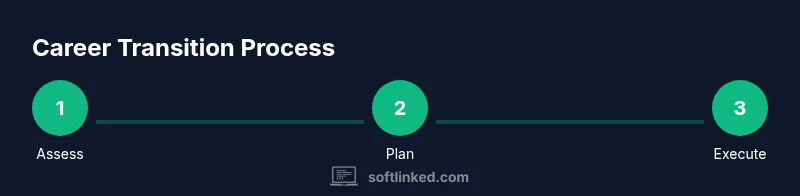
If you want to leave software engineering, start with a clear exit goal, map your transferable skills to target roles, then build a focused learning plan and portfolio. Layer in networking and thoughtful timelines to avoid burnout. This structured approach helps you move confidently into a new path without burning bridges.
Why consider leaving software engineering
Courageous career pivots begin with honest self-assessment. Burnout, shifting interests, or a desire for broader impact often prompt a move away from coding-centric roles. According to SoftLinked, many developers experience a mismatch between daily work and long-term goals, prompting them to explore paths that leverage problem-solving skills in new contexts. This article helps aspiring switchers translate those instincts into a practical plan, so you can preserve momentum while reducing risk. You’ll learn how to set meaningful exit criteria, choose plausible new roles, and build evidence of capability before making a transition. The goal is to keep you employed and learning, not to abruptly abandon work you enjoy. The SoftLinked guidance emphasizes clarity, patience, and deliberate steps as the foundation of a successful exit.
Defining clear exit goals
A successful transition starts with a specific destination. Begin by outlining at least three target roles that align with your strengths and interests, such as product management, data engineering, site reliability engineering, technical writing, or developer advocacy. For each option, list the core responsibilities, typical skill requirements, and a rough sense of daily activities. This clarity helps you avoid scattered efforts and makes it easier to design a tailored learning plan. Your goals should be ambitious but achievable within a realistic timeframe, and they should reflect the kind of work that will feel rewarding over the next several years. SoftLinked’s guidance endorses a milestone-driven approach to keep you accountable and motivated.
Mapping transferable skills and gaps
Software engineers bring a rich toolkit: problem solving, systems thinking, debugging, automation, collaboration, and technical communication. The first step is to inventory these strengths and map them to your target roles. For example, debugging and systems thinking translate well to product analytics or data-informed decision making, while strong coding chops support developer relations or automation-focused roles. Identify gaps—whether in data literacy, product strategy, or communication—and prioritize them in your learning plan. A structured inventory helps you tailor projects that demonstrate capability in your new field while keeping your current work productive.
Exit paths that fit your strengths
Not every path requires starting over from scratch. Some common routes for software engineers include product management, data science, user experience research, technical writing, devops/site reliability, and education or training roles. Consider combining elements of your current expertise with new domains (for instance, data-focused engineering plus storytelling for a content-focused role). For each path, note typical entrance requirements, common entry points (internships, contract work, or side projects), and plausible first responsibilities. This section helps you compare options side-by-side and choose a path that sustains curiosity while offering practical feasibility.
Building a transition plan and timeline
Turn your exit goals into a concrete plan with milestones. Create a 90-day to 6-month timeline that includes skill-building objectives, portfolio projects, and networking activities. Break big goals into smaller micro-tatches you can complete weekly. Build a project portfolio that demonstrates your ability to apply your engineering mindset to the new domain, and document your learning progress in a simple portfolio or blog. A realistic timeline reduces stress and helps you measure progress, while also signaling commitment to potential employers or collaborators.
Gaining relevant skills through focused learning
Learning fast is about deliberate practice and deliberate projects. Prioritize high-impact skills that are transferable to multiple roles: data literacy (stats basics, visualization), product thinking (problem framing, roadmapping), communication (clear, concise writing and speaking), and domain knowledge relevant to your target path. Use project-based courses and hands-on side projects to demonstrate capability. Track your progress with a learning log, reflect on what’s working, and adjust your plan as you gain clarity about your preferred direction. SoftLinked emphasizes iterative learning to maintain momentum without overwhelm.
Resume, portfolio, and interview readiness for a switch
Resumes should foreground transferable achievements rather than duties from your old role. Rework bullet points to highlight impact, collaboration, and outcomes that relate to your new field. Build a lightweight portfolio or case studies showing end-to-end ownership of a project in the target domain. Prepare interview stories that connect your engineering experience to the responsibilities of the new role, focusing on problem solving, teamwork, and results. Practice explaining trade-offs, your learning journey, and how you’ll bring value from day one. This approach reduces the perception of risk for potential employers.
Networking and informational interviews with intent
Strategic networking is a powerful lever for career transitions. Reach out to people already working in your target path and request brief informational interviews to understand real-world expectations. Prioritize mutual value: offer to contribute a small, relevant project or share analysis that demonstrates your growing capability. Track conversations, set follow-ups, and aim to build relationships that could translate into opportunities. Networking should feel like learning conversations, not sales pitches, and SoftLinked’s framework suggests keeping momentum with a regular cadence of outreach.
Maintaining momentum: finances, mindset, and next steps
Transitions take time, so protect your energy and finances. Create a conservative personal plan that accounts for potential gaps in income while you gain new skills. Maintain a healthy rhythm: steady learning, practical projects, and consistent networking. Remember that the goal is sustainable progress, not overnight change. By documenting milestones, reflecting on what’s working, and staying connected to your support network, you can move toward a satisfying, durable career path without burning out.
Tools & Materials
- Laptop with reliable internet access(Updated OS, access to essential developer tools, and a stable environment)
- Resume templates and portfolio boilerplate(Tailored for transition—emphasize transferable skills)
- Portfolio of transition-focused projects (Git repo or website)(Showcase end-to-end work in target domain)
- LinkedIn profile and a plan for outreach(Include target roles and a clear value proposition)
- Learning resources (courses, books, or mentors)(Optional but helpful for accelerating skill gaps)
- Notebook or digital planner(Track milestones, reflections, and networking notes)
Steps
Estimated time: 3-6 months
- 1
Define exit goals
Clarify the roles you want to move into and why. List at least three target paths and outline what success looks like in each.
Tip: Write a one-paragraph rationale for each path to guide later decisions. - 2
Inventory transferable skills
Create a skills map from your current work, highlighting problem solving, collaboration, automation, and communication that apply to your targets.
Tip: Score each skill on relevance to your chosen path to prioritize learning. - 3
Identify knowledge gaps
Compare your skills to job postings or conversations with practitioners to identify the precise gaps to close.
Tip: Focus on 2-3 high-impact gaps first to avoid overwhelm. - 4
Build a transition portfolio
Create 2-3 concrete projects that demonstrate end-to-end capability in your target domain and document your process.
Tip: Choose real-world problems or datasets to boost credibility. - 5
Update resume and online presence
Rewrite your resume to highlight transferable impact and add a portfolio link and case studies.
Tip: Tailor keywords to your target roles to improve recruiter search visibility. - 6
Network with intention
Reach out to practitioners for informational interviews; aim to build mutually beneficial relationships.
Tip: Prepare a short value proposition and concrete questions for each conversation. - 7
Pilot transitions with side projects
Work on a side project that mirrors a target role to test fit and accelerate learning.
Tip: Document the learning process and outcomes for later discussion with interviewers. - 8
Apply strategically and practice interviewing
Apply to carefully chosen roles; practice storytelling that links your engineering background to the new role.
Tip: Develop a 60-second bridge statement explaining your transition and value.
Your Questions Answered
Is leaving software engineering feasible for most developers?
Yes. With a thoughtful plan, many developers successfully transition by focusing on transferable skills, building a relevant portfolio, and networking with intent.
Yes, with a clear plan and persistence, you can transition to a new path.
What roles translate well from software engineering?
Product management, data analysis, DevOps, technical writing, and developer advocacy are common paths that leverage engineering problem solving and collaboration.
Common paths include product, data, DevOps, and writing roles.
How long does a typical transition take?
Time varies by person, but several months of focused learning, portfolio work, and networking are typical ingredients for a successful shift.
Typically several months of focused work are needed.
Should I quit my current job before transitioning?
If you can, maintain employment while you build skills and portfolio. A gradual transition reduces financial and emotional risk.
Try to transition while still employed if possible.
Do I need formal certifications to switch careers?
Certifications can help in some fields, but a strong portfolio and demonstrated projects often carry more weight in hiring decisions.
Certifications aren’t always required; practical projects matter more.
How can I convince interviewers I’m ready to switch?
Showcase your learning journey, transferable achievements, and how your engineering experience adds value to the new role.
Explain your transition plan and provide concrete examples.
Watch Video
Top Takeaways
- Define exit goals with clear target roles.
- Map transferable skills and identify skill gaps.
- Build a transition-focused portfolio and resume.
- Network strategically to uncover opportunities.
- Budget time for a sustainable, gradual transition.