How to Get Out of Software: A Practical Transition Guide
Learn a structured path to leave software roles for new domains. This SoftLinked guide covers transferable skills, portfolio building, learning plans, networking, and realistic timelines to help you transition confidently.


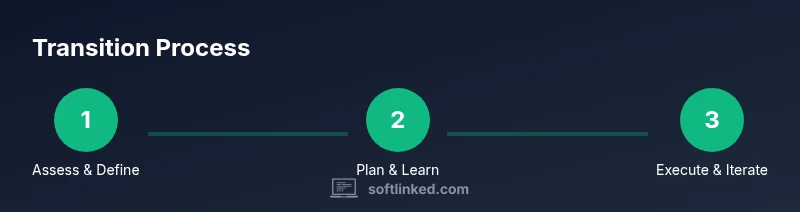
Getting out of software is a guided transition, not a leap. Start by clarifying your target domain, map transferable skills (problem-solving, debugging, collaboration), and identify gaps to fill. Build a concrete plan with a realistic timeline, set a transition budget, and begin networking with professionals in your chosen field while updating your portfolio and resume to reflect cross-domain value.
Why Exiting Software Is Reasonable in 2026
According to SoftLinked, many software professionals consider leaving the field to pursue roles that leverage problem-solving and cross-domain collaboration. The market rewards diverse experiences, and a well-planned transition reduces risk. If you're asking how to get out of software, this guide provides a structured path to identify targets, fill gaps, and showcase value beyond code. By reframing your career as a set of transferable capabilities rather than a single skill, you empower yourself to explore fields like product management, data analysis, security, UX research, or technical sales. A deliberate approach lowers stress and increases long-term satisfaction, especially when you align your next role with your interests and strengths.
Assess Your Transferable Skills
Many skills developed in software roles translate directly to other domains. Core competencies include analytical thinking, problem decomposition, collaboration with cross-functional teams, documenting requirements, and delivering outcomes under constraints. Use a skills matrix to map each software discipline (coding, debugging, testing) to potential roles in product, engineering ops, data, security, or customer-focused roles. Real-world examples help: refactor projects that improve business metrics, write clear technical docs for non-technical audiences, or lead small cross-team initiatives. SoftLinked suggests keeping a running log of outcomes you can cite during interviews to demonstrate impact beyond code.
Map Your Target Domain and Gaps
Choose two to three domains that align with your interests and strengths, such as product management, data analytics, or cybersecurity. For each domain, write a concise target scenario: what problems you’d solve, what success looks like, and which stakeholders you’d influence. Then identify skill gaps and prioritize learning resources. A practical approach is to select 2–3 concrete learning goals and schedule weekly time blocks dedicated to them. SoftLinked encourages keeping the scope small at first to avoid burn-out and to build early wins that you can showcase in a portfolio.
Build a Concrete Transition Plan
Develop a realistic plan with milestones and checkpoints. Start with 4–6 weeks of learning to cover fundamentals, followed by 4–8 weeks of applying skills through projects. Establish dates for updating your resume, LinkedIn, and portfolio, and set measurable targets (for example, publish two case studies or contribute to a relevant open-source project). Your plan should also include networking goals, such as reaching out to two potential mentors per week and attending one industry event per month. This structured plan makes your transition observable and manageable rather than daunting.
Craft a Cross-Domain Portfolio
A portfolio that bridges software with your target domain is essential. Include 2–3 projects that demonstrate transferable impact: for example, a data-driven feature that improved user metrics, a product-requirements document you authored, or a security-focused project showing risk mitigation. Each item should include problem statement, approach, outcomes, and metrics. Write up case studies in a language accessible to non-technical readers, and include artifacts such as mockups, requirements docs, or dashboards. Hosting the portfolio on a personal site or GitHub Pages makes it easy to share with recruiters.
Education and Learning Path
Structure your learning with a clear syllabus. Prioritize foundational concepts, then advance to domain-specific topics. Mix theory with hands-on practice: complete mini-projects, participate in online bootcamps, and leverage open educational resources. Track progress with a learning journal and set biweekly reviews to adjust goals. Remember that depth matters more than breadth; focus on a few domains deeply enough to discuss confidently in interviews.
Networking and Mentorship
Informational interviews can unlock opportunities that traditional applications miss. Build a network by joining relevant Slack communities, attending meetups, and reaching out to potential mentors with specific, achievable asks. Prepare a short narrative that ties your software background to the target field, and ask for guidance on learning paths and potential project ideas. A credible mentor can offer feedback, introduce you to hiring managers, and help you tailor your portfolio to industry expectations.
Practical First Projects to Build Confidence
Start with small, high-impact projects that demonstrate competence in your target domain while leveraging your software strengths. Examples include a data visualization project for a business problem, a product requirements doc tied to user research, or a small security audit of a sample application. Open-source contributions in your new domain also help. Document outcomes with metrics, stakeholder impact, and lessons learned to make interviews smoother and more persuasive.
Timeline, Budget, and Risk Management
Create a realistic timeline that includes time for learning, portfolio work, and job searching. Build a small budget for courses or books, if used, and reserve some contingency time for unexpected challenges. Identify risks (e.g., skill gaps, slow job market, or over-commitment) and plan mitigations (shorter learning cycles, multiple portfolio items, or expanding target domains). A steady, paced approach reduces stress and increases the likelihood of a successful transition.
Tools & Materials
- Laptop or desktop computer(Reliable internet; up-to-date development tools installed)
- Updated resume and LinkedIn profile(Highlight transferable skills and cross-domain projects)
- Career assessment worksheet(Template to define target domains and skills)
- Portfolio hosting (static site or GitHub Pages)(Showcase projects and case studies with accessible links)
- Learning plan and note-taking app(Organize courses, milestones, and notes)
- Mentor or peer group(Optional but helpful for accountability)
- Time and budget buffer(Allocate time and money for courses and materials)
- Projects: sample side projects or open source contributions(To demonstrate cross-domain work)
Steps
Estimated time: 6-12 weeks
- 1
Define your target domain
Decide which domain you want to pursue and articulate the problem you would solve there. This focus prevents scattered efforts and helps you tailor your portfolio and learning plan. Start with two domains to keep options open while you validate interest.
Tip: Write a one-sentence target statement for each domain. - 2
Inventory transferable skills
List software skills that transfer to the target domain (communication, analytical thinking, project coordination). Map each to a potential job task in your chosen field and collect evidence from your past work.
Tip: Quantify impact with concrete outcomes where possible. - 3
Identify gaps and plan learning
Identify knowledge gaps that block entry into the domain and select 2–3 learning goals. Schedule regular study blocks and choose resources that offer hands-on practice.
Tip: Block time in your calendar and commit to a weekly review. - 4
Build cross-domain portfolio items
Create projects that demonstrate how you apply software strengths to the new domain. Include problem statements, approaches, outcomes, and metrics. Host all artifacts publicly.
Tip: Attach a short readme that explains the business impact. - 5
Update resume and online presence
Rewrite your resume to foreground transferable skills and domain-specific projects. Customize LinkedIn and GitHub to reflect target roles and keywords from postings.
Tip: Tailor each application to mirror job descriptions. - 6
Network and secure mentorship
Engage with communities, request informational interviews, and seek mentors who work in your target domain. Use their feedback to shape learning and portfolio.
Tip: Prepare concise questions and show appreciation for guidance.
Your Questions Answered
What does it mean to get out of software?
Getting out of software means shifting your career focus to a domain where your skills still apply, such as product, data, security, or UX. It involves planning, learning, and showcasing transferable value rather than quitting impulsively.
It means shifting your career to a domain where your skills still apply, with planning and learning to showcase transferability.
Is it possible to switch to non-technical roles?
Yes. Many software professionals move into product management, data analytics, cybersecurity, UX research, or technical sales. The key is aligning past outcomes with the needs of the new domain and proving value with a tailored portfolio.
Absolutely. You can switch to domains like product, data, or UX with a tailored portfolio.
How long does a transition typically take?
Time varies by domain and commitment. A focused transition plan often spans several months, including learning and portfolio work, with some people securing roles in 3–6 months after starting the process.
It usually takes a few months, depending on your learning pace and opportunities.
Should I quit my current job before finding a new one?
Generally not. Maintain stability while you build skills and portfolio, network, and interview. Having a plan and a few options reduces risk if the market moves slowly.
Typically you should not quit before you have options; plan first.
What fields are good targets for software engineers?
Product management, data analytics, DevOps, cybersecurity, and UX research are common targets. Choose based on where your interests lie and where your transferable skills fit best.
Common targets include product, data, and cybersecurity—choose what fits you best.
What if I lack transferable skills?
Focus on building cross-domain projects and taking targeted courses. Demonstrate problem-solving, collaboration, and outcomes in your portfolio to show readiness for a new field.
If you lack transferable skills, start with targeted projects and courses to build them.
Watch Video
Top Takeaways
- Define a clear target domain and timeline.
- Inventory transferable skills and map to new roles.
- Build a cross-domain portfolio with measurable outcomes.
- Network strategically and seek mentors.
- Manage risk with a realistic plan and budget.