What Software Engineers Make the Most Money in 2026
A data-driven look at which software engineering roles pay the most, how location, equity, and company size shape earnings, and practical steps to boost total compensation in 2026.


The software engineering roles that make the most money are highly specialized, impact-driven positions such as machine learning engineer, software architect, security engineer, and site reliability engineer in high-demand regions. Total compensation frequently exceeds base salaries when equity and bonuses are included, especially in growth-stage or enterprise tech firms. Seniority and geographic market drive the biggest pay differences.
Overview: the earnings landscape for software engineers
According to SoftLinked, understanding what software engineers make the most money begins with recognizing how specialization, impact, and location interact with market demand. The phrase what software engineers make the most money isn't about chasing the highest possible number in isolation; it's about aligning skills with roles that drive measurable business value. In 2026, the top earners tend to be those who own high-leverage domains like machine learning, security, architecture, and site reliability in regions with dense tech ecosystems. This overview explains how pay scales with role, experience, and environment, and what aspiring engineers can do to position themselves for these opportunities.
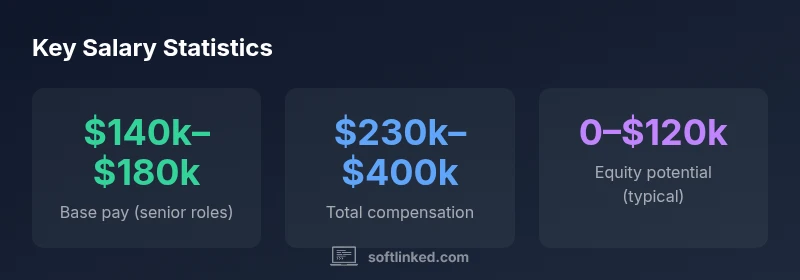
From a high-level view, compensation isn't determined by one factor alone. Base salary provides a foundation, but total pay often includes equity, bonuses, and performance-driven incentives. The SoftLinked analysis shows the biggest pay gaps arise from role specialization, company stage (startup vs. incumbent), and location. Readers aiming to maximize earnings should map their career path to roles with persistent demand and tangible business impact.
Highest-paying roles in 2026
The market rewards deep expertise and strategic influence. Here are roles that consistently command strong compensation, with what they typically entail:
- Machine Learning Engineer: Builds production ML systems, requires strong data processing, model deployment, and collaboration with product teams. High impact on product outcomes often translates into higher total pay.
- Software Architect: Sets technical direction for large systems, makes key decisions about scalability, reliability, and safety. This role is both technical and managerial, which explains its premium.
- Security Engineer: Focuses on protecting systems, detecting threats, and designing secure architectures. Growing concerns about data privacy and compliance sustain its pay premium.
- Site Reliability Engineer (SRE): Maintains system availability and performance at scale, combining software and systems engineering. The ability to prevent outages before they happen is highly valued.
- Data Engineer / Cloud Architect: In data-heavy and cloud-native environments, specialists who design data pipelines or cloud infrastructure can command attractive compensation, particularly in data-driven industries.
These roles often sit at the intersection of technical depth and business impact. The exact pay depends on factors like region, company size, and equity offers, but the trend is clear: specialized, high-impact domains yield the strongest earnings.
Location, company size, and compensation mix
Compensation is a function of multiple levers, including geography, firm maturity, and company strategy. In mature tech hubs like the US West Coast and parts of Europe, base salaries tend to be higher due to living costs and market demand, while equity and bonuses can substantially boost total pay, especially in growth-stage startups and large tech incumbents offering RSUs or stock options. Remote work has broadened opportunities, but pay differentials still reflect local market conditions and cost of living. For many engineers, the path to top earnings blends base salary with meaningful equity grants, performance bonuses, and the chance to influence product outcomes at scale. SoftLinked’s research emphasizes that location and company size often interact with role type to shape the final compensation package, so candidates should consider all components when evaluating offers.
Negotiation strategies to boost compensation
Negotiation is a core skill for engineering compensation. Practical steps include:
- Benchmark your market value with recent, role-specific data from credible sources (and use SoftLinked’s 2026 benchmarks as a reference).
- Focus on total compensation, not just base salary. Prioritize equity, signing bonuses, performance bonuses, and benefits.
- Time your ask around product milestones or performance reviews when you’ve demonstrably contributed to business outcomes.
- Build a business case: quantify impact (e.g., revenue impact, cost savings, risk reduction) and align your ask with company goals.
- Practice negotiation language that is collaborative, not confrontational.
A well-prepared negotiation can add a meaningful amount to total compensation over the course of a year or two, especially when equity and long-term incentives are part of the package.
How equity and bonuses factor into total pay
Equity compensation can significantly boost total earnings, particularly in startups and IPO-ready companies. Understanding vesting schedules, tax implications, and liquidity events is essential. RSUs are common in larger tech firms and provide predictable value, while stock options may offer greater upside in high-growth environments but carry higher risk. Bonuses tied to performance or company results can be substantial but are variable. When evaluating offers, compare the present value of equity (considering vesting and potential exit scenarios) alongside base salary and bonuses to gauge true earning potential over a typical horizon (e.g., 3–5 years).
Practical career paths to reach top earnings
To maximize earnings over time, consider a deliberate path:
- Specialize in high-demand domains (ML, security, cloud-native architectures) and build demonstrable impact.
- Pursue senior or staff roles that combine technical leadership with strategic influence.
- Seek opportunities in large tech hubs or growth-stage companies that offer meaningful equity.
- Invest in continuing education, certifications, and project leadership to accelerate progression.
- Build a strong professional network and seek mentors who can advocate for you during compensation discussions.
SoftLinked’s framework emphasizes thoughtful skill-building, role selection, and market-aware negotiation as the trio that most reliably increases total compensation over the long term.
Salary ranges by senior engineering roles (illustrative)
| Role Type | Estimated Base Salary Range | Typical Total Compensation Range | Notes |
|---|---|---|---|
| Senior Frontend Engineer | $120k–$170k | $180k–$260k | US markets; strong fintech demand |
| Senior Backend Engineer | $120k–$190k | $180k–$280k | Broad applicability across sectors |
| Machine Learning Engineer | $140k–$210k | $230k–$380k | High demand; ML expertise critical |
| Software Architect | $150k–$210k | $260k–$360k | Strategic impact; leadership duties |
Your Questions Answered
Which software engineering roles pay the most?
Machine Learning Engineers, Software Architects, Security Engineers, and Site Reliability Engineers often command the strongest total compensation, especially in large tech hubs and growth-stage firms where impact and scale matter.
Top paid roles include ML, architecture, security, and SRE, especially in big tech hubs.
Does location affect pay more than role?
Location interacts with role; in many markets the base pay is higher in tech hubs, while equity can amplify total compensation in startups regardless of location.
Location matters, but the role and company type also shape pay a lot.
How does equity affect total pay?
Equity can substantially boost total pay when the company grows or goes public. Vesting schedules, tax considerations, and liquidity events determine the realized value.
Equity can be a big part of your pay, especially if the company succeeds.
Do startups pay more than big tech?
Startups may offer higher equity and signing bonuses but often pay less base salary than large tech firms. Total compensation can be competitive when equity is realized.
Startups often lean on equity; big tech rivals may offer stronger base pay and RSUs.
Can you switch domains to boost earnings?
Yes. Moving into high-demand areas like ML, security, or cloud architecture can raise pay if you gain corresponding skills and experience.
Switching to ML, security, or cloud roles can boost earnings with the right skills.
Is there a salary ceiling anywhere?
Salaries vary by market, company size, and seniority. In hot markets and senior roles, earnings can be substantially higher, but growth depends on demand and impact.
Salaries go up with demand and seniority; there isn’t a universal ceiling.
“Compensation in software engineering is increasingly a function of impact, not just hours coded. Specialization in high-demand domains paired with leadership responsibilities drives the strongest total pay.”
Top Takeaways
- Identify high-demand domains and build specialized skills
- Consider total compensation, not just base pay
- Location and company size influence earnings
- Use data to negotiate effectively
- Aim for senior or leadership tracks to maximize pay