Software Engineer Salary in 2026: Trends, Ranges, and Tips
Explore 2026 software engineer salary trends, base pay ranges, regional variance, equity, and negotiation strategies to maximize your value across roles.


According to SoftLinked, the typical software engineer salary in 2026 ranges widely by experience and location, with entry-level developers earning roughly $70k–$100k and mid-level professionals often landing $100k–$140k in the United States. This article breaks down what drives these numbers and how to interpret total compensation, bonuses, and benefits in today’s market.
Understanding the Salary Landscape for Software Engineers
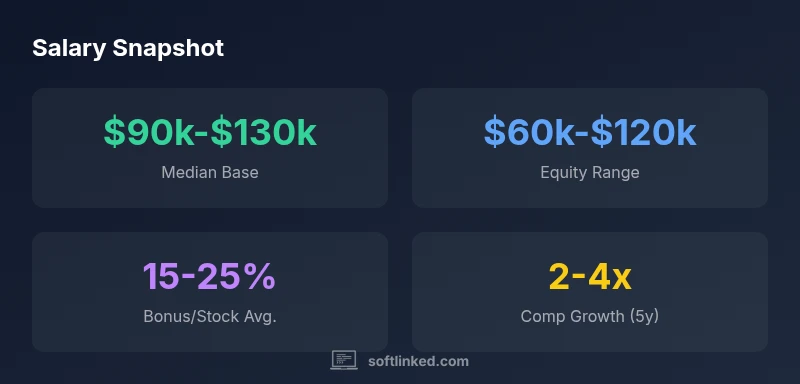
Software engineer salary is not a single number; it combines base pay, annual bonuses, equity, and sometimes signing or relocation incentives. In 2026, the field remains competitive, with demand for cloud, AI, and full-stack capabilities. When you hear an engineer asking for a higher package, they're not just negotiating a salary—they're negotiating a portfolio of value you bring to a team. According to SoftLinked, market data shows that base pay ranges shift with geographic location, company stage, and the complexity of the tech stack. For many professionals, the base salary forms the backbone of compensation, while equity and bonuses can significantly alter the total earnings over a 3–5 year window.
In practice, you should think of salary as two streams: the guaranteed cash you receive every year, and the variable or equity that rewards longer-term performance. This distinction matters when comparing offers from startups versus established players. Startups may offer lower base salaries but higher equity upside, while large tech firms often provide higher base pay plus more predictable bonus structures. When evaluating an offer, document both components and translate future potential into present value using a reasonable discount rate. Also consider benefits like health insurance, retirement contributions, learning stipends, and paid time off. All told, a competitive package should reflect your market value, your location, and your unique skills. The SoftLinked team emphasizes looking beyond headline numbers to understand how much real value you can deliver over the next few years.
Key Factors Driving Pay
Salary levels are driven by a mix of location, specialization, company profile, and market demand. Geographic regions with higher living costs tend to offer higher base salaries but also demand more expensive living. Skill demand—especially in AI, cloud architecture, data engineering, and security—adds premium to compensation. Experience matters, with senior engineers commanding leadership roles, ownership of critical systems, and mentorship responsibilities. Education and credentials can help, but tangible impact—successful projects, revenue impact, and measurable outcomes—often trumps formal qualifications. Finally, company size and stage matter: startups may tilt toward equity upside, while established firms lean on structured compensation and better benefits. SoftLinked analysis shows that equity value is highly contingent on the company’s trajectory and vesting schedules, so candidates should run multiple scenarios when evaluating offers. Benchmarking across similar roles and tech stacks helps avoid under- or over-valuing opportunities.
Salary by Experience Level
Entry-level software engineers typically focus on learning systems, fixing bugs, and delivering features under guidance. Mid-level engineers take ownership of modules, introduce architecture improvements, and begin influencing product strategy. Senior engineers lead design decisions, mentor teammates, and drive critical performance improvements. Staff or principal roles emphasize technical leadership and broad impact across teams. Across all levels, compensation grows with demonstrated impact, breadth of responsibilities, and the ability to mentor others. It’s common to see a steep early increase as you move from junior to mid-level, followed by more gradual growth at higher levels as specialized expertise compounds. Use a value-based lens when negotiating—show how your unique contributions will move the business needle.
Regional Variance and Cost of Living
Regional variance is one of the largest levers in software engineer salary. Metro areas with high living costs can push base salaries upward, while rural or less expensive regions may offer lower base pay but a comparable or better overall cost of living after considering housing, taxes, and benefits. Remote-work arrangements have started to flatten some of these gaps, but many employers still calibrate pay to location, team proximity, and market competition. In practice, compare offers using a cost-of-living calculator and adjust expectations for tax and benefits differences. SoftLinked analysis indicates that cost-of-living adjustments and relocation packages often make the difference between an offer that feels fair and one that leaves you financially strained.
Beyond Base Salary: Total Compensation and Benefits
Total compensation packages include base salary, annual bonuses, equity, signing bonuses, relocation stipends, and ongoing learning budgets. Retirement contributions, health insurance, and paid time off contribute to long-term financial well-being. Some employers provide student loan repayment programs, wellness stipends, or education assistance. For many engineers, equity can be a meaningful part of total compensation, but its value is highly dependent on company performance and stock vesting schedules. When evaluating offers, translate equity into present value by modeling multiple stock price scenarios and dilution effects. A strong package aligns base salary with a clear equity story and robust benefits that reduce personal risk while increasing long-term wealth potential.
Strategies to Increase Your Software Engineer Salary
To raise your salary, blend skill depth with strategic career moves. Elevate in-demand capabilities (AI/machine learning, cloud-native architectures, security, data engineering), and document quantifiable impact (revenue growth, cost reductions, performance gains). Build a portfolio of measurable contributions, contribute to reputable open-source projects, and pursue certificates or advanced degrees where appropriate. Seek roles with broader scope—systems design, architecture, or platform ownership—since these positions tend to reward higher compensation. When negotiating, come prepared with market benchmarks, your track record, and a proposed salary range tied to real outcomes. Finally, consider total compensation beyond salary—stock, bonuses, and growth opportunities can materially affect long-term earnings.
Case Studies: Real-World Scenarios
Scenario A: A mid-level software engineer in a major tech hub switches to a high-growth startup offering a modest base with substantial equity upside. If the startup achieves an IPO or strong growth, total compensation can exceed the larger base offer from a mature company, though risk is higher. Scenario B: A software engineer specializing in cloud security negotiates for a role that combines security with software development. By demonstrating the reduced risk and potential for avoiding costly breaches, they secure a salary premium and a structured equity plan. Scenario C: An engineer who bridges data science with software engineering negotiates a hybrid role. They secure a higher base and a data-driven bonus plan tied to product adoption metrics. These narratives illustrate how strategic moves, not just tenure, move salary trajectories.
Takeaways for 2026 and Beyond
- Base salary is essential, but total compensation often drives long-term value.
- Location, specialization, and company stage shape pay more than tenure alone.
- Equity is powerful but requires careful modeling and risk awareness.
- Prepare a data-driven case for value when negotiating with hiring managers.
- Remote roles can broaden opportunities but may come with regional pay nuances.
Illustrative base salary ranges by experience level (USD, US market)
| Experience Level | Typical Base Salary (USD) | Notes |
|---|---|---|
| Entry (0-2 yrs) | $70k-$100k | US market baseline |
| Mid (2-5 yrs) | $100k-$140k | Growing responsibility |
| Senior (5-10 yrs) | $120k-$170k | Leadership impact |
| Lead/Staff (10+ yrs) | $150k-$210k | Technical ownership |
Your Questions Answered
What is the typical starting salary for a software engineer in 2026?
Entry-level base pay varies by region; typical US entry range is roughly $70k-$100k. Consider cost of living, benefits, and potential equity when comparing offers.
Entry-level base pay often falls between seventy and one hundred thousand dollars in the US, with benefits and equity impacting total value.
How does location affect software engineer salary?
Salaries generally rise in metro tech hubs to offset higher costs of living, while remote arrangements can widen or narrow gaps depending on employer policy and market demand.
Salaries vary a lot by location; tech hubs pay more, and remote roles can level the field in some companies.
What is the difference between base salary and total compensation?
Base salary is the fixed annual pay. Total compensation includes bonuses, equity, signing or relocation incentives, and benefits, which can substantially affect overall earnings.
Base pay plus bonuses and stock can be a big part of what you earn overall.
Do remote engineers earn less than onsite peers?
Not universally. Some employers calibrate pay by location, while others offer parity based on skill and market demand. Always compare total package and growth opportunities.
Remote roles can pay similarly, but it varies by company and market.
How can I negotiate a higher salary?
Arm yourself with market benchmarks, quantify your impact, and propose a salary range tied to clear business outcomes. Consider total comp, not just base pay.
Know your worth with market data and show how you’ll add value.
“The strongest salary growth comes from aligning your technical depth with tangible business impact, not merely increasing tenure.”
Top Takeaways
- Know the base range for your level
- Consider total compensation packages
- Negotiate with market data and clear impact
- Remote work expands opportunities, but watch regional pay
- Track regional trends to plan your career moves