How to Application for College: A Step-by-Step Guide
A practical, student-friendly guide to applying for college, covering goals, timelines, essays, recommendations, financial aid basics, and submission best practices.


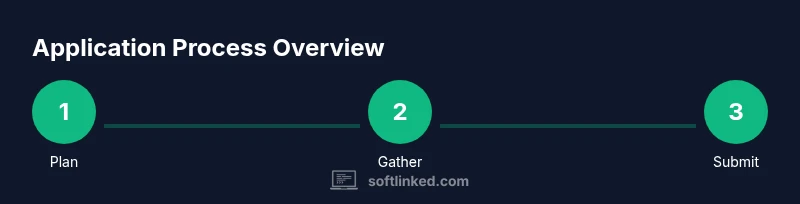
You will learn to plan, gather, and submit a complete college application package. The process focuses on goal setting, document collection, essay writing, and timely submission. You’ll need a clear timeline, access to your portals, and a plan to coordinate recommendations and transcripts. This guide uses a practical, step-by-step approach suitable for beginners.
Understanding the College Application Landscape
The college application journey can feel daunting, but breaking it into clear phases makes it manageable. If you’re wondering how to application for college, you’ll benefit from a structured approach that aligns your goals with the admissions landscape. According to SoftLinked, successful applicants treat the process as a project with milestones, not a single deadline. Start by mapping your aspirations, evaluating your target schools, and identifying the core components every application requires. This middle-sized guide will show you how to translate your ambitions into concrete actions, including timelines, documents, and a compelling personal narrative. By understanding the landscape, you’ll reduce stress, improve your organization, and increase your chances of admission. The SoftLinked team emphasizes that clarity and consistency matter as much as strong essays and test scores. With the right framework, you’ll navigate deadlines, gather materials, and submit thoughtful applications that reflect who you are and what you want to contribute to a campus community.
In this context, think of the application as a portfolio of you—your interests, strengths, and readiness to contribute to a college’s community. The exact requirements vary by school, but most institutions share common elements: a personal statement or essays, transcripts, letters of recommendation, and standardized test considerations (where applicable). You’ll also manage timelines, deadlines, and optional materials with the same care you bring to a semester project. This foundation helps you avoid last-minute scrambling and creates room for reflection and revision.
Goal Alignment and School Fit
To succeed in the college application process, you must align personal goals with school programs. Start by outlining your intended major, desired campus size, geographic preferences, and available scholarships. Then compare schools on program strength, faculty expertise, campus culture, internship access, and graduate outcomes. By defining what 'fit' looks like for you, you can craft narratives that show why specific programs suit your ambitions. This alignment also informs your decision about which prompts to invest in and how to tailor your essays to each institution. Remember, authenticity beats generic aspiration; admissions teams want students who demonstrate genuine enthusiasm and a clear plan for growth.
Timeline and Milestones That Drive Confidence
A well-structured timeline reduces anxiety and increases your odds of a polished submission. Create a calendar that marks milestones such as research deadlines, essay drafts, teacher outreach for recommendations, transcript requests, test dates (if applicable), and final submission windows. Set internal deadlines at least one week before official ones to allow time for review and unexpected delays. SoftLinked’s approach emphasizes pacing: early preparation yields higher-quality applications and less stress during peak periods. Use reminders, track progress in a simple checklist, and share your plan with a trusted mentor or family member to stay accountable.
Documents That Form Your Core Package
Most applications require: a transcript, a resume or activities list, letters of recommendation, and essays. Start by gathering your academic records, including unofficial copies if official transcripts will take time to issue. Compile a concise activities list that captures leadership roles, community service, internships, and relevant projects. If your school uses an online portal, create or verify your account early and confirm access to upload documents and track status. Organize digital copies in a cloud folder named after your name and birth year to simplify sharing with counselors or mentors. Prepare any financial aid information, such as FAFSA-related documents, early scholarships, or institutional forms requested by colleges to showcase your preparedness.
Crafting Essays: Personal Statements and Prompts
Essays are your opportunity to tell your story beyond grades and test scores. Read each prompt carefully, and map your experiences to the prompt’s core themes. Structure your essays with a clear introduction, a focused body, and a reflective conclusion. Use concrete examples and specific moments to illustrate growth, resilience, and goals. Draft broadly, then tailor your final versions to emphasize why you are a strong fit for each program. Seek feedback from teachers, mentors, or writing centers, and revise for clarity, voice, and coherence. Remember to preserve your authentic voice while ensuring tone and content align with institutional values.
Letters of Recommendation, Transcripts, and Supplements
Request letters from teachers or supervisors who know you well and can speak to your strengths, character, and contributions. Provide your recommenders with a short resume and specific prompts to guide their letters. Follow up politely and give ample time—ideally 4–6 weeks before deadlines. Ensure transcripts are accurate and up-to-date; some schools require counselor verification. If you have supplements or additional materials (like a portfolio or research summary), prepare them in the same folder as your other documents to streamline submission. Finally, confirm that each college’s portal shows all documents as received before the submission window closes.
Financial Aid Basics: Scholarships, FAFSA, and Costs
Understanding financial aid early can shape your college choices and reduce future debt. Begin by identifying institutional scholarships offered by your target schools and external scholarships that match your profile. If your country requires, research federal or state aid options and understand eligibility criteria. Complete financial aid applications as early as possible and within each school’s deadlines. Keep detailed notes of required documents, deadlines, and contact information for the financial aid office. Even if you’re unsure about affordability, submit aid forms to maximize opportunities and potential cost reductions. Your college’s financial aid counselors can guide you through the process.
Submission, Review, and Next Steps
As deadlines approach, double-check that every field is complete, prompts are answered fully, and all supporting materials are in place. Review your essays for clarity and tone, verify spelling and contact details, and ensure that the correct college codes are used where required. After submitting, monitor each portal for receipt confirmations and communicate promptly if any document is missing. Prepare for potential interviews by reviewing your application and articulating your goals and fit. Finally, develop a plan for the next cycle—whether you plan to reapply, transfer decisions, or explore alternatives—so you stay proactive rather than reactive.
This section emphasizes that successful applications combine thoughtful content with reliable logistics. Staying organized lessens stress and helps you present your strongest self to admissions committees.
Authoritative Resources and Next Steps
For further guidance, consult official sources and reputable educational organizations. Key resources include federal and state education sites, college admissions portals, and student aid information centers. Use these references to validate your understanding and to inform your own planning. This final block also reiterates the importance of maintaining an organized approach, keeping your materials updated, and continuing to build a compelling narrative for your applications.
References and Additional Guidance
- Official guidance on college admissions policies and timelines: https://www.ed.gov
- College admissions and financial aid information: https://www.studentaid.gov
- College board resources for planning and preparation: https://www.collegeboard.org
Tools & Materials
- Laptop or tablet with reliable internet(Essential for researching schools, drafting essays, and submitting applications)
- Email account dedicated to applications(Use this for all communications and portal registrations)
- Cloud storage (Google Drive/OneDrive)(Store transcripts, resumes, portfolio pieces, and drafts)
- Printer/Scanner (optional but helpful)(For keeping hard copies and easy sharing of documents)
- Resume or activities list(Summarize leadership roles, projects, and awards)
- Access to target college portals(Create accounts early and verify access)
Steps
Estimated time: 6-12 weeks
- 1
Define goals and target schools
Clarify your intended major, campus environment, and career goals. Create a ranked list of reach, match, and safety schools based on program strength and fit. This sets the direction for prompts, essays, and deadlines.
Tip: Document 3 concrete reasons you’d thrive at each school to guide tailored prompts. - 2
Create a realistic timeline
Map out research, drafting, and submission windows at least 6–12 weeks before deadlines. Include reminders for recommendations, transcripts, and portal verification. Build in buffer time for revisions and contingencies.
Tip: Set internal deadlines one week ahead of official dates to accommodate unexpected delays. - 3
Gather documents
Collect transcripts, standardized test scores (if required), resumes, and activity lists. Ensure accuracy and obtain unofficial copies for drafts. Organize files by college and document type.
Tip: Create a master folder with clearly labeled subfolders for each school. - 4
Draft personal statements and essays
Outline prompts, brainstorm experiences, and draft a strong narrative. Emphasize growth, resilience, and fit with your target programs. Seek feedback from mentors and refine for clarity and voice.
Tip: Keep a single core message per essay and tie it to each school’s values. - 5
Request letters of recommendation
Ask teachers or supervisors who know your strengths well and can comment on growth and impact. Provide a resume and prompt guidance, and give at least 4–6 weeks lead time for strong letters.
Tip: Offer a brief summary of your goals and notable projects to help recommenders tailor their letters. - 6
Complete applications and prompts
Fill out application forms with careful attention to accuracy. Answer prompts directly and tailor content to each college’s priorities. Review for consistency across the whole package.
Tip: Double-check school codes, program names, and notification preferences. - 7
Tackle financial aid materials
Identify scholarships, institutional aid, and FAFSA or equivalent forms as applicable. Prepare financial aid essays and required documents; keep deadlines visible and track submissions.
Tip: If unsure, submit aid forms early to maximize opportunities. - 8
Submit and confirm receipt
Submit all materials before deadlines and verify receipt confirmations in each portal. Plan for optional interviews and prepare talking points about your goals and fit.
Tip: Maintain a backup plan in case a portal shows missing documents after submission.
Your Questions Answered
When are typical college application deadlines?
Deadlines vary by college and program. Check each portal for exact dates and plan to submit well before the latest deadlines to avoid last-minute issues.
Deadlines vary by school, so always check each portal and aim to submit early.
Do I need to submit standardized test scores?
Requirements differ widely. Some schools are test-optional, while others require tests or superscores. Always verify the current policy for each college.
Test requirements vary; verify each college's current policy before submitting.
Can I reuse essays for multiple applications?
You can reuse a core narrative, but tailor prompts and school-specific details to demonstrate fit. Avoid using a single essay for all schools without customization.
You can reuse a core idea, but customize prompts to fit each school.
How early should I ask for letters of recommendation?
Ask teachers or mentors about 4–6 weeks before deadlines. Provide context and a resume to help them write strong, targeted letters.
Ask for recommendations 4–6 weeks ahead and share your goals and achievements.
What documents are typically required?
Common requirements include transcripts, letters of recommendation, personal statements, and a resume. Some colleges also request portfolios or supplemental essays.
Transcripts, recommendations, essays, and a resume are usually needed.
What should I do if I miss a deadline?
Contact the admissions office immediately to explain the situation and ask about late submission options. Some colleges may offer a grace period or alternatives.
If you miss a deadline, contact admissions right away to discuss options.
Watch Video
Top Takeaways
- Plan early to reduce stress and improve quality
- Tailor each application to the target program
- Gather and organize documents in advance
- Ask for strong recommendations with ample lead time
- Monitor submissions to confirm receipt