How to Apply for University: A Step-by-Step Guide
A comprehensive, student-friendly guide to applying for university. Learn research strategies, document preparation, essays, recommendations, timelines, and submission best practices to maximize your admission chances in 2026.


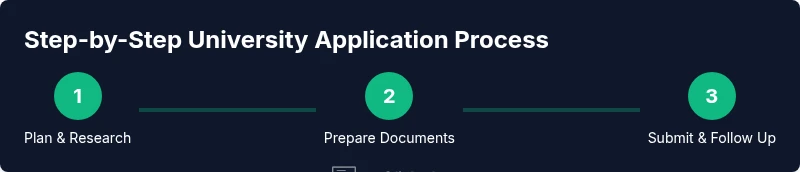
This guide shows you how to application for university with a clear, step-by-step process. You’ll learn how to research programs, collect documents, draft a compelling personal statement, secure recommendations, manage timelines, and submit applications confidently. By following these steps, you align your strengths with program requirements and reduce last-minute stress on your path to higher education.
Why universities care about applications
According to SoftLinked, universities evaluate applications on more than grades alone. They weigh academic readiness, alignment with program goals, and a student’s personal narrative. This holistic view means your essays, recommendations, and how you present your achievements matter as much as your GPA. If you want to succeed in the admissions process, you must craft a coherent story that connects your past experiences with the specific programs you apply to. For readers seeking how to application for university, the key is to build a narrative that demonstrates growth, purpose, and fit across all materials. By understanding these priorities, you can create a submission package that stands out for the right reasons and reflects genuine readiness for college-level work.
A practical plan begins with a broad goal, moves to targeted research, then builds a cohesive set of documents. This approach minimizes guesswork and helps you meet multiple deadlines across programs. SoftLinked’s approach emphasizes consistency, clarity, and careful tailoring rather than last-minute polishing. Keep a simple repository of versions for drafts and references to keep your story credible and consistent across applications.
Understanding the key components of an application
An effective university application is more than a single document. It typically includes an online form, a personal statement or essay, and possibly supplementary essays. You will also need official transcripts, standardized test results if required, letters of recommendation, a resume or activities list, and, in some cases, a portfolio or audition materials. Each component has its own requirements, word limits, and submission format. Start by listing the requirements for each program on your shortlist and identify commonalities to streamline preparation. This section covers essential elements, from the core narrative to the supporting documents, and explains how to present them in a cohesive package that admissions teams can verify quickly. As you build your dossier, consistency across the elements helps admissions see the full picture of your readiness and motivation.
Building your program shortlist: research and alignment
Your shortlist should reflect both your academic interests and practical considerations such as location, campus culture, and available resources. Begin with program pages, course catalogs, and faculty research areas to identify programs that match your interests. Map each program’s prerequisites, recommended courses, and any unique application components. Use this analysis to rank programs by fit, not just prestige. A strong fit improves your chances because it signals a genuine alignment with the university’s environment and opportunities. Keep notes on why each school appeals to you and reference those notes when tailoring essays and responses later in the process. This targeted approach also helps you understand what to emphasize in your statements and interview conversations.
Crafting a compelling personal statement
The personal statement is your chance to tell your unique story beyond transcripts and scores. Start with a clear thesis that links your motivation, experiences, and future goals to the programs you’re applying to. Use specific, concrete examples—projects, internships, courses, or challenges—that demonstrate growth and resilience. Avoid generic statements and instead discuss how particular classes or faculty align with your plans. Structure the essay with a strong opening, a body that develops your narrative with evidence, and a concise conclusion that ties your experiences to your future ambitions. Proofread carefully and seek feedback from mentors who can offer constructive criticism. If a program requests a supplement, tailor it with program-specific references to show you did your homework and understand what makes the institution unique.
Letters of recommendation: who to ask and how
Choose recommenders who know you well and can speak to your strengths relevant to your intended field. Provide them with a clear brief: your goals, key projects, and the outcomes you demonstrated. Give each recommender ample time—ideally several weeks—and offer to share your resume and a summary of your achievements to spark precise, supportive anecdotes. Maintain a polite, professional approach and confirm the exact submission method (portal, email, or mailed letter). Remember to request enough time for your recommenders to write thoughtful letters and to have backup options in case of scheduling conflicts. Strong letters complement your narrative by validating your claims with observed outcomes.
Transcripts, test scores, and other credentials
Official transcripts confirm your academic history and credibility. If you’ve taken more than one level of coursework, ensure all relevant transcripts are requested from each institution and that they reflect your latest grades. Standardized test scores are only required by some programs, so verify whether your target schools require them and what score ranges are expected. In cases where tests are optional, consider including a brief note explaining your readiness and coursework that demonstrates your competency. Gather any additional materials a school may require, such as a portfolio, audition, or writing samples, and organize them in a consistent, clearly labeled format. The goal is to provide verifiable evidence of your preparation that admissions teams can trust.
The resume/CV and extracurriculars that matter
A well-crafted resume or activities list highlights your academic achievements, leadership roles, research or work experiences, and community involvement. Focus on quantifiable outcomes where possible and tailor your entries to align with your program’s emphasis. Include a concise summary at the top that captures your research interests, goals, and what you bring to the table. For extracurriculars, emphasize leadership, teamwork, initiative, and sustained commitment. If you’re applying to programs that value portfolio work or demonstrations of creativity, include links or brief descriptions that direct reviewers to tangible examples. A strong resume complements your personal statement and recommended actions by offering a structured snapshot of your preparation.
Managing timelines and calendars
Admissions timelines vary by program and country, so create a centralized calendar from the outset. List each application deadline, document due dates, and notification timelines. Build a weekly plan that allocates time for drafting, editing, and obtaining letters, then adjust as deadlines approach. Set milestone reminders a few days before each due date to prevent last-minute rushes. A consistent, proactive schedule reduces stress and improves the quality of each submission. Use a single digital calendar or project-management tool to keep everything synchronized, and share key dates with mentors or family who can help keep you accountable.
Financial aid, scholarships, and application fees
Financial planning should start early in the process. Identify available scholarships, grants, and need-based aid and understand each program’s eligibility criteria. Complete required forms (such as FAFSA or equivalent) on time and gather any supporting documentation. Be mindful of application fees and consider fee waivers where available, especially if you’re applying to multiple institutions. Understand the cost of attendance and plan for living expenses, books, and transportation. When writing your essays, if relevant, address how you’ve managed financial constraints or demonstrated resourcefulness. This demonstrates preparation and responsibility, qualities that admissions committees value beyond academics.
The interview and campus visit experience
Interviews and campus visits offer a deeper look at your fit with a university and vice versa. Prepare by researching program strengths, faculty research, and campus resources. Practice concise, thoughtful responses to common questions about your goals, experiences, and why you chose that program. Prepare a few questions that show genuine curiosity and preparedness. During campus visits, observe class sizes, student organizations, housing, and facilities as you reflect on your alignment with your goals. If you’re remote, prepare a polished digital presence and be ready to discuss how you would contribute to the campus community.
Common mistakes and how to avoid them
Avoid generic language in essays and failure to tailor responses to each program. Submitting incomplete applications or missing transcripts creates unnecessary delays. Waiting until the last minute to request recommendations or to finalize documents often results in sloppy proofreading or missing deadlines. Inadequate proofing, weak storytelling, and inconsistent formatting can undermine a strong profile. To prevent these issues, implement a structured process with checklists, draft reviews, and version control. In short, deliberate planning and careful execution beat speed alone.
Submitting, tracking, and following up
Submit all components well before deadlines when possible and verify receipt confirmations. Keep a record of submission IDs or portal statuses for each program. If you haven’t heard back after a reasonable period, follow up politely with admissions offices or your referees. Prepare for potential interviews or additional steps as part of the process. After submission, reflect on lessons learned to inform future applications and improve your approach for next cycle.
Tools & Materials
- Computer or tablet with internet access(For program research, drafting, and online submissions)
- Email account(Primary channel for notifications and document submissions)
- Official transcripts(Requested from each previous institution; check processing times)
- Letters of recommendation(Request early from teachers or mentors; provide deadlines)
- Personal statement draft(A complete draft that can be revised after feedback)
- Resume or activities list(Summarize achievements, roles, and impact)
- Test scores (if required)(Only include if programs require them)
- Portfolio or writing samples (if required)(Provide links or artifacts for relevant programs)
- Timeline/calendar(A dedicated planner to track deadlines and milestones)
Steps
Estimated time: 3-6 months
- 1
Define your goals
Clarify your intended major or field, preferred campus settings, and career objectives. Write a short list of 3–5 qualities you want in a program and how they align with your experiences.
Tip: Start with a rough list and refine it as you research programs. - 2
Research programs and requirements
Create a target list of programs, noting mandatory prerequisites, recommended coursework, and application components. Save links to each program’s admissions page for quick reference.
Tip: Use official program pages to avoid outdated requirements. - 3
Gather required documents
Request transcripts early, assemble your resume, and prepare any portfolios or writing samples. Confirm deadlines and delivery methods with each institution.
Tip: Order transcripts early and monitor their delivery status. - 4
Draft your personal statement
Write a focused narrative that connects your background to your future goals and program fit. Use concrete examples and reflect on challenges you’ve overcome.
Tip: Seek feedback from mentors and revise at least twice. - 5
Request letters of recommendation
Ask potential recommenders well in advance and provide them with a summary of your achievements and the programs’ expectations.
Tip: Supply a one-page brief and a sample outline to guide their writing. - 6
Refine your resume and activities
Highlight leadership, impact, and relevant experiences. Tailor the resume to emphasize contributions related to your field of study.
Tip: Keep formatting clean and scannable; use action verbs. - 7
Organize a calendar and milestones
Create a shared calendar with all deadlines, document submissions, and contact dates. Set reminders a week and a few days before due dates.
Tip: Color-code by program to avoid confusion. - 8
Prepare for interviews or auditions
Practice concise, authentic answers about your goals, experiences, and fit. Prepare thoughtful questions for interviewers.
Tip: Record practice responses to improve clarity and pacing. - 9
Review and revise all materials
Proofread essays and check consistency across documents. Ensure your narrative is coherent and free of errors.
Tip: Have a fresh set of eyes review your materials. - 10
Submit applications
Double-check submission confirmations and ensure all required documents are attached. Keep copies for your records.
Tip: Submit early when possible to avoid last-minute issues. - 11
Track and follow up
Monitor status updates from each program and follow up politely if you don’t receive confirmations or decisions on time.
Tip: Maintain a log of submission IDs and dates. - 12
Reflect and plan next steps
After submissions, review what worked well and what could be improved for future cycles. Prepare for optional continued applications or scholarship processes.
Tip: Treat the cycle as a learning experience for ongoing growth.
Your Questions Answered
What is the first step to apply to university?
The first step is to define your goals and gather information about programs that align with your interests. Clarify major options, campus style, and potential career paths to guide your research.
Begin by clarifying your goals and identifying programs that match your interests, then gather relevant information to guide your research.
Do all universities require standardized tests?
Many programs no longer require standardized tests, but some still do. Always check each program’s admissions page to confirm whether tests are required and what score ranges they consider competitive.
Check each program’s page to confirm if tests are required and what scores are typical.
How early should I request letters of recommendation?
Request recommendations at least 4–6 weeks before the deadline to give referees time to write thoughtful letters and to manage any delays.
Ask for letters 4 to 6 weeks before the deadline to ensure thoughtful, timely submissions.
What should be included in a personal statement?
A personal statement should highlight your goals, relevant experiences, and how they connect to the program. Use specific examples and avoid generic statements.
Explain your goals with specific examples and show how the program fits you and your future plans.
How can I track my application submissions?
Keep a centralized log of each application, deadline, and submission status. Use the program portal or a spreadsheet to monitor confirmations.
Maintain a simple log of every submission and its status so nothing slips through the cracks.
Watch Video
Top Takeaways
- Identify goals and fit before applying
- Prepare documents early and verify requirements
- Tailor essays and materials for each program
- Maintain a structured timeline to avoid delays
- Follow up respectfully after submissions