How Do Software Developers Make Money in 2026
Explore how do software developers make money in 2026: salaries, freelancing, equity, products, teaching, and more. Practical steps, strategies, and examples from SoftLinked.


Definition: how do software developers make money? Software developers monetize their skills primarily through steady salaries at tech companies or startups, plus optional income streams like freelancing, consulting, equity in ventures, building and selling software products, and teaching. The most reliable path combines full-time employment with strategic side projects and ongoing skill development to diversify revenue over time.
What earns money for software developers and the big idea behind monetization
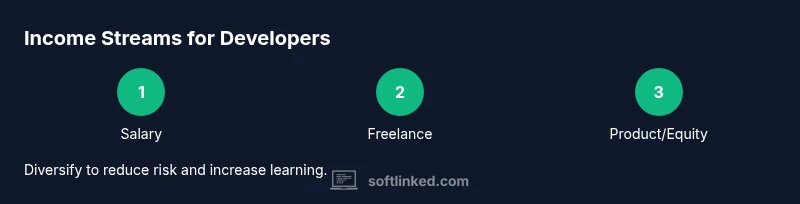
According to SoftLinked, the core idea behind money for developers is to combine reliable salary income with scalable side ventures. The question how do software developers make money is not a single answer; it’s a framework that blends employment, project work, and asset creation. In practice, most developers earn money through three broad channels: employment income, project-based work, and revenue from ownership or distribution of software. The stronger the portfolio and the clearer the value proposition, the more leverage a developer has in negotiations and product launches. This article explains the main revenue streams, how they interrelate, and practical steps to start diversifying thoughtfully.
Primary revenue streams and how they map to your career
Most software developers grow their income by combining salary with additional revenue streams. Employment provides stability and benefits, while freelancing, contracting, or consulting can top up earnings. Equity or product revenue comes from owning a stake in a startup or selling a standalone product. Teaching, mentoring, and content creation offer recurring or semi-regular income. The common thread is to align work with in-demand skills, maintain high-quality portfolios, and continuously learn new technologies to keep demand high.
The tempo of monetization: lifestyle, markets, and risk
Money in software is rarely linear. A thoughtful monetization strategy balances steady employment with opportunities to scale. Markets vary by region and industry, so it’s essential to identify which streams best fit your goals, whether you’re a student just starting out or a seasoned engineer. Start with reliable income, then add side projects that complement your core strengths to reduce risk and maximize learning.
Practical product ideas that generate income
Product-based income doesn’t always require building a global platform. Many developers monetize by creating niche tools, libraries, or SaaS products that solve a specific problem. Start with a small, solvable MVP, gather user feedback, and iterate. Licensing, subscriptions, or one-time purchases are common monetization models; choose one that aligns with your target audience and ongoing support commitments. A well-documented API or SDK can also drive adoption and long-term revenue.
Open source, sponsorships, and community-based income
Contributing to open source can raise visibility and attract sponsorships or paid support engagements. Community recognition often translates into consulting gigs, speaking engagements, or paid courses. Sponsorships, grants, or paid maintenance for popular projects provide a non-traditional but legitimate revenue stream. Treat open source as a way to demonstrate impact, not just charity; ensure you have a plan for sustaining work and communicating value to potential sponsors.
Education and content as a growth engine
Teaching and content creation—courses, tutorials, live coding sessions, or books—can compound over time. Start with bite-size tutorials or micro-courses, then expand to comprehensive programs. A clear value proposition, structured learning outcomes, and ongoing updates improve retention and referrals. This channel often feeds into other streams by showcasing expertise and attracting higher-paying opportunities.
Equity and startup dynamics: risks and rewards
Equity in startups offers the potential for outsized returns but comes with risk. If you join early, you may gain stock options or RSUs that vest over time. The key is to evaluate the company’s trajectory, your role, and how your work contributes to growth. Diversifying between salary, product revenue, and potential equity can provide a balanced path toward long-term financial goals.
A practical path to start today: a simple plan
If you’re starting from scratch, focus on three steps: build a strong portfolio that demonstrates impact, set up reliable income streams (salary plus small freelance gigs), and learn a marketable skill stack. Track time and outcomes, reinvest profits into portfolio projects, and gradually expand your income mix as confidence and demand grow.
Tools & Materials
- Reliable computer(Modern laptop or desktop with stable internet)
- Portfolio website(Showcase projects, case studies, and results)
- Git and code hosting(GitHub or GitLab account; public repositories)
- Invoicing and accounting software(Track earnings, expenses, and taxes)
- Freelance platform profiles(Upwork, Toptal, or Fiverr profiles (optional))
- Contracts and legal basics(Templates, NDAs, and basic agreements)
Steps
Estimated time: 6-12 months (ongoing)
- 1
Define your money goals
Clarify annual earnings targets and preferred revenue streams. This anchors your decisions about what to learn, which projects to pursue, and how to allocate time.
Tip: Write your goals down and review quarterly. - 2
Identify in-demand skills
Survey job postings and freelance briefs to identify skills with high demand. Focus on a core stack that aligns with the streams you want to pursue.
Tip: Pinpoint 2-3 technologies to master first. - 3
Build a portfolio that demonstrates impact
Curate projects that show measurable outcomes. Include metrics like performance gains, user numbers, or revenue impact where possible.
Tip: Highlight your most relevant projects for each revenue stream. - 4
Set up reliable income channels
Establish salary with a primary employer, plus at least one side-income stream (freelance, teaching, or product). Ensure time management and boundaries are clear.
Tip: Use time-tracking to prevent scope creep. - 5
Start with small, repeatable engagements
Take on modest freelance tasks to build credibility and cash flow without overcommitting. Prioritize quality and communication.
Tip: Choose projects that fit your schedule and learning goals. - 6
Invest in a product or service with scale
Create a product or service that solves a recurring problem. Start with a minimum viable product and iterate based on feedback.
Tip: Launch with a clear value proposition and onboarding. - 7
Learn about equity and contracts
If pursuing startup opportunities, understand stock options, vesting, and contract terms to protect your interests.
Tip: Consult a mentor or legal advisor for key terms. - 8
Review and adapt your plan
Regularly assess earnings from each stream, adjust pricing, and reallocate effort toward the most profitable channels.
Tip: Schedule monthly reviews and adjust accordingly.
Your Questions Answered
What is the most reliable way to make money as a software developer?
A steady salary provides income stability, while side projects add growth. Pair a core job with freelancing, teaching, or product work to build multiple streams over time.
A steady salary with complementary side gigs is the most reliable path, especially as you grow your skills.
Can open source contribute to income?
Open source can attract sponsorships, paid support, or consulting opportunities. It’s typically a supplementary channel that boosts visibility and credibility.
Yes, sponsorships and services around open source can provide meaningful income.
Is freelancing suitable for beginners?
Freelancing can work for beginners if you start with small, well-defined tasks and gradually increase scope. Manage time and taxes carefully.
It can work, start small and learn the business side gradually.
How long does it take to increase earnings?
Earnings grow as you develop in-demand skills, assemble a strong portfolio, and expand networks. Results vary by market and effort invested.
It depends on your skills and network, but steady progress compounds over time.
Should students monetize while learning?
Yes, students can monetize by tutoring, small freelancing tasks, internships, or course creation. It builds experience and resilience.
Students can start with tiny gigs while learning to gain real-world practice.
What skills influence earning potential most?
In-demand programming languages, cloud platforms, data skills, and system design increase earning potential. Keeping skills current is essential.
Skills that solve real problems and scale with users pay off the most.
Watch Video
Top Takeaways
- Diversify income to reduce risk
- Build verifiable portfolio evidence
- Balance steady salary with scalable side ventures
- Equity can amplify earnings but carries risk
- Teaching and content create complementary revenue