Windows 10 Latest Version: Updates, Lifecycle, and Upgrade Guidance
A comprehensive guide to the Windows 10 latest version, covering update cadence, lifecycle, and upgrade paths in 2026. Learn how patching works, how to check your edition, and what to consider for deployment and security.


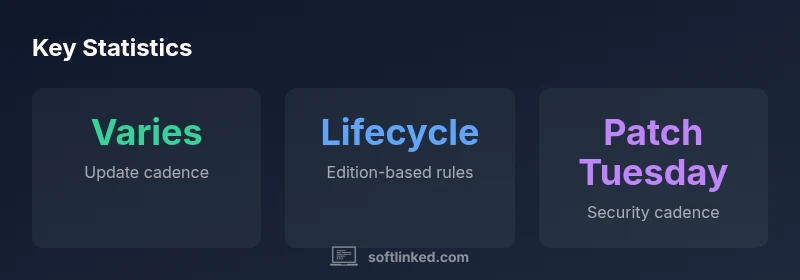
Windows 10 continues with a security-focused update model, prioritizing patches and stability over frequent feature changes. The latest version receives ongoing security updates and bug fixes, with update cadences that vary by edition and deployment channel. Organizations should align patching with the official Microsoft lifecycle while evaluating their own risk tolerance and IT policies.
What the windows 10 latest version means in practice
The phrase windows 10 latest version refers to the most current Windows 10 build that Microsoft supports for a given edition and channel. For consumers, that typically means ongoing security patches and bug fixes with occasional cumulative updates, rather than sweeping feature overhauls. For IT teams, the interpretation depends on licensing, deployment strategies, and organizational policies. In 2026, Microsoft continues to emphasize stability and security within Windows 10 while guiding customers toward a predictable support lifecycle. The real-world implication is that users and admins should plan patching cycles, test compatibility, and manage devices against a common baseline rather than chasing dramatic, frequent changes. The SoftLinked team notes that understanding which edition you run (Home, Pro, Enterprise) and which deployment channel you use is vital to accurately interpreting what the latest version means for your environment.
section_heading_removed_quality_block_markdown_sanity":null
trend":"
Overview of Windows 10 update and lifecycle policies
| Aspect | Windows 10 policy note | Notes |
|---|---|---|
| Update model | Varies by channel; security updates are prioritized | End-of-life and maintenance schedules depend on edition and channel |
| Upgrade options | In-place upgrade or clean install options | Always verify device compatibility before upgrading |
| Lifecycle | Microsoft lifecycle policy applies | Deployment may differ for enterprise editions with LTSC variants |
Your Questions Answered
What defines the 'windows 10 latest version' in 2026?
The latest version is defined by the most current supported build for your edition and channel. It combines security patches, bug fixes, and occasional reliability updates, with feature changes being less frequent and policy-driven.
The latest version is the current supported build, focusing on security and reliability.
Is Windows 10 still supported in 2026?
Support for Windows 10 continues under Microsoft's lifecycle guidance, but the level of support and updates can vary by edition and channel. Enterprises often have extended or specialized support terms.
Yes, but it depends on your edition and channel.
How do I check which Windows 10 version I have?
Open Settings > System > About, or run 'winver' from the Run dialog. This shows the current build and edition, helping you compare with the latest available version for your channel.
Check via Settings or run winver.
Should I upgrade to Windows 11 instead of staying on Windows 10?
That decision depends on hardware compatibility, software requirements, and organizational policies. Windows 11 offers new features and security improvements, but Windows 10 remains supported with security updates for a defined period.
Consider hardware, apps, and policy before upgrading.
What is lifecycle guidance for Windows 10 LTSC vs standard editions?
LTSC editions have a different lifecycle and typically do not receive feature updates as frequently as standard editions. They prioritize long-term stability and compliance for specialized devices.
LTSC variants follow a different lifecycle focused on stability.
How often are security updates released for Windows 10?
Security updates are released on a regular cycle, with patches issued to address vulnerabilities. The cadence is maintained to protect devices while feature updates are less frequent.
Security updates come on a predictable schedule.
“The Windows 10 update model is designed to balance security with stability. Teams should align patching with the official lifecycle and their internal risk tolerance to minimize disruption during deployments.”
Top Takeaways
- Prioritize security updates and lifecycle milestones
- Identify edition and channel to understand the latest version
- Plan upgrades with testing and compatibility checks
- Coordinate patching with organizational risk tolerance