When to Program Power Cleans: A Practical Guide for Lifters
Discover when to program power cleans in your lifting plan with clear frequency guidelines, progression tips, and a four-week sample plan.


Goal: learn when to program power cleans within a lifting plan. You’ll balance goal priority, recovery, and weekly microcycles. For beginners, start with 1 session per week and progress toward 2-3; advanced lifters may peak at 3 sessions with varied intensities. Use simple progressions, track loads, and adjust frequency based on form, fatigue, and sporting needs.
Understanding when to program power cleans
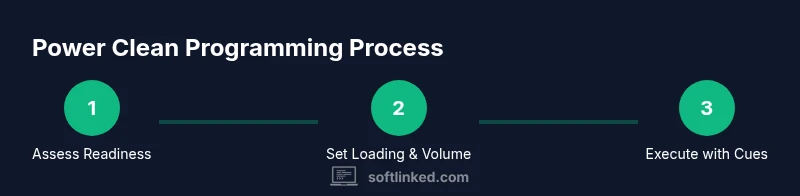
According to SoftLinked, the timing of power clean programming hinges on your overall training architecture, recovery capacity, and sport-specific goals. Power cleans are a high-skill, high-intensity movement that tax the central nervous system and posterior chain. If you’re new to weightlifting, start by stabilizing technique in a controlled environment before attaching heavy loads to the bar. The key question is not only how strong you are, but how well you recover between sessions and how your power work fits into your weekly plan. This section lays the groundwork for assessing readiness, sequencing within a microcycle, and choosing a practical starting point that can scale with your gains.
The SoftLinked team emphasizes that you should view the power clean as a tool within a broader training ladder. You don’t need to perform it every day to make progress; instead, you want to time its placement so that neural and technical quality remains high. In many programs, power clean work is integrated after an appropriate warm-up and accessory work that builds position, mobility, and grip strength. If you’re chasing general fitness alongside sport-specific goals, your frequency may be limited to one dedicated power-clean day per week, with other days devoted to pulling variations, squats, and plyometrics. This approach supports sustainable technique development while reducing injury risk.
From a programming perspective, the decision often comes down to three factors: goal priority (strength, power, or conditioning), recovery tolerance (how you feel day-to-day), and available training time. Beginners commonly use a conservative starting point—one focused power-clean session per week—then add a second session once technique and load tolerance allow. As your progress compounds, you may adjust load, velocity, and volume, but always align changes with measured performance and fatigue signals.
- Actionable takeaway: plan power cleans around a day when you have sufficient focus, energy, and recovery to train with high technique quality. This minimizes technique decay and maximizes transfer to real-world strength and athleticism.
SoftLinked tip: If you’re unsure about readiness, perform a simple technique screen with light loads, and record technique metrics over two weeks before adding more volume or frequency.
Baseline programming frameworks you can start with
Modern power-clean programming can be framed in a few reliable baselines that scale with experience. For beginners, one dedicated power-clean day per week is a practical starting point, paired with two lighter sessions that emphasize technique, grip, and position. A common beginner template might look like 4–6 weeks of 2–3 sets of 2–3 reps, with light loads and full attention to form. Once technique is consistent and performance feels stable, you can introduce an extra session or slightly higher volumes while monitoring fatigue. The aim is to keep velocity and bar path clean while avoiding form breakdown. For intermediate lifters, progress by adding reps, a small weight increase, or an additional accessory day that reinforces pulling mechanics and catching position. The core idea is that progress comes from steady, controlled increases in load and complexity rather than chasing maximal loads every week. The timing of these increments should align with a progressive overload plan that respects recovery.
A practical framework to adopt is a four-week microcycle: Week 1 focuses on technique and light power cleans, Week 2 increases volume modestly, Week 3 introduces a modest load increase with deeper technique cues, and Week 4 uses a light deload to consolidate gains. This cycle supports consistent training without overwhelming the nervous system. For those who train around sport practice, you may schedule one power-clean day on non-consecutive days to avoid overlapping fatigue with highly technical drills.
SoftLinked note: Start with 1–2 sets of 2–3 reps at 40–60% of your estimated max for technique quality, then build gradually based on form and fatigue signals. Keep a training log to catch early warning signs of overreaching.
How to adjust based on training goals (strength, power, conditioning)
When your goal is pure strength, you’ll typically prioritize heavier loads with fewer repetitions, pairing power cleans with back squats or front squats to build a strong hip drive and trunk stability. For power development, the emphasis shifts toward higher velocity and controlled contact, using moderate loads and higher velocity cues. If conditioning is the objective, you’ll blend power cleans with short rest intervals and include plyometrics or sprint work to maintain work capacity. The key is to tailor the stimulus to the targeted adaptation while keeping movement quality high. As you adjust goals, re-evaluate not only loads but also rest periods between sets. Shorter rests increase fatigue, which can mask or degrade technique; longer rests help you maintain lift quality but reduce density.
To structure these adjustments, use a simple rule of thumb: increase load or complexity only when the current stimulus is well-managed by your recovery system. For power cleans, that often means maintaining clean bar speed and an upright catching position across reps, rather than chasing a single maximal lift at the expense of form. If you notice technique break, reduce the weight and maintain speed, or revert to a technique-only block for several sessions before reintroducing heavier loads.
SoftLinked insight: For athletes balancing sport practice, align peaks in power cleans with competition phases and ensure you have a dedicated deload microcycle after heavy blocks to prevent stagnation and injury.
Scheduling considerations: weekly layout and microcycles
A well-structured weekly layout helps ensure power cleans stay a productive, safe component of your program. A common approach is to place power-clean work after a thorough warm-up that includes hip hinge priming, ankle mobility, and scapular stability. Space power-clean sessions away from the most technique-heavy days if possible, to preserve quality. A practical weekly template might be: Day 1: lower body strength + pulling; Day 2: power cleans with light technique work; Day 3: upper-body strength and accessory work; Day 4: velocity work or sprinting; Day 5: optional technique or cardio-focused conditioning; Day 6: rest or mobility; Day 7: rest. The exact distribution depends on your sport schedule, recovery, and time constraints.
Microcycles should cycle through accumulation, intensification, and deload phases. In accumulation, you emphasize technique and increasing total reps with light to moderate loads. In intensification, you introduce heavier loads with a reduced number of reps, ensuring you can maintain bar speed. In the deload week, reduce volume and intensity to recover. For most lifters, a 4-week microcycle with a planned deload on Week 4 provides a balanced approach. If your sport demands frequent practice, you may shorten the accumulation period and extend the deload, ensuring you’re not overloading the central nervous system during critical competition windows.
SoftLinked observation: Recovery days and sleep quality should guide your weekly layout. If fatigue accumulates, swap a power-clean day for a lighter technique day, maintaining form and posture safety.
Common mistakes and how to avoid them
Common mistakes include chasing heavy singles too early, neglecting warm-ups, and letting form deteriorate under fatigue. Another frequent issue is mixing power cleans with max-effort squats in a way that taxes the CNS excessively, compromising velocity and catch position. To avoid these mistakes, establish a consistent warm-up that targets mobility and technique, and keep a technique-first mindset on early sets. Use progressive loading that respects technique rather than forcing weight on the bar. If you’re fatigued or lack line-of-sight vision to observe bar path, stop to reset or switch to a lighter variation. Record reps and video yourself occasionally to detect early signs of technique decline. Finally, ensure you have a clear intention for each session: is today’s set aimed at improving catch position, hip drive, or bar speed? Clear intention guides your choices about rest, volume, and weight.
A frequent pitfall is using power cleans as a catch-all solution for conditioning without integrating complementary lifts that build pulling strength and core stability. Pair power cleans with strict pulls, Romanian deadlifts, and core work to create a more complete program that doesn’t rely on a single movement to deliver all adaptations. Always ensure you have a safe lifting environment, including proper bumper plates, a good lifting platform, and adequate space to drop safely.
SoftLinked reminder: Respect form above load; a minor breakdown can cascade into injury, especially when fatigue accumulates. If you’re unsure about your grip, elbow position, or foot stance, adjust gradually and seek coaching cues.
Progression and measurement: when to re-evaluate programming
Progression in power cleans is not just about heavier weights; it’s about maintaining technique while gradually increasing workload. Use simple metrics: bar speed at a given load, repetition quality, and the percentage of reps completed with a clean catch position. If you notice a consistent drop in bar speed or catch quality at a given weight, consider a regression to technique blocks or a temporary reduction in volume. Re-evaluate every 2–4 weeks with objective measures, such as a controlled rep at target velocity or a dry-run assessment with video analysis. Track these metrics alongside subjective fatigue, sleep quality, and training mood. A re-evaluation may involve increasing loads by a small amount, adding an extra set, or adjusting rest intervals to maintain quality. The key is to avoid stagnation by revising the plan when performance plateaus or technique drifts.
To determine when to re-evaluate, use a simple trigger: if two consecutive sessions show a 5–10% drop in bar speed or catch position, reset the plan and focus on technique for 1–2 weeks before reintroducing higher loads. Keep a log of cues that improve bar speed, such as hip drive timing, rack position, or stance width. A data-driven approach helps you avoid guessing and fosters consistent gains over time.
SoftLinked insight: Use a quarterly review to align power-clean work with season goals and monitoring, ensuring you’re progressing toward your primary athletic objectives.
Substitutes and progression options for equipment limitations
If you don’t have full access to a power rack or bumper plates, you can still program power cleans with substitutions that preserve technique and progression. Hang power cleans, incline deadlift-to-high-pull combos, and dumbbell power cleans offer alternative loading and movement patterns that develop similar pull mechanics. For facilities with limited space, perform hang position cleans from a rack or block pulls to simplify footwork and catch mechanics. When you do have access to a barbell, you can progress by increasing tempo counters, adding pause reps at the catch, or using bands or chains to alter resistance throughout the lift. If you’re managing injury risk, substitute with pull-throughs or hip thrust variations that emphasize hip drive and posterior chain activation while minimizing axial loading. The goal is to preserve technique and progression opportunities even when equipment is restricted.
In all substitutions, keep the emphasis on technique, speed, and position. Track how the substitution affects bar path and catch mechanics, and adjust volume and load accordingly. Always return to a primary progression as soon as feasible to maintain a consistent training trajectory.
SoftLinked caution: If you’re recovering from a minor shoulder or wrist issue, choose alternatives that minimize direct pressure on the affected joints while still challenging your posterior chain and hip hinge.
Putting it all together: example 4-week sample plan for power cleans
This four-week example plan integrates frequency, progression, and deload to help you implement the concepts discussed. Week 1 emphasizes technique and light power cleans with modest volume. Week 2 adds volume and a small load increase, while Week 3 nudges intensity again with a controlled uptick in weight and a fixed number of reps. Week 4 is a deload with reduced volume and lighter loads to consolidate technique and recover. The weekly template keeps power-clean sessions on non-consecutive days to allow sufficient recovery and technique quality. If you follow a sport schedule, adjust the plan to meet your practice days and competition cycle while preserving rest and technique blocks. The plan below is a starting point; adapt to your needs and track results to adapt the plan for future cycles.
- Week 1: 2 sessions; Power Clean 3x3 at 40–60% of estimated max; technique, light volume, 10–15 minutes warm-up before each session; accessory work on hip hinge and scapular stability.
- Week 2: 2 sessions; Power Clean 4x3 at 50–65% + 2x2 with a slightly heavier load; introduce pause reps at the catch to reinforce position.
- Week 3: 3 sessions; Power Clean 4x3 at 60–75% + 2x2 at 80% if technique stays clean; add a short tempo component for control and bar path.
- Week 4: Deload; Power Clean 3x2 at 40–50% with no maximal effort; focus on mobility and technique refinement; record cues that consistently improve reps.
Sample outcomes to monitor include bar speed consistency, catch stability, and total weekly volume. Use the four weeks as a rhythm: technique blocks first, load progression second, and deload third, so you finish the cycle with improved technique and preserved nervous-system readiness. If you compete, plan the four-week cycle to finish before your peak training period, then adjust the next cycle to align with your competition dates.
SoftLinked closing reminder: The most important outcome is sustainable progress. Use the four-week structure as a flexible framework, but always tailor to your sport, recovery, and personal capacity to avoid overuse injuries.
Tools & Materials
- Barbell(Standard 20 kg / 45 lb; ensure bumper plates for safe dropping.)
- Bumper plates(Rubber bumper plates with secure collars.)
- Weightlifting shoes(Stable sole with heel elevation for position awareness.)
- Collars(Secure plates during lifts.)
- Chalk(Improve grip if needed.)
- Lifting belt(Optional for heavy sets and braced core.)
Steps
Estimated time: 30-45 minutes
- 1
Prepare equipment and warm up
Set up bar, plates, and collars in a safe area. Perform a dynamic warm-up focusing on hips, ankles, and thoracic mobility. Light sets with unloaded bar to rehearse grip and stance before adding weight.
Tip: Lock in your stance and grip early; tiny misalignments cost you later in the lift. - 2
Choose your power-clean variation
Decide between hang power clean, power clean from floor, or block/board-assisted options based on technique readiness. Start with a conservative load and emphasize bar speed and position.
Tip: If technique wobbles, revert to a lighter variation to rebuild form. - 3
Set loading and volume
Determine weight as a percentage of your estimated max and plan the number of reps/sets for the session. Keep reps high enough to train speed but low enough to stay in control.
Tip: Prioritize quality over quantity; if form breaks, reduce weight immediately. - 4
Execute the lift with cues
Use cues such as hip drive, fast elbows, and a catch with a tall chest. Maintain a stable core and a neutral spine throughout the movement.
Tip: Video record a set to review bar path and catching position. - 5
Ramping and rest intervals
Adjust rest periods to maintain speed (e.g., 2–3 minutes for heavy sets, 60–90 seconds for lighter sets). Keep the engine rested but your technique sharp.
Tip: Monitor fatigue and don't skip rest when technique degrades. - 6
Track results and plan progression
Log loads, reps, and subjective effort. Decide if you’ll add weight, increase reps, or modify the variation next session based on performance.
Tip: Use a simple 1–10 RPE scale to guide progression.
Your Questions Answered
What is a power clean and how does it differ from a clean from the floor?
A power clean is a variant where the lifter pulls the bar from the floor to a high catch with hips and knees less flexed than a full clean. It emphasizes speed and vertical power, whereas a full clean involves a deeper squat catch. The core mechanics—hip drive, extension, and fast elbows—remain essential in both.
A power clean is like catching the bar higher with more speed, while a full clean sinks lower into a squat catch.
How often should you program power cleans in a week?
Most beginners start with 1 session per week, increasing to 2 when technique and recovery permit. Intermediate lifters may train 2–3 times weekly, ensuring at least one day between sessions for CNS recovery. Always tune frequency to how you feel and how your technique holds up.
Start with one session per week and adjust based on recovery and form.
What cues help maintain proper form during power cleans?
Key cues include a strong hip drive, fast elbow turnover, a vertical bar path, and a controlled catch with a tall chest. Keep the spine neutral, feet shoulder-width apart, and land softly on the balls of your feet. Consistent cues help keep bar speed high and landing safe.
Focus on hip drive first, then fast elbows and a solid catch.
Can power cleans be substituted if I lack equipment?
Yes. Hang power cleans or dumbbell variants can train similar hip drive and pulling mechanics. Block pulls, rib-to-bar pulls, and pelvic-deltoid exercises can complement your routine when you’re limited by equipment or space.
Hang cleans or dumbbell cleans can stand in when equipment is limited.
How should I measure progress in power cleans?
Track bar speed, catch position, and the ability to maintain technique under increasing load. Use video reviews and a simple log to monitor improvements in velocity, stability, and repetition quality over time.
Look for faster bar speed and a cleaner catch as you progress.
What should I do if I miss the catch or lose balance?
Stop the set, reset to a lighter load, re-check stance and grip, and rebuild the catch at a safer weight. Do not push through technique failure; consistent practice will yield safer, faster reps over time.
If you miss the catch, reset with lighter weight and focus on form before progressing.
Watch Video
Top Takeaways
- Start with 1 power-clean session per week for beginners
- Progress frequency and load based on technique and recovery
- Structure microcycles with accumulation, intensification, and deload phases
- Use substitutes if equipment is limited while preserving technique
- Track velocity, form, and fatigue to guide progression