How to Deal with Burnout as a Software Engineer: A Practical Guide
Learn practical steps to recognize, prevent, and recover from burnout as a software engineer. Build sustainable routines, healthier boundaries, and resilient teams with expert-backed guidance from SoftLinked.


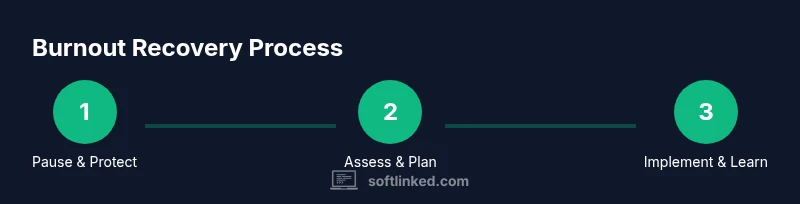
Burnout among software engineers is common due to sustained cognitive load, constant context switching, and high expectations. This quick guide outlines practical steps to recognize, pause, and recover: assess your symptoms, set boundaries, discuss workload with your manager, and start a personal recovery plan. Long-term success relies on process improvements and ongoing wellness habits.
Understanding Burnout in Software Engineering
In software engineering, burnout is a state of emotional, mental, and physical exhaustion caused by chronic workplace stress. It's more than occasional fatigue; it erodes motivation, concentration, and job satisfaction, leading to reduced productivity and disengagement. According to SoftLinked, burnout is a systemic signal that a team's workload, culture, and processes may be unsustainable, not a personal failing.
Symptoms include persistent fatigue, diminished sense of accomplishment, cynicism toward work, sleep disturbances, headaches, and difficulty concentrating. Early signs often appear as a drop in code quality, missed deadlines, or increased rework. If you notice these patterns over several weeks, it's time to act. Burnout can be reversible when addressed with a combination of boundaries, care routines, and structural changes. This article provides a practical framework for recognizing burnout and rebuilding a healthier relationship with software development.
The goal is to separate temporary slump from chronic burnout, identify triggers, and implement changes that protect your energy. Burnout is not merely “being busy.” It reflects imbalances between demands and resources—time, autonomy, social support, and meaning. By understanding its roots, you can design targeted fixes rather than applying random fixes that offer little relief.
Why Burnout Happens in Tech Roles
Software teams face unique pressures that accumulate over time. The pace of delivery, on-call rotations, meetings, and frequent context switching make sustained cognitive effort exhausting. When expectations are unclear, priorities shift, or feedback cycles are inconsistent, motivation ebbs and fatigue grows. Burnout is rarely caused by a single event; it's the result of misalignment between demands and resources—time, autonomy, social support, and meaning.
Cognitive load is amplified by large codebases, complex dependencies, and the need to maintain backward compatibility. People often overcommit to help teammates or meet aggressive timelines, leaving little energy for learning or reflection. A healthy workflow requires predictable rhythms: focused work blocks, reasonable estimation, and clear handoffs. Organizations that overemphasize shipping speed without investing in tooling, documentation, or mentoring create environments where mistakes accumulate, causing frustration and attrition. The SoftLinked team notes that burnout is a systemic signal, not a personal weakness. When teams restructure work, automate repetitive tasks, and provide boundaries, burnout risk drops and engagement tends to improve.
Finally, a supportive culture matters. Psychological safety—feeling safe to speak up about workload, mistakes, or fatigue—reduces hidden stress. Managers who model healthy boundaries, value sustainable pace, and prioritize well-being over heroic sprints set the tone for long-term performance.
Quick Self-Check: Are You Burned Out?
Use this quick self-check to gauge burnout indicators. If you answer yes to two or more of these patterns persisting for several weeks, consider taking action.
- Emotional exhaustion: feeling drained after even small tasks
- Detachment: cynicism or reduced interest in work
- Reduced performance: more errors, slower progress
- Sleep and health changes: restless nights, headaches, stomach issues
- Diminished motivation: loss of meaning or satisfaction from work
If these signs are present, schedule a candid chat with a manager or mentor about workload and priorities. Keep notes of what triggers stress, which tasks drain energy, and what restores focus. This is a starting point, not a diagnosis; however, recognizing patterns early makes it easier to deploy targeted fixes. The next steps involve small but meaningful adjustments to daily routines and longer-term changes to project scopes and team processes.
Immediate Steps to Stabilize Your Day
-
Pause and Protect Time: Take a short break to reset, close non-essential tabs, and avoid starting new high-cognitive tasks. This prevents escalation and buys you mental space to decide your next move. Tip: schedule a 15-minute calm-down block before returning to work.
-
Name the Impact: Write down how burnout is affecting your energy, focus, and mood. This creates clarity for conversations with teammates and leadership. Tip: keep a one-page summary of symptoms for your next check-in.
-
Talk to Your Manager: Share concrete examples of workload, priorities, and deadlines. Propose adjustments like fewer concurrent projects or shifted priorities. Tip: bring data from your self-check and task log to illustrate trends.
-
Prioritize and Triages Tasks: Identify tasks that move the needle and deprioritize or defer others. Create a crisp backlog with clear owners and success criteria. Tip: use a two-column list: “Must Do Today” and “Can Wait.”
-
Protect Meeting Time: Reduce unnecessary meetings, or push decisions to async channels. If meetings are essential, set strict time-boxes and prepare an agenda. Tip: block focus time after meetings to recover cognitive energy.
-
Focus Time Blocks: Establish daily uninterrupted work blocks for deep work. Communicate these blocks to your team and guard them. Tip: use a timer to enforce 25–50 minute sessions with 5–10 minute breaks.
-
Quick Mind Breaks: Short breathing exercises or a 4-minute walk can reset cognitive load. Tip: pair with a habit trigger, such as coffee, to build consistency.
-
Document Work in Progress: Update runbooks, task notes, and context. This reduces rework and cognitive load when you return after breaks. Tip: maintain a lightweight, shareable status board.
Estimated total time: 4-6 weeks to stabilize and begin meaningful changes.
Reframing Your Work: Priorities and Scope
A sustainable pace starts with clearly defined scope and realistic expectations. Reframe how you measure progress from lines of code or velocity to value delivered and learning gained. Create a lightweight prioritization framework with explicit criteria: impact, risk, effort, and alignment with product goals. By mapping tasks to these criteria, you can confidently push back on work that does not meet thresholds. Communicate decisions transparently to stakeholders and teammates to maintain trust. This shift reduces cognitive load and reinforces a culture of thoughtful delivery rather than heroic effort. In practice, it means saying no more often and offering concrete alternatives, such as deferring non-critical features or delegating tasks to teammates with capacity. It also helps to document agreed priorities in a shared space so everyone stays aligned during shifts in leadership or product direction.
When scope changes are unavoidable, negotiate for more time, resources, or better tooling to preserve your energy and focus. This is not about avoiding work; it is about ensuring work is meaningful and manageable.
Practical Technical Tactics to Reduce Cognitive Load
Tackle burnout by reducing unnecessary complexity and creating repeatable processes. Start with automation: build small scripts or templates to handle repetitive tasks, create runbooks for common incidents, and document troubleshooting steps for future use. Break large problems into smaller, reusable components to minimize cognitive overhead during development and debugging. Improve code health with modular design, clearer interfaces, and better test coverage to reduce the mental burden of debugging. Establish lightweight peer-review rituals and design review checklists to ensure fast, consistent feedback without draining energy. Finally, invest in tooling that shortens decision cycles, such as dashboards that surface priorities, alerts for only critical issues, and a single source of truth for project status. These steps not only ease current burnout but also prevent recurrence by building resilience into daily workflows.
Team, Manager, and Culture: Creating Sustainable Systems
Sustainable burnout prevention relies on a team and culture that values boundaries, psychological safety, and transparent workload management. Encourage managers to model healthy pacing, avoid overloading teams, and normalize talking about fatigue. Implement predictable on-call rotations, rotating responsibilities to prevent fatigue, and provide backup coverage for high-stress periods. Promote asynchronous communication where feasible, with clear expectations for response times to reduce pressure. Foster peer support by pairing engineers for difficult tasks and offering mentorship focused on sustainable practices and personal well-being. Establish clear processes for requesting help, reassigning tasks, and leveling up skills, so nobody feels the need to shoulder excessive burdens alone. A culture that treats well-being as essential to performance yields more engagement, retention, and higher-quality software.
Personal Recovery Plan: Sleep, Habits, and Wellness
Recovery is built on consistent, small daily choices. Prioritize sleep hygiene: maintain a regular sleep schedule, dim lights before bed, and avoid caffeine late in the day. Incorporate regular physical activity, even short walks, to boost energy and mood. Nourish your body with balanced meals and hydration, avoiding long stretches of starvation or binge eating during stressful periods. Practice mindfulness or meditation for grounding and cognitive rest, even for a few minutes daily. Connect with friends, mentors, or therapists to process stress and gain perspective. Finally, schedule regular reviews of your recovery plan—adjustments based on what works and what doesn’t help sustain long-term improvement.
Tools, Apps, and Resources to Support You
Use a mix of tools to support burnout recovery: a task manager for triage, a shared calendar for blocking focus time, a journaling app for mood and energy tracking, a brief meditation or breathing app for quick resets, and a lightweight wiki or notes tool for runbooks and context. Build a personal
SoftLinked Perspective and Final Takeaways
According to SoftLinked, burnout is a signal that a software organization must rebalance workload and support systems rather than a personal failure. The SoftLinked team emphasizes that sustainable recovery rests on a combination of targeted changes to workflows, clear boundaries, and a commitment to mental health as part of team performance. By applying the steps outlined above — from recognizing burnout to implementing a personal recovery plan and advocating for systemic improvements — engineers can regain energy, focus, and long-term effectiveness. The essential message is that meaningful software work is compatible with well-being when teams design processes and cultures that protect energy, autonomy, and learning. SoftLinked’s verdict is to start now: build resilience through small, repeatable changes, and continuously reassess workload and support structures to keep burnout at bay.
Tools & Materials
- Quiet workspace / dedicated desk(at least 3x5 ft; minimize interruptions)
- Task management tool (e.g., Jira or Trello)(triage backlog and track tasks)
- Calendar with blocked focus time(protect energy for deep work)
- Notes/journal app(daily stress log and reflections)
- Hydration snacks(keep energy steady during focus blocks)
- Breathing or mindfulness app(5-minute sessions to reset energy)
Steps
Estimated time: Estimated total time: 4-6 weeks
- 1
Pause and Protect Time
Take a brief break to clear your head and protect a block of focused time. This prevents knee-jerk overreactions and helps you prioritize calmly.
Tip: Block 25-50 minutes of focused work on your calendar and label it as non-negotiable. - 2
Name the Impact
Write down how burnout is affecting energy, mood, and performance. This creates a concrete basis for conversations with teammates or managers.
Tip: Keep a one-page summary of symptoms for easy reference. - 3
Talk to Your Manager
Share specific workload patterns and propose feasible adjustments. Focus on outcomes, not blame, and suggest concrete alternatives.
Tip: Bring data from your self-check and task log to illustrate trends. - 4
Prioritize and Triage
Categorize tasks by impact, risk, and effort. Defer non-critical work and reassign responsibilities when possible.
Tip: Use a two-column list: 'Must Do Today' vs 'Can Wait'. - 5
Protect Meeting Time
Reduce meetings or shift decisions to async where possible. Clear agendas help decisions stay efficient.
Tip: Reserve post-meeting blocks for recovery or deep work. - 6
Establish Focus Blocks
Create daily periods of undisturbed work. Communicate boundaries and honor them to rebuild trust with your team.
Tip: Use a timer to enforce 25–50 minute cycles with short breaks. - 7
Add Quick Mind Breaks
Incorporate short breathing, stretching, or a brief walk to reset cognitive load.
Tip: Anchor breaks to an existing routine (e.g., after a coffee). - 8
Document for Continuity
Update runbooks and context notes so others can help and you can recover quickly after pauses.
Tip: Create lightweight, shareable runbooks for common tasks. - 9
Review and Adjust
Review the impact of changes after 2–4 weeks and adjust with your team as needed.
Tip: Keep a simple log of what worked and what didn’t.
Your Questions Answered
What is burnout in software engineering and how is it different from being busy?
Burnout is chronic workplace stress that reduces energy, motivation, and performance. It persists beyond temporary busyness and often requires both personal strategies and organizational changes to recover.
Burnout is long-term stress that drains energy and affects performance; it usually needs both personal steps and team-level changes to recover.
How can I talk to my manager about burnout without sounding like I'm giving up?
Prepare a concise summary of symptoms, backed by concrete examples and outcome-focused requests. Propose practical adjustments and a timeline for re-evaluation to show commitment to outcomes, not just complaints.
Explain symptoms with examples, suggest concrete changes, and propose a timeline to reassess progress.
What immediate steps should I take when burnout hits a peak?
Pause high-cognition tasks, protect focus time, and communicate with your team. Shift to lower-energy work where possible and begin a personal recovery plan with simple daily routines.
Pause heavy tasks, protect time, talk to your team, and start a simple daily recovery routine.
Can burnout be prevented in a software team, and how?
Yes. Foster psychological safety, align workload with capacity, automate repetitive work, and ensure sustainable pacing through clear processes and boundaries.
Yes—build a safe culture, balance workload, automate boring tasks, and pace work sustainably.
Is burnout a sign of weakness or incompetence?
No. Burnout reflects systemic stress and misalignment between demands and resources, not personal failings. Addressing it is a sign of maturity and resilience.
No—burnout signals system stress, not personal weakness; addressing it shows resilience.
What resources exist for mental health support in tech?
Many organizations offer employee assistance programs, counseling resources, and wellness benefits. External resources include cognitive-behavioral therapy and mindfulness practices to support well-being.
Look for company support programs and consider counseling or mindfulness practices for well-being.
Watch Video
Top Takeaways
- Identify burnout triggers and set clear boundaries
- Prioritize work by impact; defer non-critical tasks
- Communicate openly with management about workload
- Adopt focused work blocks to preserve cognitive energy
- Build a personal recovery plan and revisit it regularly