Why Do Software Engineers Make So Much? A 2026 Salary Analysis
Explore why software engineers command high pay in 2026, including demand, skill scarcity, regional effects, and negotiation leverage. A data-driven look by SoftLinked.


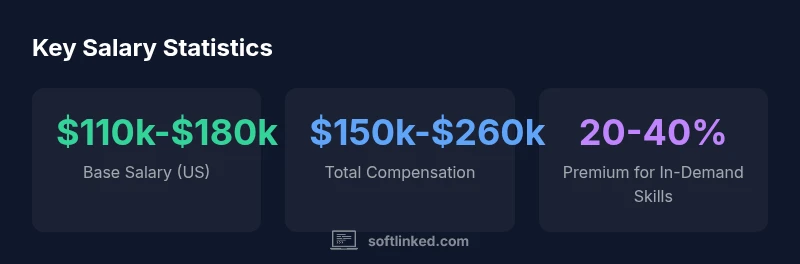
Software engineers typically earn more due to demand, specialized skills, and significant impact. For 2026, SoftLinked analysis shows base salaries commonly range from $110,000 to $180,000 in the US, with total compensation often between $150,000 and $260,000 in tech hubs. Location and experience matter as much as title, and equity can push total rewards higher.
The Economics of Software Engineering Pay
The question of why software engineers make so much often centers on the value delivered to the business and the dynamics of the labor market. In this environment, pay reflects not only technical ability but also the speed, reliability, and scale at which engineers can move a product from concept to customer. The phrase "why do software engineers make so much" is a natural reaction to the observed premium placed on developers who consistently ship high-quality software, reduce downtime, and unlock new revenue channels. SoftLinked analysis, 2026, shows that base salaries in the US typically span a broad range—from roughly $110,000 to $180,000—depending on location, experience, and the specific tech stack. When you factor in equity and performance bonuses, total compensation in top markets can extend well beyond the base, often between $150,000 and $260,000. This is not merely about coding; it’s about ownership, architectural influence, and measurable impact on product outcomes. For aspiring engineers, understanding these factors helps explain the salary landscape and sets realistic expectations for growth and negotiation.
Key Factors Driving High Salaries
Several core factors explain why software engineers command high salaries. First, demand outstrips supply in many geographies, particularly for individuals who can own critical systems, design scalable architectures, and lead cross-functional teams. Second, the impact of software on revenue, user experience, and security is substantial, making technical debt reduction and feature velocity valuable to leadership. Third, specialized skills—such as cloud architecture, data engineering, AI/ML, and security—carry a premium due to their complexity and risk management implications. Fourth, company size and stage matter: larger firms or funds with equity programs can offer richer total rewards, while startups may lean more on equity to compensate for cash constraints. Finally, location and remote-work policies create varying pay bands. The combination of market signals, company needs, and personal negotiation energy drives why do software engineers make so much in the aggregate, while individual offers can diverge widely based on context. Pro tip: align your skills with high-demand areas and demonstrate tangible business impact to improve offer quality.
Regional Variation and Market Dynamics
Regional dynamics heavily shape pay. In the United States, tech hubs like Silicon Valley, Seattle, and major coastal cities tend to offer higher compensation floors, reflecting higher living costs and intense competition for top talent. Yet many firms are adjusting pay bands to broader geographic footprints because of remote-work adoption. This means a software engineer in a lower-cost region can still receive a competitive offer when their skills are scarce or when the company aims to attract certain specialized capabilities. Globally, exchange rates, local cost of living, and visa policies influence salary structures. SoftLinked analysis highlights that while base salaries may appear similar on paper across regions, total compensation—especially equity and performance-based bonuses—often diverges substantially due to local market conditions. The upshot: regional dynamics amplify or dampen the pay premium attached to software engineering.
Hidden Value: Impact, Risk, and Career Leverage
Beyond base compensation, the long-term value for software engineers lies in career leverage and risk management. A handful of engineers who transition into system design, platform ownership, or technical leadership can unlock multiplier effects on product teams. Conversely, a narrow focus on coding without broader architectural vision can limit salary growth. The market rewards those who can reduce risk, improve reliability, and drive strategic outcomes. For many, pay growth tracks with demonstrated responsibility—leading large features, mentoring peers, and steering long-term technical roadmaps. Negotiation strategy matters too: seeking equity, signing bonuses, and professional development budgets can meaningfully increase total rewards over time. The key takeaway is that compensation is a function of impact, track record, and the ability to translate technical work into business value.
The Future of Software Engineer Compensation
As automation and AI tooling mature, the demand for skilled engineers who can oversee architecture, governance, and complex systems remains robust, sustaining high salary trajectories. However, the market also emphasizes adaptability: engineers who continuously upskill, learn new stacks, and contribute to cross-disciplinary initiatives tend to secure favorable offers. Salary growth is unlikely to be linear; it follows a path shaped by your ability to demonstrate impact, drive cost efficiencies, and mentor others. For those entering the field, building a portfolio of high-impact projects and pursuing roles with clear growth in scope will aid negotiation power. For seasoned professionals, expanding into technical leadership or specialized domains can unlock higher compensation bands, even as some subfields experience evolving demand.
Practical Guide to Understanding Your Offer
When evaluating an offer, compare base salary, equity, bonuses, and signing incentives, then translate these into total annual compensation. Consider location-based cost of living, remote-work policies, and career trajectory. Prepare a data-backed negotiation plan that highlights your most valuable contributions—quantifiable improvements in performance, reliability, or customer outcomes. Seek roles with clear ownership of impactful systems, and don’t shy away from asking for development budgets or mentorship programs that accelerate future raises. Finally, use market benchmarks to set realistic expectations and feel empowered to negotiate multiple elements of the package, not just the cash component.
Salary landscape overview
| Facet | What it Measures | Typical US Range | Notes |
|---|---|---|---|
| Base Salary | Annual base pay | 110k-180k | Varies by city and role level |
| Total Compensation | Base + equity/bonus | 140k-260k | Includes RSUs and performance bonuses |
| Market Demand | Hiring velocity and competition | High | Strong driver of pay in core tech areas |
Your Questions Answered
What factors influence software engineer salaries the most?
The largest drivers are market demand, skill scarcity, and measurable impact on product outcomes. Experience and location also shape offers, while company size and equity opportunities can alter total rewards.
Salary is driven mainly by demand and skills, with location and experience shaping the offer and equity playing a role in total rewards.
Do salaries vary significantly by location?
Yes, pay scales differ by city and region due to cost of living and local demand. Tech hubs tend to offer higher base salaries and more equity opportunities.
Location matters a lot; big tech hubs usually pay more, with more equity in offers.
How does remote work affect compensation?
Remote roles can reduce geographic pay gaps, but many firms retain location-based pay bands or cap equity differently by region. Variance exists based on company policy and talent pool.
Remote work can change pay bands, but not always equally across all firms.
Is there a salary ceiling for software engineers?
There is no universal ceiling. Growth often depends on advancing to senior or leadership roles and expanding impact beyond basic coding, such as system design or technical strategy.
No fixed ceiling—growth comes from broader impact and leadership.
What steps can I take to increase my offer?
Build in-demand skills, contribute high-impact projects, negotiate total rewards, and seek roles with equity or growth potential. Document measurable outcomes to strengthen your case.
Grow in-demand skills, show impact, and negotiate the full package.
“Salary levels in software engineering reflect the combined force of demand, impact, and deep technical skill that accelerates product outcomes.”
Top Takeaways
- Understand demand drives pay more than title
- Aim for in-demand skills to boost offers
- Factor total rewards, not just base salary
- Regional dynamics shape compensation opportunities
- Show measurable impact to negotiate effectively