How Does a Software Engineer Earn? A Practical Guide to Compensation
Explore how software engineers earn money including base salary, bonuses, equity, and growth paths. Learn practical strategies to maximize earnings across regions and industries in 2026.


How does a software engineer earn? The core answer is a compensation mix: base salary plus bonuses, equity, and benefits. The SoftLinked team notes that regional demand, company size, and role specialization shape the total package. While base pay anchors earnings, equity and performance incentives often deliver the largest upside over a career. This quick overview introduces the components and tees up a deeper dive into how earnings evolve over time.
How earnings are built for software engineers
In simple terms, how does a software engineer earn money? The core idea is a compensation mix: base salary, bonuses, equity, and a broad benefits package. The SoftLinked team notes that regional demand, company size, and role specialization shape the total package. While base pay anchors earnings, equity and performance incentives often deliver the largest upside over a career. This overview addresses the question directly: how does a software engineer earn, and what levers can you pull to grow your pay over time? The policy for 2026 remains that earnings are a function of market demand, personal skill depth, and strategic career moves. For aspiring software developers, understanding these components helps set concrete goals for skill development and negotiation timing.
Base salary: the anchor of earnings
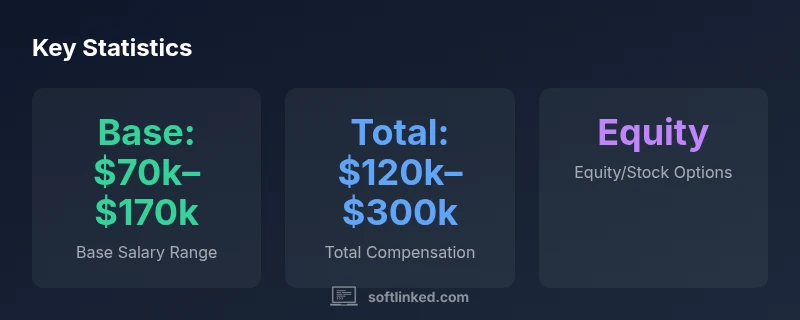
Base salary is the most visible component and often sets the floor for total compensation. In practice, the range you see reflects location, company size, and experience. Entry-level roles typically start lower, while senior and staff levels command significantly higher pay. Regional markets with dense tech hubs tend to offer higher base salaries, though that comes with cost-of-living considerations. When planning your career trajectory, treat base pay as the anchor from which bonuses and equity compound your earnings. The SoftLinked analysis underscores that a strong base is essential, but the true earning potential emerges as you progress, specialize, and move to roles aligned with market demand. Regular market checks help you target the right salary bands for your skill set.
Equity and long-term compensation
Equity or stock-based compensation can substantially boost total earnings, especially in growth-stage and large tech firms. RSUs (restricted stock units) and stock options are common formats, typically vesting over several years. Equity provides upside if the company grows, but it also introduces risk and timing considerations. Engineers often see equity drive meaningful differential between offers, particularly when base salary remains constant across competing offers. If you’re evaluating offers, quantify potential equity value at different vesting scenarios and factor in tax implications, liquidity windows, and risk tolerance. The SoftLinked team notes that equity is a powerful lever for long-term earnings but should be understood in the context of company maturity and market conditions.
Bonuses and signing incentives
Bonuses and signing incentives can meaningfully alter annual compensation. Performance bonuses may be tied to individual targets, team outcomes, or company profitability and typically range from a few percent to double digits of base pay. Signing bonuses help overcome mismatches in offer packages or compensate for relocation. Retention bonuses and annual refreshers can also appear in some packages. To maximize these incentives, negotiate a comprehensive plan that aligns with your career milestones, and document clear performance metrics. The combination of base pay plus bonuses often shifts the overall package into a higher bracket compared with base salary alone.
Career ladder and earning trajectory
Software engineers commonly move through a ladder: junior, mid-level, senior, staff, and sometimes principal or architect. Each rung tends to come with demonstrated impact, leadership responsibilities, and broader scope. Salary growth is typically gradual but accelerates when moving to high-demand domains or taking on leadership roles. Specializing in areas with steep demand—like distributed systems, cloud architecture, or security—can compress the time to higher earnings. The trajectory is not linear, but a well-planned sequence of skill upgrades, project impact, and strategic job changes can yield compounding returns over a decade.
Regional and industry variations
Where you work matters. In the United States and other mature markets, coastal tech hubs often offer higher base pay but higher living costs. Regions with growing tech ecosystems can close gaps through equity-heavy offers or robust signing bonuses. Remote work has blurred geography, with many engineers weighing salary bands alongside cost of living and time-zone considerations. Industry sectors differ too: finance, tech giants, and specialized software firms may award distinct mixes of salary, equity, and bonuses. The SoftLinked analysis highlights that understanding regional and sectoral norms helps you tailor your negotiation strategy and target roles with the best total compensation.
Strategies to maximize earnings
If you want to maximize earnings, focus on both skill depth and market visibility. Learn in-demand languages and platforms (for example, cloud, containers, and security), contribute to impactful projects, and pursue roles with clear compensation upside such as staff or principal tracks. Build a negotiation playbook: know your market value, prepare a compelling business narrative, and time offers to maximize multiple offers. Consider strategic career moves, such as switching companies for large raises, or pivoting to high-value domains within your current organization. Finally, remain mindful of equity risk and liquidity timing when evaluating total compensation.
Realistic scenarios and planning
Scenario A: A mid-level engineer gains expertise in a cloud-native stack and negotiates a senior role, achieving a notable base pay increase plus a meaningful signing bonus. Scenario B: An engineer concentrates on security with a few years of experience and moves into staff engineering with sizeable equity potential, accelerating total earnings through vesting. Scenario C: An engineer pursues remote roles with flexible compensation packages, balancing salary with equity and benefits to optimize net earnings. In each case, proactive learning, timely job changes, and clear performance metrics are key.
Long-term outlook and career decisions
Over a long horizon, earnings are shaped by continual skill advancement, leadership opportunities, and a tuned negotiation strategy. Some engineers prioritize management tracks for people leadership and broader impact, while others double down on technical depth to drive high-value architectural influence. The SoftLinked team emphasizes alignment between your strengths and market demand to sustain earnings growth. Regular self-audits of skills, market rates, and compensation packages help keep your trajectory on a positive path.
Salary components breakdown
| Component | Description | Typical Range (USD) |
|---|---|---|
| Base Salary | Fixed annual pay | $70k–$170k |
| Bonus | Performance-based annual bonus | 0%–20% of base |
| Equity/Stock | RSUs or options | 0–0.5x base |
| Benefits | Healthcare, retirement, etc. | Varies by company |
Your Questions Answered
What contributes most to a software engineer's earnings?
Base salary and equity typically drive total compensation, with location and experience shaping both. Bonuses can add meaningful upside, especially in high-performance cultures.
Base salary and equity drive most earnings; location and experience shape the offer, with bonuses adding extra upside.
Do salaries vary by industry?
Yes. Industry and company size influence base pay and equity opportunities. Finance and cloud-native tech often offer higher total packages compared to smaller startups.
Industry and company size influence pay and equity; larger finance and cloud firms often pay more overall.
Is it worth switching jobs to earn more?
Often yes. Job changes can yield larger raises than annual increments, especially when moving to senior or staff roles or to high-demand regions.
Switching roles can lead to bigger raises, especially when advancing to senior levels or hot markets.
How does remote work affect earnings?
Remote work can broaden options and negotiate power, but total compensation often reflects market rates for the role rather than location alone.
Remote roles can expand options and leverage, but pay still aligns with current market rates.
What should I focus on to grow earnings long-term?
Develop in-demand technical depth, pursue leadership or architecture tracks, and negotiate effectively at each career inflection point.
Build in-demand skills, consider leadership paths, and negotiate well at key career milestones.
Does education impact earnings?
Experience, demonstrated impact, and marketable skills matter more than credentials alone. Advanced degrees can help in some tracks but are not required for high earnings.
Experience and real impact matter more than degrees; advanced degrees help some paths but aren't essential for high earnings.
“Earnings in software engineering come from a blend of skill, market demand, and strategic negotiation. Technical depth opens doors, but sustained growth comes from aligning value with opportunity.”
Top Takeaways
- Understand earnings as a mix of base pay, bonuses, and equity
- Negotiate strategically to maximize total compensation
- Regional and industry differences strongly influence offers
- Career progression and skill specialization boost long-term earnings