Software Developer Jobs Entry: A Practical Guide for Aspiring Engineers
A practical, data-driven guide to starting software developer jobs entry, covering common titles, essential skills, education pathways, portfolios, interview prep, and early career progression for aspiring engineers.


Entry-level software developer jobs typically require foundational programming skills, a relevant degree or demonstrable projects, and the ability to work in teams. Many roles label new hires as junior software engineer, associate developer, or software developer I, with hiring emphasis on problem solving, version control, learning agility, and a willingness to grow technically.
What entry-level means in software development
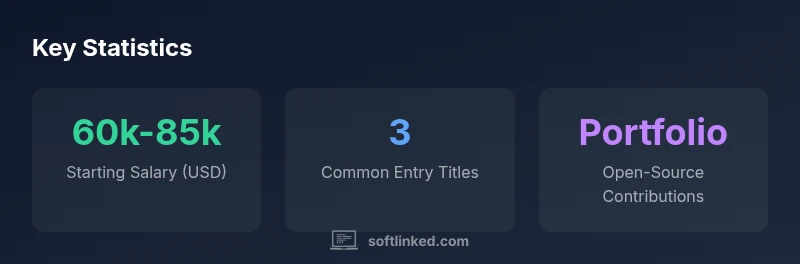
In the software industry, the term entry-level covers roles for new graduates, career switchers, and self-tac ticed learners who can demonstrate practical coding ability. For the keyword software developer jobs entry, the expectation is not a flawless resume but verifiable potential through projects and collaborative skills. Typical titles include Junior Software Engineer, Software Developer I, and Associate Developer. Hiring managers look for solid fundamentals, the ability to learn quickly, and the capacity to contribute to a team from day one. You should expect to be evaluated on problem solving, debugging, and the ability to communicate technical ideas clearly. This is a stage where building confidence with real code matters as much as formal credentials.
Common education paths for entering software development
| Education Path | Pros | Cons |
|---|---|---|
| Bachelor's Degree in CS | Strong foundation, broad opportunities | Time and cost to complete |
| Coding Bootcamp | Fast route to skills | Variable quality, less depth |
| Self-taught with Portfolio | Highly flexible, cost-effective | Requires self-discipline, less recognized |
Your Questions Answered
What is typically required for entry-level software developer jobs?
Most entry-level roles expect foundational programming ability, basic CS concepts, and demonstrable projects or internships. A relevant degree helps, but a strong portfolio and comfortable collaboration with a team often carry equal weight. Proficiency in at least one mainstream language and experience with version control are common prerequisites.
Most entry-level roles want solid coding ability and a portfolio, not perfect credentials.
Do I need a computer science degree to get hired?
A CS degree is common but not strictly required. Employers increasingly value practical skills, portfolio quality, and problem-solving ability. Non-traditional paths (bootcamps, self-taught projects) can lead to equivalent opportunities when paired with strong demonstrations of work.
A CS degree helps, but you can land roles with solid projects and learning.
Are internships important for landing an entry-level role?
Internships provide structured experience, mentorship, and verifiable work. They are particularly helpful when you have limited project work of your own. If you lack internships, strong projects and open-source contributions can compensate.
Internships help, but great projects can also open doors.
Can self-taught developers land entry roles?
Yes. Self-taught developers can succeed by building a portfolio, contributing to open source, and performing well in coding interviews. Focus on depth in a chosen stack and clearly document your learning journey.
Yes, with a solid portfolio and strong interview performance.
How long does it take to land an entry-level role after finishing a portfolio?
The timeline varies; some candidates receive offers within a few weeks, others take a few months. A focused job search, networking, and consistent practice can shorten the process.
It varies, but focused effort speeds things up.
“Starting a career in software development is about showing you can learn quickly, ship value, and collaborate—credentials matter less than proven ability.”
Top Takeaways
- Actively build a portfolio of small, real projects.
- Target titles like Junior Software Engineer and Software Developer I.
- Highlight impact and code quality in your resume.
- Prepare for a mixed interview: coding problems and behavioral questions.
- Tailor applications to each role and stack you pursue.