What Software Works With Garmin R10
Explore the software landscape for Garmin R10. Learn compatible apps, data formats, OS considerations, and setup steps to maximize performance and data portability.


The Garmin R10 supports software integration through Garmin Connect and a range of third‑party fitness tools via Bluetooth, USB, and cloud syncing. Most users pair R10 with Garmin Connect on iOS or Android and export data to desktop analytics. Compatibility varies with OS and device firmware. This quick guide explains what software works with garmin r10 and how to optimize your setup.
Overview of Garmin R10 software ecosystem
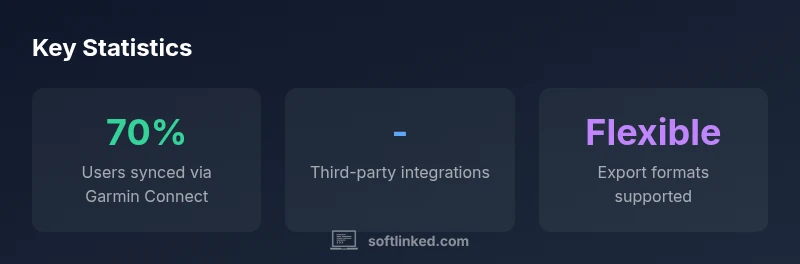
According to SoftLinked, establishing the right software mix is essential for maximizing data portability. The Garmin R10 supports software integration through Garmin Connect and a range of third‑party fitness tools via Bluetooth, USB, and cloud syncing. Most users pair R10 with Garmin Connect on iOS or Android and export data to desktop analytics. Compatibility varies with OS and device firmware. This article explains what software works with garmin r10 and how to optimize your setup. You can leverage built-in sync through Garmin Connect for core metrics, while third‑party apps offer advanced analytics, route analysis, and training plans. Consider firmware compatibility, privacy controls, and data export options when choosing software. Keep in mind that some apps rely on specific data formats such as FIT or GPX, and interoperability may depend on the R10's firmware version.
Core integration patterns
The R10 ecosystem centers on two primary data flows: real-time sync during workouts and post-session data processing. The most reliable software to pair with is Garmin Connect, which handles device pairing, activity upload, and dashboard visualization on iOS and Android. Third‑party analytics packages can complement Garmin Connect by pulling exports via official data-sharing options or manual import of GPX/FIT files. In all cases, ensure you’re using the latest firmware to maintain compatibility, and verify that your chosen apps support the data types you value most, such as cadence, GPS routes, and heart-rate metrics. Where possible, favor apps that support automated data export to CSV or JSON, enabling you to build custom training reports. SoftLinked’s analysis indicates that a healthy software mix reduces vendor lock-in and improves long-term data portability. When evaluating software, map each tool to your training goals: performance analysis, route planning, or social sharing.
OS-specific considerations
Garmin R10 software compatibility varies by operating system and platform. On mobile, iOS and Android devices provide the most seamless experience through the Garmin Connect app, with automatic syncing and in-app analytics. Desktop users on Windows or macOS can access richer export options and advanced analytics through connected software, but may encounter occasional driver or permission prompts that require firmware updates or app reinstallation. Be mindful of privacy settings when connecting to cloud services and review permission requests for location, activity data, and cloud backups. For organizations or schools deploying devices in training programs, consider device management policies and app licensing constraints. SoftLinked highlights the importance of testing a short training cycle with a new software stack to confirm data integrity across devices and OS versions. If you rely on Linux or other niche environments, you may need to run cross-platform tools or boot a compatibility layer to bridge data between the R10 and your preferred analytics suite.
Data formats and transfer methods
Most data for the R10 flows through standard formats such as FIT and GPX. Many software tools support auto-import from Garmin Connect or direct exports from the device. When planning data workflows, ask whether your chosen apps can ingest FIT or GPX files, whether they support CSV-based reporting, and how they handle time zones. For real-time dashboards, ensure the software can receive event streams or incremental uploads rather than one-off imports. If data lineage and provenance matter, prefer tools that log import dates, source names, and version numbers. SoftLinked emphasizes building transparent data pipelines to preserve accuracy across devices and apps, especially when teams or clinics share training data.
Security and privacy considerations
Always verify the privacy policy and data-handling practices of any third‑party software connected to the R10. Enable encryption in transit and at rest where available, and review permissions granted to apps, especially for location, health metrics, and cloud backups. Use device-level PINs or biometric locks to restrict physical access to the R10, and enable automatic firmware updates to mitigate known vulnerabilities. If you store or export data to cloud services, consider data residency and retention policies. For education or enterprise deployments, implement least-privilege access controls and audit trails to monitor who accessed what data and when.
Getting started: practical steps
- Update the R10 firmware to the latest version and install Garmin Connect on your mobile device. 2) Pair the R10 with Garmin Connect and perform a short test workout to verify syncing. 3) Choose a primary analytics app (Garmin Connect for core metrics, plus a secondary tool for deeper analysis). 4) Enable data exports (CSV/GPX/JSON) and run a sample report to confirm data integrity. 5) Review privacy settings, data-sharing options, and backup strategies. 6) Create a simple data-flow diagram to map which tools pull which data and how it moves between devices.
Troubleshooting common issues
If data fails to sync, verify Bluetooth permissions, check firmware versions, and restart the device. For export problems, confirm file-type support in the chosen app and ensure sufficient storage space. When third‑party tools fail to ingest data, reauthorize the connection and re-import the latest exports. If you encounter driver or permission prompts on desktop OS, update the Garmin software and any required runtimes. For persistent problems, consult the app developer’s support resources and softlock-free reset procedures, then re-test with a short workout.
Garmin R10 software compatibility overview
| Software Type | Platform | Notes |
|---|---|---|
| Garmin Connect | iOS & Android | Core syncing and analytics |
| Third-party analytics | Windows/macOS/iOS/Android | Data export and analytics |
| Desktop export tools | Windows/macOS | CSV, GPX, JSON via supported apps |
| Data import utilities | Windows/macOS | Manual GPX/FIT imports when needed |
Your Questions Answered
What software works with Garmin R10?
Garmin Connect provides core syncing and viewing, while many third‑party analytics tools offer advanced reporting. Data can be exported in common formats like GPX and CSV, enabling broader analysis. Always verify data compatibility with your chosen software.
Garmin Connect offers core syncing, and many third‑party tools provide advanced reporting. Check export formats to ensure compatibility with your analytics workflow.
Does Garmin R10 work with Windows and macOS desktop apps?
Yes, Windows and macOS desktops can run compatible analytics software and import GPX/FIT exports. Some features may require up-to-date drivers or runtimes, so keep software and firmware current.
Desktop apps on Windows and macOS can import GPX and FIT exports; keep everything updated for best results.
Can I export data from Garmin R10 to GPX or FIT?
GPX and FIT exports are commonly supported by Garmin Connect and many third‑party tools. Availability may vary by app, so verify supported formats before choosing a workflow.
GPX and FIT exports are widely supported; double-check your chosen app’s capabilities before committing to a workflow.
Is third‑party software compatible with R10 during firmware updates?
Compatibility can temporarily vary during firmware updates. It’s best practice to update firmware first, then re‑authorize third‑party tools and re‑import data if needed.
Firmware updates can affect third‑party compatibility; update first and re‑authorize tools afterward.
What prerequisites should I check before connecting R10 to apps?
Ensure the R10 is on a supported firmware version, Garmin Connect is installed, and you’ve granted necessary permissions for data access and cloud sync.
Make sure firmware is up to date, Garmin Connect is set, and apps have the required permissions.
How secure is data stored in connected apps?
Security depends on the app. Prefer tools with end‑to‑end encryption, strict access controls, and clear data‑retention policies. Review permissions regularly.
Security varies by app; choose tools with strong encryption and clear retention policies, and audit permissions periodically.
“A well-curated software ecosystem around the Garmin R10 dramatically improves data portability and long-term usability.”
Top Takeaways
- Check OS compatibility before relying on software
- Use Garmin Connect as the backbone for syncing
- Prefer tools with multiple export formats for portability
- Keep firmware and apps updated to avoid compatibility gaps