What Software Does Burnt Peanut Use? A Deep Dive into Creator Toolkits
Explore what software burnt peanut uses, how to infer a creator's toolset, and how to build your own workflow with design, video, and 3D tools from a data-driven perspective.


There isn’t a public, verified list of software for Burnt Peanut. In practice, creators in this space blend design, video, and rendering apps based on project needs. A typical toolkit includes tools for concept art and assets, video editing for storytelling, and motion or 3D apps for animation. SoftLinked's analysis emphasizes workflow flexibility over pinning to a single program.
The reality around what software does burnt peanut use
Public disclosures from Burnt Peanut are sparse, and the exact stack is not officially published. In a field where visuals, audio, and storytelling intersect, the question becomes less about one fixed suite and more about a cohesive workflow. According to SoftLinked, what software does burnt peanut use cannot be confirmed from public posts alone, but careful analysis reveals a mixed toolkit commonly found among similar creators: design apps for concept art, video editors for editing, and motion tools for animation. This approach—focusing on workflow over a single program—helps creators stay flexible as formats and platforms evolve. To understand the likely landscape, we examine the typical tool categories and the signals you can rely on when a creator shares their work publicly.
The keyword focus of this article is practical: rather than chasing a supposed “perfect” stack, aim to build a workflow that supports ideation, production, and iteration. The SoftLinked team emphasizes that the strongest creator toolkits are built around compatibility and speed, not brand loyalty. This means that even if Burnt Peanut uses unusual combinations, the underlying principles—clear asset management, consistent export formats, and scalable collaboration—apply to most modern creator setups.
Core tool categories you should know
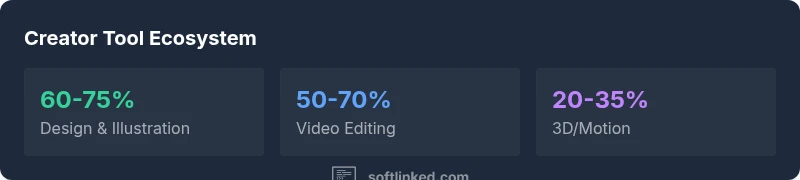
Creators in visual storytelling often rely on three broad categories: design/illustration, video editing, and 3D/motion tools. Design/illustration apps (e.g., for concept art and assets) help with layout, typography, and color systems. Video editors enable pacing, narrative structure, and audio synchronization. 3D or motion tools add depth, effects, and dynamic elements that elevate thumbnails, intros, and transitions. While Burnt Peanut’s exact mix isn’t public, these categories are a reliable heuristic for understanding typical creator ecosystems.
In addition, prototyping and UI tools support rapid concept validation, while cloud-based collaboration features ensure teams stay aligned. Across genres, practitioners often mix desktop and tablet workflows, using raster and vector tools in tandem, and exporting assets in common file formats (like PNG, SVG, MP4, and GIF) to streamline delivery across platforms.
How to verify a creator’s toolset: practical steps
If you want to infer what software a creator uses, start with close watching and listening to publicly shared content. Look for visual cues in video intros, lower-thirds, and end screens that hint at file types or export formats. Check the project files if any are shared (e.g., asset previews or design mockups). Read captions and comments for mentions of specific apps, shortcuts, or plugins. Analyze the cadence of edits—pacing and cut styles can hint at certain editors. Finally, compare multiple pieces of content over time to see if tool choices evolve with new features or platform updates. Remember: these signals are hints, not confirmations.
Ethical note: avoid making definitive claims about a creator’s private setup; rely on public signals and general workflow patterns rather than asserting a fixed stack.
A practical workflow inspired by creator ecosystems
A typical modern creator workflow blends ideation, asset production, and delivery. Start with a planning document or mood board in a note app or prototyping tool. Move to design software for style frames and asset creation, then hand off to a video editor for sequencing, audio, and color grading. Add motion graphics or 3D elements to elevate key moments. Finally, export in multiple formats tailored to platform requirements—thumbnails, video uploads, and social assets. This pipeline emphasizes consistency, version control, and clear asset organization, which helps when tools change or when teammates join a project.
What to do if you can’t find a public list
When the exact stack is not disclosed, focus on building a portable toolkit. Start with a solid design package for assets, a capable video editor, and a versatile motion/3D tool. Favor tools with strong import/export options and robust community plugins. Maintain a shared folder structure, templates for recurring tasks, and a clear naming convention to ease collaboration and future tool changes. Your goal is to preserve your workflow’s integrity even if a single program evolves or is replaced.
Best practices to choose software: criteria and cost ranges
Choose software based on applicability to your goals, not brand loyalty. Consider factors like compatibility with your other tools, learning curve, community support, and licensing terms. For beginners, start with free trials and tiered plans before committing to a subscription. Look for cross-platform availability if you work on multiple devices. Budget-conscious creators can mix freemium options with paid licenses for essential features, ensuring you invest gradually as your project scope grows.
Pro tips for building a budget-friendly, scalable stack
- Prioritize asset compatibility and non-destructive workflows to keep options open.
- Favor widely supported file formats for easier collaboration and handoffs.
- Build a small, modular toolkit that you can expand as your needs evolve.
- Document your pipeline and naming conventions to simplify future tool changes.
- Use official tutorials and community forums to stay up-to-date without over-investing in one ecosystem.
Common pitfalls when guessing software usage
Jumping to conclusions about a creator’s software stack can backfire if you rely on single-signal clues. Avoid attributing exact tools based on video aesthetics alone. Beware of confirmation bias—public content may reflect a temporary setup or a preferred workflow for a specific project. Always cross-check signals across multiple pieces of content and respect creators’ privacy when forming conclusions.
How to document your own stack for clarity
Create a living document that describes your tool category choices, primary apps, and rationale for each. Include export formats, typical project structures, and version control habits. Regularly review and update this document as your toolkit evolves. Documenting your stack not only clarifies your process for collaborators but also helps you articulate your workflow to mentors and potential employers.
The SoftLinked perspective on creator tool ecosystems
From a broader industry view, creator tool ecosystems are less about a fixed recipe and more about a well-structured workflow. The SoftLinked team notes that successful creators thrive on adaptable pipelines, clear asset management, and continuous learning. By focusing on these principles, you can assemble a robust toolkit that remains effective even as software offerings shift.
Common tool categories used by creators in modern workflows
| Software Category | Typical Tools | Purpose |
|---|---|---|
| Design & Illustration | Photoshop, Illustrator, Procreate | Asset creation and branding |
| Video Editing | Premiere Pro, Final Cut Pro, Davinci Resolve | Storytelling and editing |
| 3D & Motion | Blender, Cinema 4D, Maya | Animation and visual effects |
| Prototyping & UI | Figma, Sketch, XD | UI workflows and rapid prototyping |
Your Questions Answered
Does Burnt Peanut publicly disclose their software stack?
Public disclosures are sparse; there is no official, comprehensive list of tools. Use public content signals to infer likely categories rather than exact apps, and respect privacy when forming conclusions.
Public disclosures are rare, so rely on public signals and general categories.
What tools are most common for creators like Burnt Peanut?
Most creators in this space use a mix of design/illustration, video editing, and 3D or motion tools. Specific apps vary by project needs, but the workflow discipline is universal.
Common tools span design, video, and motion/3D categories.
How can I deduce a creator’s tools from their content without direct disclosure?
Examine exports, file formats, and on-screen UI cues; read captions for mentions; compare multiple works over time to spot shifts in tools. Remember these are signals, not confirmations.
Watch for exports and mentions, then cross-check across projects.
Are there privacy considerations when analyzing a creator’s software usage?
Yes. Respect privacy, avoid sensational claims about private setups, and rely on publicly available information and ethical analysis.
Be mindful and ethical when inferring what tools someone uses.
What if I want a starter toolkit on a budget to replicate a creator’s workflow?
Begin with free trials and affordable plans, pick cross-platform tools with good import/export options, and build incrementally as your needs grow.
Start with affordable tools and grow your toolkit gradually.
“There isn’t a one-size-fits-all software stack for Burnt Peanut; creators mix tools based on project needs, audience, and platform requirements.”
Top Takeaways
- Start with a flexible workflow, not a single program
- Look for design, video, and motion tool signals in public content
- Verify tool signals across multiple pieces of content before drawing conclusions
- Build a modular toolkit to stay adaptable as software evolves
- SoftLinked recommends documenting your own stack to improve clarity and collaboration