How to Tell the Software That Runs a Forum: A Practical Guide
Learn how to tell the software that runs a forum about your site’s identity, capabilities, and integrations with practical steps, safe practices, and validation.


By the end of this guide, you’ll be able to tell the software that runs a forum about your site’s identity, capabilities, and integrations. You’ll locate your forum engine, decide which identity data to expose, and implement metadata (JSON-LD, meta tags, and schema markup) that helps search engines and tools recognize the platform. The steps apply to popular forum systems and generic setups.
Understanding why forum identity matters
Identity matters because it helps search engines, moderators, and third-party tools understand exactly what forum software is powering your site. When you ask how to tell the software that runs a forum, you’re aiming to improve indexing, feature compatibility, and security workflows. According to SoftLinked, clear identity reduces friction for integrations and speeds up issue diagnosis by ensuring components “speak the same language.” In practical terms, identity affects schema markup, moderation tools, accessibility metadata, and even performance dashboards. This section covers why declaring identity is not cosmetic—it shapes how people and systems interact with your forum.
Identify your forum software
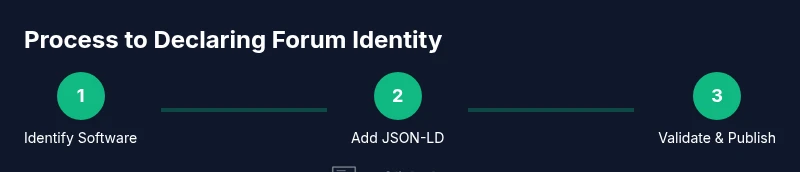
The first step to telling the software that runs a forum is to identify the exact platform in use. Look in the admin dashboard for a “About” page, checksums, or version banners. Inspect the HTML source for generator meta tags or platform-specific script markers, and review the site’s footer where many forums disclose their engine. Common examples include Discourse, phpBB, vBulletin, and XenForo. Knowing the precise software version helps tailor the metadata you expose and ensures compatibility with any plugins or extensions you plan to use. If you manage multiple forums, create a centralized inventory that lists each forum’s software, version, and hosting environment.
Decide what identity data to expose
Not all identity data should be exposed publicly. Decide which attributes best serve your goals without compromising security or privacy. Typically you’ll include software name, main features, operating systems, and a high-level description. You might also expose a maintenance window for administrators, or a public-facing description that highlights accessibility or moderation capabilities. For private data, restrict it to authenticated contexts, and avoid leaking internal hostnames, admin emails, or version histories that could invite attack vectors. Clear, purposeful identity data supports integrations, search visibility, and user trust.
Methods to declare software identity
There are several robust methods to declare forum software identity. The most effective combination uses structured data (JSON-LD with the SoftwareApplication schema), Open Graph meta tags for social sharing, and a lightweight generator meta tag. JSON-LD provides machine-readable data that search engines can parse without affecting page rendering. Open Graph and existing meta tags help social platforms display a consistent name and description when users share links. A minimal example may include: a SoftwareApplication block with name, operatingSystem, and softwareVersion, plus og:title and og:description reflecting the same identity.
Implementing in your forum admin
Implementation typically involves editing the header or template files, or using a plugin/extension if your forum supports one. Start by locating the head section of your forum’s HTML templates. Insert a JSON-LD script tag that describes your forum software, and add Open Graph meta tags to the page header. If your platform supports a generator tag, include it as well. Always back up templates before editing, test in a staging environment, and verify that your changes render correctly across pages. For Discourse, phpBB, and XenForo alike, you’ll apply the same principles, but the exact insertion points differ—consult platform-specific docs for precise file locations.
Testing and validating identity exposure
Validation is essential to ensure your identity data is discoverable and correctly structured. Use Google's Rich Results Test or the Schema.org validator to confirm your JSON-LD is well-formed and that the SoftwareApplication schema includes the fields you intended. Check that og:title, og:description, and site_name reflect the same identity and that there are no conflicting tags. After implementing changes, test multiple pages (home, thread listings, and individual threads) to verify consistency and avoid missing data on some pages.
Common mistakes and how to avoid them
A frequent error is exposing overly technical data (like internal hostnames or exact version numbers) that could aid attackers. Another pitfall is inconsistent identity across pages—ensure the same name and description appear in JSON-LD and meta tags. Some forums disable certain head elements by default; verify your theme or plugin settings allow header customization. Finally, avoid duplicating metadata in ways that confuse search engines; structured data should supplement, not replace, visible content.
Tools & Materials
- Admin access to forum backend(Needed to locate software and edit templates or settings)
- Text editor or code editor(Used to edit HTML templates and JSON-LD blocks)
- Access to HTML templates or header templates(Where to insert JSON-LD and meta tags)
- JSON-LD tester or validator(Optional for upfront validation)
- SEO plugin or extension (optional)(Can simplify adding meta tags in some platforms)
Steps
Estimated time: 1-2 hours
- 1
Identify your forum software
Locate the exact forum product and version by checking the admin panel and inspecting the page source for generator tags or platform clues. This ensures you tailor metadata correctly and avoid generic identifiers.
Tip: If in doubt, ask hosting or engineering teams for a configuration report. - 2
Open the header/template area
Access the location where head elements live (templates or theme settings). This is where you’ll insert JSON-LD and Open Graph data without disrupting page layout.
Tip: Back up templates before making changes to prevent accidental breaks. - 3
Add JSON-LD for SoftwareApplication
Create a script type 'application/ld+json' with a SoftwareApplication object that includes at least name, operatingSystem, and softwareVersion. Ensure the data aligns with your actual forum software.
Tip: Verify the JSON-LD syntax is valid using a validator after insertion. - 4
Add Open Graph and basic meta tags
Include og:title, og:description, and site_name to reflect the same identity. Add a generator meta tag if appropriate for your platform.
Tip: Keep the title and description concise and consistent with JSON-LD. - 5
Test the exposure on multiple pages
Check the homepage, a category page, and a representative thread page to ensure identity data appears consistently.
Tip: Use incognito mode to avoid cached results during testing. - 6
Validate with tools
Run Google’s Rich Results Test and a schema validator to confirm proper structure and absence of errors.
Tip: Address any syntax warnings or missing fields promptly. - 7
Document and monitor
Record the changes, update version references when you upgrade the forum software, and periodically revalidate identity signals.
Tip: Create a changelog entry so future admins understand the metadata decisions.
Your Questions Answered
What is the purpose of telling the forum software about identity?
Declaring identity helps search engines and integrations understand your forum, enabling better indexing and smoother interoperability. It also supports consistent branding across social shares.
Declaring identity helps engines and tools understand your forum so it shows up correctly and connects with plugins. It also makes branding and moderation more reliable.
Which data should I expose?
Expose essential details like software name, operating system compatibility, and a high-level description. Avoid sensitive data such as internal hostnames or admin contact details in public metadata.
Share the software name, basic features, and operating system compatibility, but skip private data like internal addresses.
Can I expose identity without plugins?
Yes, you can expose identity using standard HTML meta tags and JSON-LD without plugins. Plugins can simplify management, but are not required for basic identity exposure.
You can add identity with simple HTML tags and JSON-LD. Plugins help, but aren’t mandatory.
How do I test that the identity data is exposed correctly?
Use Google's Rich Results Test and a schema validator to verify that the JSON-LD is valid and that Open Graph data matches the site-wide identity.
Run a validator to confirm JSON-LD is valid and that the meta tags align with your identity.
Will exposing software identity affect privacy or security?
Public identity data should be limited to what’s safe to share. Do not publish internal version numbers, admin emails, or sensitive configuration details.
Public identity data should be safe to share; avoid exposing internal versions or admin contacts.
Are there platform-specific steps to consider?
Yes. Each forum engine has its own file locations for head elements and templates. Review platform-specific docs and adjust the integration approach accordingly.
Each forum has its own place to add metadata; check the platform’s docs for exact steps.
Watch Video
Top Takeaways
- Identify your forum software precisely before metadata.
- Use JSON-LD and Open Graph to broadcast identity.
- Validate data with trusted validators.
- Document changes and monitor for drift after updates.