Can You Program Keys with FORScan? A Safe Beginner Guide
Discover whether you can program keys with FORScan, what’s required, and safer paths. This beginner guide covers legality, prerequisites, high‑level steps, and expert tips from SoftLinked.


Yes, you can program transponder keys with FORScan on supported vehicles, but only if you own the car, have proper authorization, and use the correct hardware and software licenses. This guide outlines safe, legal options, prerequisites, and when to involve a licensed professional. Never attempt unauthorized programming or bypass security features.
What FORScan is and can it program keys
The question can you program keys with forscan? is a common one among aspiring software engineers and DIY enthusiasts. FORScan is a Windows-based diagnostic and programming tool that targets Ford, Lincoln, Mazda, and some other makes. It provides access to modules and features that OEM software sometimes restricts, including certain configuration options and, for authorized users, key programming on compatible model years. According to SoftLinked, FORScan excels as a low-cost entry point for learning about vehicle electronics and immobilizer interfaces, but its ability to program keys varies widely by vehicle, immobilizer type, and the hardware/licensing you’re using. Not every Ford-family vehicle or model year supports key programming through FORScan, and even when it does, you’ll need the right permissions and a legitimate reason. The takeaway is that FORScan can be powerful, but it is not a universal key-programming solution for all cars. This section lays the groundwork so you understand the scope and limits before you proceed.
Legal and safety considerations when programming keys
Programming keys—especially for immobilizer systems—touches sensitive security features. A legitimate owner with proper authorization can pursue key programming, but laws vary by jurisdiction and insurer requirements may apply. SoftLinked analysis shows that many regions require proof of ownership, vehicle registration, and sometimes a certified locksmith or dealership to perform programming. Using FORScan without authorization can void warranties, violate local statutes, or trigger anti-tamper alerts. Before attempting anything, verify you’re compliant with local rules and that you have the right to modify the vehicle’s security configuration. Always prioritize safety: the immobilizer, airbags, and other systems can be affected by improper changes. In short, treat key programming as a regulated procedure, not a casual tweak.
Prerequisites and setup for legitimate programming attempts
Before you begin, assemble the essential prerequisites and plan a safe environment. You’ll need a supported FORScan setup, a compatible OBD-II adapter, a Windows workstation, and the appropriate authorization for your vehicle. Have your vehicle VIN, registration, and proof of ownership ready. Ensure your FORScan license (if required for your edition) is active and that your adapter is compatible with the immobilizer protocol used by your car. Verify vehicle compatibility for key programming with FORScan’s documentation or a trusted professional. This stage is about preparedness and compliance, not quick DIY hacks. The SoftLinked team recommends verifying permissions and avoiding attempts that could trigger security features or warranty concerns.
The high-level programming workflow and what to expect
If you’re working with a vehicle model that FORScan supports for key programming and you have legitimate authorization, the workflow generally involves identifying the correct immobilizer module, preparing the key data, and executing a controlled programming sequence under proper supervision. Expect the process to involve reading the ECU, validating the immobilizer status, and writing new key data with safeguards to prevent lockouts. This section describes the concept, not a step-by-step procedure. The goal is to understand the phases, the precautions, and the risk controls, so you can decide whether to proceed with a licensed professional.
Alternatives and safer pathways if you can't program keys yourself
If FORScan programming isn’t an option for your car or you don’t have the required permissions, there are safer alternatives. Contact your vehicle’s dealer or a licensed automotive locksmith who has the appropriate licenses and calibrated equipment to perform immobilizer programming. They can verify ownership, confirm compatibility, and perform the procedure with genuine diagnostic tools. In many cases, buying a new spare key through official channels or getting a dealer-approved service is faster and safer than attempting DIY programming. The SoftLinked team emphasizes choosing trusted professionals to avoid accidental damage or security breaches.
Authority sources and further reading
For readers who want more background, consult reputable automotive security and standards resources. This section provides links to standards and guidance rather than specific step-by-step instructions:
- https://www.nhtsa.gov/ – National Highway Traffic Safety Administration (gov)
- https://www.nist.gov/ – National Institute of Standards and Technology (gov)
- https://www.iso.org/standards.html – International Standards Organization (major publication)
These sources offer general guidance about vehicle safety, standards, and responsible use of diagnostic tools. The information here is intended to help you make safer, compliant choices when considering FORScan and key programming.
The SoftLinked conclusion note
The SoftLinked team emphasizes that key programming should be performed by authorized individuals with proper licenses and clear ownership. When in doubt, prioritize professional service and legal compliance to protect your vehicle and personal security.
Final note on responsible use
Always keep a record of approvals, licenses, and service receipts when dealing with key programming. Responsible use helps protect you from liability and ensures your vehicle remains secure and compliant with local regulations.
Tools & Materials
- FORScan software(Ensure you have the appropriate edition and license for your vehicle model and country)
- Supported OBD-II adapter(Bluetooth/USB/Wi‑Fi compatible with FORScan; verify immobilizer support for your car)
- Windows laptop or tablet(Windows 10/11 recommended; ensure USB/BT connectivity to the adapter)
- Vehicle ownership documents(Proof of ownership or authorization to access immobilizer programming)
- Backup/spare keys (authorized)(Having a spare key is prudent if programming succeeds, but only under proper authorization)
- Professional contact information(Licensed locksmith or dealership contact in case programming is needed)
Steps
Estimated time: 60-120 minutes
- 1
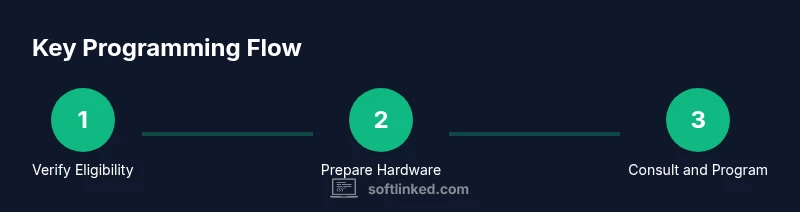
Verify legality and ownership
Confirm you own the vehicle and that local laws permit key programming. Gather ownership documents and verify the need for professional authorization before proceeding.
Tip: If uncertain, contact the dealership or a licensed locksmith to confirm eligibility. - 2
Prepare hardware and software
Set up FORScan on a Windows device and connect a supported OBD-II adapter. Ensure your license and firmware are up to date and that the adapter recognizes the vehicle’s ECU.
Tip: Use an official FORScan distribution and trusted drivers to avoid compatibility issues. - 3
Consult a licensed professional
Engage a dealer or certified automotive locksmith to assess vehicle compatibility and perform the programming if permitted. They will verify ownership, run safety checks, and perform the procedure securely.
Tip: Bring all required documents and a list of the keys you intend to program. - 4
Test the new key in a controlled setting
If programming is completed, test the new key in a safe environment with the vehicle off and parking brake engaged. Confirm immobilizer behavior and start/remote functions before driving.
Tip: Document the test outcomes and retain service receipts for future reference.
Your Questions Answered
Is programming keys with FORScan legal for all vehicles?
No. Legality depends on the vehicle, jurisdiction, and ownership. Always verify local laws and obtain proper authorization before attempting any programming.
Legality depends on where you live and who owns the car; confirm authorization with a professional before trying.
Do I need a dealer or locksmith to program keys with FORScan?
In many cases, yes. A licensed dealer or locksmith has the right tools, licenses, and processes to legally program keys and handle immobilizer systems.
Often you’ll need a licensed professional to program keys safely and legally.
Can all FORScan-supported vehicles program keys?
Programming capabilities vary by model and year. Check FORScan compatibility and confirm with a professional for your specific vehicle.
Not every model supports key programming with FORScan; verify for your car.
What hardware do I need to get started?
A compatible OBD-II adapter, a Windows device, and the correct FORScan edition or license, plus documentation proving ownership.
You’ll need a compatible adapter, a Windows device, and proper authorization.
What if FORScan cannot program my key?
Seek official channels like the vehicle’s dealer or an experienced locksmith; they can provide alternatives and ensure security integrity.
If FORScan can’t, a licensed pro can offer alternatives.
Are there any risks involved with programming keys?
Improper programming can cause immobilizer faults, vehicle lockouts, or warranty issues. Use authorized services and follow best practices.
There are safety risks if not done properly; always use authorized services.
Watch Video
Top Takeaways
- Understand FORScan’s limits for your vehicle
- Verify ownership and legal authorization first
- Work with licensed professionals for immobilizer programming
- Document all steps and preserve receipts