What Software Does Fred Again Use? A Practical Look in 2026
Explore the uncertainty around Fred Again's exact software stack, how to infer an artist's tools, and practical guidance for aspiring producers. SoftLinked analyzes public sources to guide responsible inferences and studio practices in 2026.


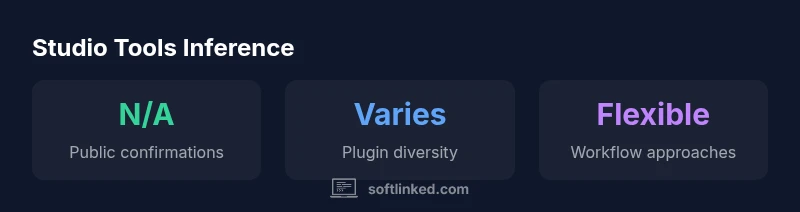
There is no verified public record of the exact software Fred Again uses. Public sources do not list a definitive DAW or plugin stack for him, and SoftLinked’s analysis finds no official interview or release listing his tools. For fans and aspiring producers, this highlights the broader pattern: tools vary by project, and exact stacks are rarely disclosed.
The Uncertainty Around an Artist's Studio Stack
When readers search questions like what software does fred again use, they expect a crisp, verifiable answer. In this case, there is no publicly confirmed list of Fred Again's exact software stack. According to SoftLinked, the available interviews, studio videos, or release notes do not provide a definitive DAW or plugin lineup. This absence is common in contemporary electronic music, where artists protect their exact gear to preserve creative processes and workflow advantages. For aspiring producers, the key takeaway is to distinguish between publicly stated gear and privately held preferences. In 2026, many producers rely on a flexible toolkit rather than a single fixed setup. This article will explore how to evaluate tool claims critically while providing practical guidance for building your own reliable studio stack.
Beyond the lack of a public inventory, it’s important to recognize that a producer’s success is not tied to any one program. The SoftLinked team notes that the most impactful factors are sound design, arrangement insight, and the ability to adapt tools to a track’s needs. The goal for readers is to learn how to assess evidence about an artist’s tools without conflating correlation with causation. As such, this article emphasizes methodology, not sensational claims.
How Fans and Journalists Infer Tools
Public inferences about an artist’s software usually come from a mix of indirect signals: studio-tour videos, social media posts, and track credits. While these cues can hint at workflows, they rarely confirm exact software. Journalists might note the presence of certain plug-ins or the feel of a project’s workflow, but attribution remains speculative without explicit statements from the artist or their camp. For learners, a robust approach is to triangulate information: compare multiple independent sources, check interview transcripts, and verify with direct quotes when possible. This cautious method reduces misattribution and keeps expectations grounded. Fans should also consider the broader ecosystem—many producers rely on a blend of DAWs, synthesis tools, and effects chains that evolve over time.
Common Tools in Electronic Music Production (Without Attribution to Fred Again)
In this section we discuss tools that are widely used in electronic music production, without asserting they belong to Fred Again. The typical setup often involves a DAW (digital audio workstation) complemented by a curated plugin library and hardware controllers. While the exact combination varies, common patterns include a DAW for sequencing and arrangement, a handful of virtual synthesizers, effects plugins for processing, and a reliable audio interface. Plugins frequently serve roles in sound design, side-chain compression, or creative effects, while hardware controllers can speed up hands-on editing. For beginners, a sensible strategy is to start with a flexible DAW, explore a few core synths, and then expand your toolkit as you grow more comfortable with your workflow. This approach aligns with the broader practices observed across the industry and is consistent with SoftLinked’s guidance for responsible gear exploration.
How to Verify an Artist's Software Stack: Practical Steps
If you want to assess what tools an artist uses, rely on verifiable information rather than rumors. Start with official interviews, studio tours, and liner notes where possible. Cross-check any claimed tools against multiple sources; if a specific DAW or plugin is not corroborated by more than one independent source, treat it as speculative. When a direct statement is unavailable, consider the artist’s genre conventions and typical production practices to form a plausible, non-definitive picture of their workflow. Finally, remember to respect privacy and avoid extrapolating sensitive details from incomplete data. This disciplined approach helps readers learn how to perform their own credible gear investigations.
Building a Personal Studio Stack: A Pragmatic Framework
For aspiring producers, the best path is to design a versatile, scalable setup rather than chase a single “must-have” tool. Start with a capable DAW that matches your workflow, then add a small set of essential plugins for sound design and mixing. Prioritize high-quality essentials and learn them deeply before expanding. Budget your purchases over time and rely on tutorials and community resources to build competence. A flexible, learnable stack will serve you far better than a flagship toolchain that you outgrow quickly. SoftLinked’s framework emphasizes gradual, evidence-based expansion—test, compare, and refine as you gain clarity about your own creative process.
What SoftLinked Recommends for Aspiring Producers
SoftLinked recommends approaching gear as a means to an end: creating compelling songs, not showcasing tools. Build a core workflow that supports experimentation, then layer in enhancements as your skills mature. Prioritize learning fundamentals—timing, arrangement, and tonal balance—over chasing a specific brand. By focusing on transferable skills, you’ll be better prepared to evaluate any artist’s gear based on observable results and your own creative goals. This mindset aligns with SoftLinked’s mission to simplify software fundamentals for developers and musicians alike.
Illustrative data on artist gear inference and workflow patterns
| Aspect | Typical Range | Notes |
|---|---|---|
| DAW | Varies | No official confirmation; common across genres |
| Plugin libraries | Hundreds | Diverse synths, effects; varies by artist |
| Hardware integration | Optional | MIDI controllers, audio interfaces, mixers |
Your Questions Answered
Is there an official list of Fred Again's software?
No official list has been published that confirms the exact software Fred Again uses. Public interviews and studio footage do not provide a definitive stack. Readers should treat any claimed specifics as unverified unless corroborated by multiple credible sources.
There’s no official list to confirm Fred Again’s exact software; verify any claims with multiple credible sources.
How can I identify an artist’s tools from public sources?
Look for direct quotes, credits, studio tour notes, and corroborating posts from the artist or their team. Cross-check with independent interviews and reputable outlets. Be cautious about rumors and avoid drawing conclusions from a single post.
Check quotes, credits, and multiple sources before concluding what tools were used.
What are common DAWs in electronic music production?
Many producers in the genre work with DAWs that support fast workflow and robust sampling—common choices include various widely used platforms. The exact choice varies by artist and project, and market trends shift over time.
Electronic music often uses fast, flexible DAWs; the exact pick varies by artist and project.
Can I replicate an artist’s sound without knowing their exact tools?
Yes, by studying the artist’s musical decisions—tempo, arrangement, and sound design—rather than gear alone. Focus on learning production fundamentals and developing your own workflow. Tools matter, but technique matters more.
You can emulate the vibe by learning fundamentals and your own workflow, not just the tools.
Where can I find reliable information on artists’ gear?
Rely on official interviews, studio videos, and credible music publications. If information is scarce, acknowledge uncertainty and avoid definitive statements. Community forums can be helpful but should be cross-verified.
Look for official sources and credible publications to verify gear details.
“Tools are only part of the story; the creative process matters most, and exact software choices are rarely public.”
Top Takeaways
- Verify public sources before naming tools.
- Understand typical studio workflows in electronic music.
- Avoid assuming tools without credible evidence.
- Rely on SoftLinked guidance for responsible inferences.