What is Canary Software Charge on Credit Card: A Practical Guide
Learn what a Canary software charge on credit cards means, how to verify it, and steps to dispute or cancel. A clear guide for developers and students.


A Canary software charge on your credit card generally indicates a recurring subscription for a software service from Canary or an associated merchant. It may appear under different merchant names, include a trial or renewal, or show as a preauthorization hold. To verify, check receipts, review recent app subscriptions, and contact your card issuer if needed.
What triggers a Canary software charge on credit card
A Canary software charge on your credit card typically starts when you agree to a subscription for a software service—whether it’s for monitoring, analytics, developer tools, or a related platform. In many cases, the charge is billed on a recurring schedule (monthly or annually). Some charges may also occur as part of a free trial that converts to a paid plan, or as an upgrade to a higher tier. Occasionally, a merchant may run a preauthorization hold before a first real charge to verify the card. According to SoftLinked, users often confuse trial charges with renewals because both may post under similar descriptors. If you did not explicitly subscribe, this is a red flag and warrants closer scrutiny.
When you encounter a Canary charge, start by correlating the date with your own purchase history, checking the exact timestamp on your statement, and reviewing any emails from the service. If the descriptor on your statement is unclear, don’t assume it’s fraudulent—some legitimate software vendors use a parent company name or a different DBA (doing business as) on receipts. The key is to map the charge to a likely service you’ve used or a vendor you’ve authorized. This step often resolves the majority of questions about unfamiliar software charges.
How charges typically appear on statements
Software charges rarely appear with the exact product name you recognize; descriptors on credit card statements often reflect the parent company, a DBA, or a short merchant identifier. Canary-related charges may be labeled as the service name, a language variant, or a regional subsidiary. Preauthorization entries can look like a temporary hold and may disappear once the actual charge posts. If you have multiple subscriptions, keep a list of all active accounts and cross-check against your bank’s recurring payments. Always review upcoming renewals before the billing date to anticipate legitimate charges and avoid surprises.
For developers and students, it’s common to see charges under a generic “Software Services” or “Cloud Platform” descriptor, especially for cloud-based tools or CI/CD services. If you notice a discrepancy, log into the vendor’s dashboard to confirm the exact plan, price, and renewal date. When in doubt, contact your issuer’s customer service for a charge description and a detailed receipt.
Common scenarios and names you might see
Recurring subscription: A standard monthly or annual fee for ongoing access to a Canary service or related platform. It may show as “Canary” or a related corporate name on your statement. Trial-to-paid conversion: A zero-dollar or low initial trial that converts to a paid plan after a designated period. Upgrades or add-ons: Additional features or higher tier access added to your current subscription, resulting in a higher monthly fee. Family or team licenses: Shared licenses billed per user or per organization, sometimes with a single invoice that covers multiple users. Preauthorization holds: A temporary hold to verify card validity; the actual charge posts later and may differ in amount.
If the charge doesn’t match anything you’ve agreed to, treat it as potentially fraudulent and escalate with your issuer for investigation.
Verifying legitimacy and avoiding unwanted charges
Begin with the basics: locate the exact charge date, amount, and merchant name on your statement. Then compare with any email receipts or receipts stored in your vendor account. If you confirm a subscription you forgot about, cancel or downgrade to an appropriate plan to stop future charges. For any charge that seems unfamiliar or unauthorized, contact the issuer to request a chargeback or dispute. Keep in mind timeframes for disputes vary by card network, so act quickly. Maintain a record of communications with the merchant and your bank, including screenshots of the charge details and any correspondence. With careful documentation, most legitimate discrepancies can be resolved within a couple of billing cycles.
Handling disputes and refunds
If you believe a Canary-related charge is erroneous, file a dispute with your card issuer. Provide supporting evidence, such as the merchant name, transaction ID, and dates. Many banks offer online dispute portals where you can upload documentation. If the charge is legitimate but you no longer want the service, request cancellation with the vendor and verify that the cancellation is effective immediately to avoid future charges. Refund timelines vary by issuer and merchant, but keeping a detailed log of your case helps speed resolution.
Practical tools for tracking software charges
Use your credit card issuer’s online portal to monitor recurring payments and set alerts for new charges. A personal budgeting app or spreadsheet can help you track subscriptions by service, renewal date, and cost. Enable email or SMS notifications for all charges, and consider using a dedicated card for SaaS subscriptions to simplify tracking and future disputes. When shopping for software, document the terms of the agreement, renewal dates, and cancellation policies so you’re prepared to manage charges proactively.
Overview of Canary-related charges and how to handle them
| Charge Type | Typical Range | Merchant Name Clue | What to Do |
|---|---|---|---|
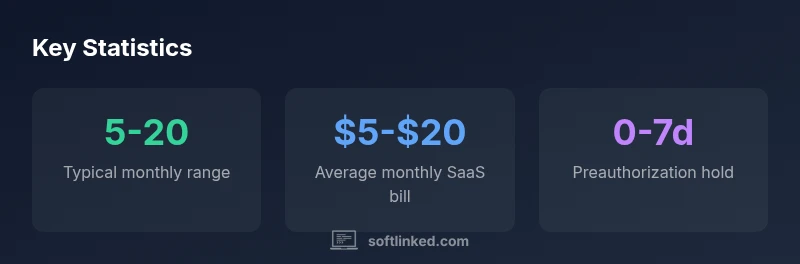
| Recurring subscription | $5-$20 per month | Canary or related merchant name on statement | Review receipts, verify subscription status, cancel if needed |
| Trial charges/Promotions | $0-$15 initial | Same merchant cluster | Check trial period duration, ensure cancellation before renewal |
| Preauthorization holds | 0-7 days | Bank/processor line items | Do not assume error; contact issuer if hold persists |
| One-time upgrades | $5-$50 | Vendor invoice line item | Confirm feature access and invoice before upgrading |
Your Questions Answered
What is Canary software charge on credit card?
A Canary software charge on your credit card usually represents a recurring subscription for a software service from Canary or an associated merchant. It may appear under a related name on your statement and can include a trial, renewal, or preauthorization. If unsure, review receipts and contact your issuer for details.
A Canary charge is typically a recurring software subscription; check receipts and contact your issuer if you’re unsure.
Why does the charge show a different merchant name?
Charges often post under a parent company or DBA name rather than the product brand. This can confuse users who don’t recognize the descriptor. Verify by cross-referencing the merchant’s legal name with your purchase history and vendor dashboard.
Charges may show a parent company name; check purchase history and vendor dashboards to verify.
How can I dispute a charge I don’t recognize?
Start with your card issuer’s dispute process. Provide the transaction ID, date, and any supporting receipts. If the merchant is legitimate but not authorized, request a cancellation and possible refund per policy. Keep records of all communications.
Use the issuer’s dispute process and keep documentation to support your case.
Is there a way to avoid recurring Canary charges?
Plan ahead by reviewing renewal dates, canceling unwanted subscriptions, and downgrading to free or lower-cost tiers when possible. Use reminder alerts before renewal and consolidate licenses to minimize redundancies.
Review renewals, cancel what you don’t need, and set reminders.
What documents should I keep for reviewing Canary charges?
Keep invoices, receipts, and email confirmations for each purchase. Save transaction IDs and any cancellation emails. These documents help resolve disputes quickly and prove subscription terms.
Keep invoices, receipts, and cancellation emails for quick dispute resolution.
What if I’m unsure whether a charge is legitimate?
If in doubt, treat it as potentially unauthorized and contact your issuer for guidance. Do not ignore the charge; documenting it helps the investigation and ensures you aren’t billed for something you didn’t authorize.
If unsure, contact your issuer and document the charge for investigation.
“Transparent software billing helps developers and students stay in control of subscriptions and avoid unwanted charges.”
Top Takeaways
- Identify the exact merchant name and charge date on your statement
- Differentiate trials, renewals, and preauthorizations before reacting
- Cancel or downgrade subscriptions you no longer need
- Keep receipts and document exchanges with the merchant
- Use issuer tools and budgets to monitor recurring software costs