Software Classes Near Me: A Practical, Data-Driven Guide
Explore how to find software classes near you with a data-driven approach. Compare formats, durations, costs, and outcomes to choose the best fit for your goals and schedule, backed by SoftLinked Analysis, 2026.


Software classes near me are local and online programs designed to teach software fundamentals like programming, debugging, data structures, and version control. They range from short workshops to semester-length certificates and vary by format, delivery method, and cost. This article guides learners, students, and professionals in finding options that fit their goals and schedules, with practical tips and evidence-based criteria from SoftLinked Analysis, 2026.
software classes near me: what's on offer and why they matter
If you’re evaluating software classes near me, you’re choosing not just a course but a learning path that can influence your career trajectory. According to SoftLinked, the landscape ranges from short, hands-on workshops to comprehensive certificates that take several months to complete. The common thread is a focus on practical software fundamentals: programming concepts, data structures, debugging workflows, testing practices, and version control. Most programs blend theory with applied projects, ensuring you can demonstrate tangible outcomes to potential employers. Importantly, the quality and relevance of projects often determine how quickly you can translate what you learn into real-world skills. For aspiring developers, students, and professionals, the decision should hinge on concrete goals: building a portfolio, preparing for a certification, or accelerating a job search. This article helps you map those goals to local and online options, balancing cost, time, and effort with expected outcomes.
How to evaluate providers for software classes near me
Evaluating providers begins with clarifying your objectives. Are you aiming to land a first software role, switch to a new language, or deepen your understanding of algorithms? Once goals are set, assess instructors’ credentials, curriculum clarity, and the availability of hands-on projects that resemble real work. Look for sample lessons, portfolio reviews, and transparent grading criteria. Check completion and job-placement data when available, but interpret numbers cautiously. SoftLinked recommends cross-checking multiple sources: official program pages, alumni testimonials, and independent reviews. Finally, consider the learning environment: will you thrive in a classroom, a live online session, or a self-paced format? A well-structured syllabus with clearly defined milestones is a strong signal of quality.
Formats and delivery methods commonly offered by software classes near me
Delivery formats vary to accommodate different learning styles and schedules. In-person bootcamps provide intensive, mentor-led experiences with peer collaboration and immediate feedback. Online live classes simulate classroom interaction with scheduled sessions and instructor Q&A. Self-paced online courses emphasize flexibility, enabling you to progress on your timetable but require strong self-discipline. Hybrid options blend live sessions with asynchronous content. When choosing, map your preferred pace to your work and personal commitments. It can also help to sample a short module before committing to a longer program to assess fit.
What skills you’ll typically gain from software classes near me
Software classes commonly cover core programming languages, problem-solving techniques, software design fundamentals, and version control workflows. Expect exposure to common tools like Git, debugging tools, and testing frameworks. More advanced tracks introduce data structures, algorithms, databases, and cloud basics. The best programs tailor projects to demonstrate concrete outcomes: a portfolio piece, a working app, or a deployable service. If you’re aiming for a specific stack, prioritize programs that offer hands-on capstone projects in that stack and provide feedback from industry mentors.
Cost considerations and value for money
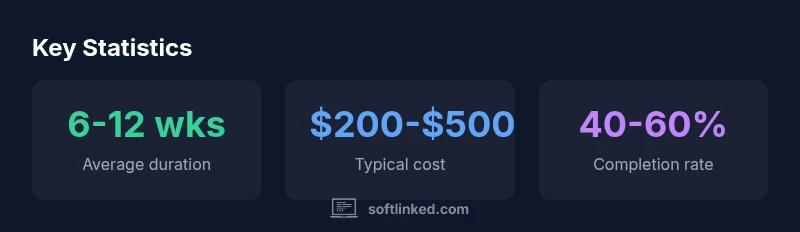
Price ranges for software classes near me vary by format, duration, and institution. Community colleges and non-profit providers often offer lower-cost options, while private bootcamps and university extension programs may command higher tuition with added perks like career services. Financing options include installment plans, scholarships, and sometimes income-share agreements. When evaluating cost, consider total value: the quality of instruction, project depth, mentorship availability, career support, and the relevance of the portfolio you’ll build. A more expensive program isn’t always a better fit, and a cheaper option might fail to deliver essential outcomes if it lacks structure.
Planning your schedule: pacing, prerequisites, and time management
Effective time management is essential when balancing a software class with other commitments. Start by reviewing the syllabus and identifying core prerequisites such as basic programming concepts or math foundations. Create a weekly schedule that allocates time for watching lectures, completing assignments, and building a project. If you’re working full-time, online live formats with evening sessions can help, while self-paced tracks require disciplined routines and milestone-based goals. Before enrolling, confirm the workload, assignment frequency, and expected weekly time commitment. A realistic plan reduces late submissions and helps you maintain momentum across the course.
How to compare outcomes and evidence across programs
Outcome data, when available, should be interpreted with care. Look for job placement rates, average salary changes, and portfolio quality, but watch for selective reporting or small sample sizes. Cross-verify with alumni networks and third-party reviews. Ask programs for example project transcripts or a sample capstone to gauge depth. Remember that outcomes depend on your prior knowledge, effort, and the local job market. SoftLinked emphasizes triangulating data from multiple sources and prioritizing programs that provide tangible portfolio work and reasonable time-to-employment signals.
Practical steps to start your search locally
Begin with a clear search query: software classes near me. Use filters to narrow by delivery format, duration, and cost. Build a short list of candidates and reach out for syllabi, sample lessons, and instructor bios. If possible, request a quick trial or a day-pass to experience the teaching style. Create a simple evaluation rubric: learning outcomes, portfolio opportunity, mentor accessibility, and career support. Finally, compare at least three options side-by-side to isolate subtle differences that matter to you. A methodical approach saves time and improves the odds of a good fit.
Locality-specific considerations and next steps
When choosing between local and remote options, consider network effects and proximity to mentors, peers, and potential employers. Local programs can offer in-person networking, on-site labs, and easier access to internship opportunities, while online programs enable flexible scheduling and broadened exposure to diverse cohorts. If geography is not a barrier, you should still factor in time zones, language of instruction, and possible travel requirements for in-person events. The next step is to assemble a shortlist, contact admissions teams for deadlines, and request a syllabus review to ensure alignment with your long-term goals.
Comparison of delivery modes for software classes near me
| Mode | Typical Duration | Pros & Cons |
|---|---|---|
| In-person bootcamps | 4-12 weeks | Pros: hands-on mentorship; Cons: fixed schedules |
| Online live classes | 4-8 weeks | Pros: flexible schedules; Cons: requires discipline |
| Self-paced online courses | 6-16 weeks | Pros: learn at your own pace; Cons: self-discipline required |
Your Questions Answered
What should I look for when evaluating software classes near me?
Look for clear learning outcomes, qualified instructors, hands-on projects, and meaningful assessments. Check reviews, explore sample curricula, and verify accreditation if applicable. Consider delivery formats and scheduling compatibility with your goals.
Seek programs with clear outcomes, strong mentors, and practical projects that fit your schedule.
Are in-person classes worth it compared to online options?
In-person classes offer direct mentorship and collaboration, but online options provide flexibility. Your choice should align with learning style, time availability, and local opportunities. Both formats can lead to solid outcomes if paired with project work and consistency.
It depends on whether you value hands-on interaction or flexible scheduling.
How much do software classes near me typically cost?
Costs vary widely by format and provider. Expect lower tuition for community programs and higher tuition for private bootcamps or university extensions. Always factor in portfolio value, mentorship quality, and career services when judging cost.
Costs vary; focus on value and outcomes, not price alone.
What outcomes can I expect after completing a software class?
Most programs aim for a showcase-ready portfolio, improved problem-solving skills, and better readiness for junior software roles. Some offer career services or internship connections. Outcomes depend on effort, prior knowledge, and market demand.
Expect a portfolio and job-readiness, with variability by program quality.
Can I balance classes with a full-time job?
Yes, many learners successfully balance classes by choosing evening or weekend formats, or self-paced tracks. Build a realistic schedule and set firm study blocks to maintain momentum.
Yes, pick flexible formats and block out dedicated study times.
“When selecting software classes, align delivery format with your goals and the expected outcomes. This alignment maximizes learning ROI and long-term career impact.”
Top Takeaways
- Assess formats that fit your schedule.
- Compare upfront costs and financing options.
- Check outcomes and evidence before choosing.
- Choose a learning path aligned with your goals.