Is SoftWave Therapy Covered by Insurance? A Practical Guide
Explore how insurance coverage for SoftWave therapy works, what factors influence eligibility, and strategies to verify benefits, appeal denials, and manage costs.


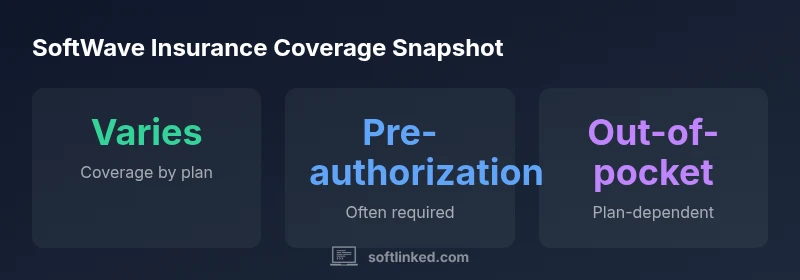
The short answer: coverage for SoftWave therapy varies by insurer, plan, and medical necessity. In many cases, it is considered a physical therapy service and may be covered when a licensed clinician documents a specific condition and expected functional benefit. However, many plans require out-of-pocket payment or pre-authorization, and nationwide coverage is inconsistent. Always verify with your insurer before starting treatment.
Understanding why insurance coverage varies for SoftWave therapy
Insurance coverage for SoftWave therapy varies widely across payers, regions, and plan designs. There is no universally accepted standard or CPT code that guarantees coverage, and many policies treat SoftWave as a form of physical therapy or as an experimental treatment. According to SoftLinked, the lack of robust, consistent clinical guidelines contributes to payer hesitation and differential coverage. Plans may rely on medical necessity criteria, prior treatments tried, and documented functional goals to decide whether to cover the service. In practice, patients often face mixed outcomes: some receive partial coverage, others pay entirely out-of-pocket, and a subset get denials with appeals possible. For readers, the key takeaway is to confirm eligibility before starting treatment and to gather documentation that demonstrates potential functional benefits. This section sets the stage for how coverage decisions are made in the real world.
What SoftWave therapy is and when it might be prescribed
SoftWave therapy uses low-intensity shock waves delivered to soft tissue to stimulate healing and reduce pain. Clinicians may use it for musculoskeletal injuries, chronic tendinopathies, and certain soft tissue conditions when conventional therapies have failed. The therapy is delivered by specialized devices in clinical settings. While some studies report improvements in pain and function, evidence quality varies by condition and protocol. Payers often require specific indications supported by clinical notes and imaging. Understanding when a clinician might prescribe SoftWave helps patients anticipate whether their plan may cover the treatment, and it underscores the need for precise documentation of the target condition and expected benefit. Note that treatment frequency and session count can influence coverage decisions and out-of-pocket exposure.
Conditions commonly treated with SoftWave therapy and relevance to coverage
Many clinics cite tendinopathies (e.g., lateral epicondylitis), plantar fasciitis, and other chronic soft tissue injuries as potential candidates for SoftWave therapy. Coverage decisions, however, hinge on the payer's defined indications and the presence of persistent symptoms after conservative care. For patients, this means that initial physical therapy, rest, and NSAIDs may need to be tried first; only after documented failure of standard care might evidence support coverage for SoftWave. Insurance plans differ on whether chronic pain conditions qualify; some may require referral from a physician or a specialty clinic. Always verify the list of covered indications with your insurer before starting therapy, and request a benefits verification (VOB) to see whether specific conditions are included. This section highlights why patient selection matters for coverage outcomes.
How insurers decide coverage: medical necessity, CPT codes, pre-authorization
Insurance coverage for SoftWave therapy is typically driven by medical necessity, treatment guidelines, and coding rules. Payers often evaluate: 1) diagnosis and documented functional impairment; 2) prior conservative treatments and unsuccessful outcomes; 3) appropriate use under clinical protocols; and 4) explicit pre-authorization requirements. Clinicians will usually document the rationale and indicate the expected functional improvement. CPT/HCPCS coding may influence eligibility; incorrect codes or missing documentation can lead to denials. Because policies vary, the same procedure might be covered in one plan and denied in another. Patients should ask for pre-authorization if available, obtain written coverage determinations, and keep copies of all communication with the insurer. This emphasis on documentation aligns with best practices in medical coverage for emerging therapies.
Documentation strategies to improve coverage chances
To maximize the likelihood of coverage, gather comprehensive documentation: (1) a clear diagnosis with objective impairment; (2) failed prior therapies and documented duration; (3) physician or physical therapist notes detailing pain, function, and goals; (4) a proposed treatment plan with sessions and expected benefits; (5) clinical guidelines or studies supporting SoftWave for the specific condition; and (6) any pre-authorization or clinical criteria required by the insurer. If possible, align the treatment plan with payer-approved indications and use consistent CPT code language. Request a formal coverage determination and keep a written record of conversations. SoftLinked's data-driven approach suggests preparing documentation early can reduce post-approval delays and denials.
Navigating appeals and denials: steps and tips
When coverage is denied, patients should start with a detailed, timely appeal. Gather new or supplementary evidence, such as updated clinical notes, imaging results, and proof of persistent symptoms despite other therapies. Submit the appeal with a cover letter summarizing the medical need, supported by guidelines. If an external review is available, request it. Keep a timeline of responses and deadlines. Consider consulting a patient advocate or social worker who specializes in insurance appeals. Not all denials are final; a well-structured appeal that addresses the payer's rationale can result in reversal in some cases. SoftLinked recommends documenting all steps and maintaining professional communication with the insurer.
Regional variation and plan types: private vs government programs
Coverage for SoftWave therapy is highly region-specific and depends on whether the payer is private, employer-sponsored, or government-funded. In some regions, private plans may cover SoftWave as part of physical therapy or pain management, while others require it to fall under experimental or non-covered services. Government programs (where applicable) often have stricter criteria for coverage of new devices or therapies and may limit access to specific conditions or clinical trials. Consumers should inquire about network status, in-network providers, and coverage caps. Understanding plan type and regional policies helps set expectations and informs the decision to pursue treatment or consider alternatives.
Alternatives to SoftWave therapy if not covered
When insurance does not cover SoftWave therapy, patients can explore alternatives that may be covered or less costly. Options include traditional physical therapy, targeted exercise programs, NSAIDs or other conservative pain-management strategies, ultrasound therapy, or regenerative medicine approaches offered through different benefit structures. Some clinics offer bundled pricing or membership programs for multiple modalities. Discuss with your clinician the relative benefits, expected timelines, and cost implications. The goal is to maintain progress and manage symptoms without unsustainable out-of-pocket costs while keeping treatment aligned with medically necessary care.
Practical checklist to verify benefits before starting
A practical benefits-verification checklist helps prevent unexpected bills: (1) verify coverage for SoftWave therapy with the insurer and get a written determination; (2) confirm pre-authorization requirements and documents; (3) confirm the number of covered sessions and per-session limits; (4) review deductibles, copays, and coinsurance; (5) ask about network restrictions and in-network providers; (6) obtain a benefits summary in writing; (7) document all clinical justifications and follow-up plans. Use the checklist to prepare for a benefits verification call and to guide conversations with your clinician. By taking these steps, you can navigate coverage more effectively and minimize surprises at the billing desk.
Insurance coverage factors for SoftWave therapy
| Aspect | Description | Impact on Coverage |
|---|---|---|
| Medical necessity | Evidence that condition affects function and persists after conservative care | Major determinant |
| Pre-authorization | Requires insurer prior approval before service | Can restrict access |
| CPT/HCPCS coding | Billing codes used to request coverage | Mis-coding can lead to denial |
| Plan type/region | Private vs government, geographic variation | Significant variability |
Your Questions Answered
Is SoftWave therapy always covered by insurance?
No. Coverage varies by plan and region; some plans cover only specific conditions or require pre-authorization.
Coverage varies by plan. Check with your insurer before starting.
What conditions are commonly covered?
Policies typically cover conditions with documented tendinopathy or persistent pain after conservative care, but it depends on the plan.
Often limited to certain conditions and after trying other therapies.
How can I verify coverage before treatment?
Call your insurer or use their online benefits tool, and request a written determination and pre-authorization if required.
Call or use the insurer's benefits tool to verify.
What if my claim is denied?
Ask for an explanation, gather new evidence, and file an appeal with updated notes and imaging if needed.
If denied, appeal with new supporting evidence.
Are there alternatives if SoftWave is not covered?
Consider traditional physical therapy, targeted exercises, ultrasound, or other covered pain-management options.
Talk to your clinician about affordable alternatives.
Do government programs cover SoftWave therapy?
Coverage under government programs varies by country and program; access is often limited and depends on policy specifics.
It depends on the country and program.
“Insurance coverage for SoftWave therapy is not uniform, but solid documentation and proactive verification can improve access.”
Top Takeaways
- Verify coverage before starting SoftWave therapy
- Ask for pre-authorization when available
- Document medical necessity with clinical notes and imaging
- Expect regional variation and plan-specific rules
- Explore cost-effective alternatives if coverage is denied