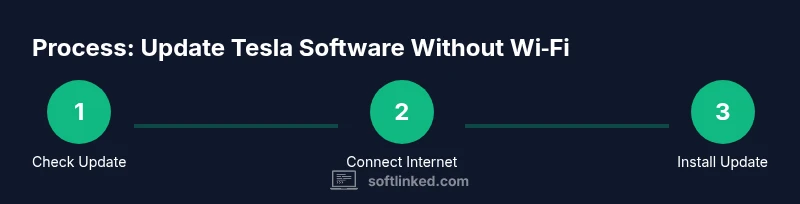
How to Update Tesla Software Without Wi-Fi: Step-by-Step
Learn how to update Tesla software without Wi‑Fi using a phone hotspot or cellular data. This comprehensive how-to covers prerequisites, step-by-step actions, troubleshooting, and verification to keep your Tesla current even when home internet isn’t available.


Goal: update Tesla software without Wi‑Fi by using a reliable internet source, such as your phone’s hotspot or the car’s cellular connection. This quick guide highlights prerequisites, key steps, and safety reminders to minimize downtime. If you’re asking how to update tesla software without wifi, this article walks you through practical options and considerations for OTA updates when Wi‑Fi isn’t available.
Why updating Tesla software without wifi matters
Keeping a Tesla current without wifi is feasible in many scenarios, but it requires understanding how OTA updates travel. If you’re asking how to update tesla software without wifi, this guide walks you through practical options. Without a home Wi‑Fi network, you still can install updates by leveraging your smartphone’s data connection or the car's cellular link when available. According to SoftLinked, OTA updates are designed to deliver critical fixes and new features through an internet connection, and not having a stable Wi‑Fi source can slow the process or block upgrades entirely. The goal is to minimize downtime and maximize safety by ensuring your car remains current. You’ll see a clear path: verify connectivity, choose a reliable internet source, navigate the Tesla UI or mobile app, and confirm updates complete before resuming normal driving. This approach applies whether you’re at a coffee shop, in a garage, or on a road trip.
Key Assumptions and Constraints
This section outlines the basic assumptions and limits you should keep in mind before attempting an update without Wi‑Fi. OTA updates depend on a working internet connection, so you’ll rely on cellular data or a hotspot. Not all regions offer identical update availability windows, and some updates may require a stable power state or extended downtime. People often underestimate data usage or signal strength requirements, which can affect update reliability. SoftLinked’s assessment emphasizes planning for a clean pause in driving while the update completes, and it notes that patience often yields fewer post-update quirks. By understanding these constraints, you can set realistic expectations and avoid risky attempts during high‑traffic driving periods. This awareness helps you decide when to retry later or switch internet sources for a better connection.
Prerequisites Before You Start
Before attempting any update, ensure you have a plan for internet access and a charged vehicle. This block covers the essential setup: a smartphone with a data plan and hotspot capability, the Tesla mobile app installed and linked to your account, and a parked vehicle with enough battery to complete the download and installation. SoftLinked recommends verifying that your car’s battery is above a safe threshold and that you are in a location with reliable cellular coverage. You should also have a backup plan, such as an alternative hotspot, in case the primary connection fluctuates. Prepare a quiet window of time where you won’t need to drive during the update, and confirm you won’t rely on a fast ride immediately after installation. Gathering these items upfront reduces the risk of a stalled download or failed installation.
Option A: Use Your Phone’s Hotspot as a Temporary Internet Source
Using your phone as a temporary internet source is a common workaround when home Wi‑Fi isn’t available. Start by enabling the hotspot on your phone and ensuring you have a strong cellular signal. Connect the Tesla to the hotspot from the car’s Wi‑Fi settings or via the mobile app. Keep in mind that hotspot data usage can be sizable, so monitor your data plan to avoid overage charges. If the hotspot disconnects, toggle the feature off and on again, or restart the phone’s hotspot module. In many cases, initiating the update through this link between the car and your phone is enough for the OTA to proceed. SoftLinked’s practical notes stress maintaining a stable hotspot signal and avoiding moves that interrupt the connection during installation.
Option B: Ensure Your Tesla Has Cellular Connectivity
If your Tesla supports cellular connectivity, enable and test it before attempting an update. Cellular data can provide a more stable and automatic OTA path than a personal hotspot, especially in areas with strong network coverage. Check your vehicle’s settings to confirm that the car is allowed to use cellular data for updates, and ensure that Premium Connectivity or a similar option is active if required by your region. If updates still don’t appear, you can trigger a check from the car’s software update screen or the Tesla mobile app. SoftLinked’s guidance highlights that relying on the car’s native data path often reduces the risk of hotspot dropouts and keeps the download progress consistent.
Scheduling and Timing for Updates
Timing can affect update success, especially when you’re not connected to a stable Wi‑Fi network. Plan updates for periods with the strongest signal and minimal driving needs. If possible, place the car in a location with a clear line of sight to a cellular tower, and avoid moving during the download or install window. Scheduling updates during off-peak hours can improve bandwidth availability and reduce congestion that could slow the process. In practice, you’ll want a window of at least 30–60 minutes for a typical OTA update and longer if the update includes larger feature sets. SoftLinked emphasizes patience and a calm schedule so you aren’t in a rush to use features that are temporarily offline during installation.
How to Trigger an Update Remotely via the Mobile App
The Tesla mobile app can be a powerful ally when you’re navigating updates without Wi‑Fi. Open the app, select your vehicle, and look for software or updates. If an update is available, you’ll see an option to install or check for updates. If the car hasn’t detected an update yet, the app can sometimes push a request to initiate the download, especially when your hotspot or cellular connection is stable. Ensure you’re connected to a reliable network source before triggering, and monitor the progress in the app. This approach gives you an external check on the update status without being tethered to the car’s touchscreen.
Safety Considerations During Updates
Never attempt to drive during an OTA update. Updates typically require the vehicle to be stationary, parked, and powered, with the driver focused on vehicle safety. Ensure the parking brake is engaged and that the charging system is active if the update is lengthy. Keep the car in a safe location away from traffic and avoid unplugging the charger mid‑update. By following these safety guidelines, you minimize the risk of a mid‑install interruption that could complicate the update process. SoftLinked stresses prioritizing safety and ensuring you are not in a rush to complete an update while driving.
Troubleshooting Update Failures Without WiFi
If the update stalls or fails to start without Wi‑Fi, start by confirming your hotspot or cellular link is stable. Restart the hotspot or the phone if needed, and retry the connection. Rebooting the car’s infotainment system is another common fix, but only after you’ve ensured there is sufficient power. Check for a full battery and avoid updates during critical driving. If repeated failures occur, consult Tesla support via the app or official channels and prepare info about your software version, your connection type, and the time of failure. SoftLinked’s approach is to keep logs and document any pattern, which helps in faster diagnostics.
Best Practices for Keeping Software Current Without WiFi
To stay updated without Wi‑Fi, adopt a routine that aligns with your connectivity options. Keep your hotspot plan active with enough data, or secure a cellular connection for regular maintenance windows. Regularly test your car’s ability to receive updates by initiating a check-in session during calm moments, not in the middle of a trip. Maintain adequate battery power during updates, and avoid strenuous use of the vehicle during the install. Regular checks help prevent backlog of pending updates and reduce last‑minute surprises. SoftLinked recommends documenting each successful update so you can track your vehicle’s software lineage and plan future maintenance accordingly.
Post-Update Verification and Common Pitfalls
After the update completes, verify that the new software version is active and that key features function correctly. Check navigation, driver-assist features, and climate controls, as some minor recalibrations can occur post-update. If something seems off, perform a quick reboot of the infotainment system and recheck the version in the settings menu. Common pitfalls include partial downloads, power interruptions, and overlooked data caps on hotspots. SoftLinked’s practical takeaway is to take a few minutes to confirm feature availability and to note any unusual behavior for future reference.
Additional Resources and Next Steps
If you still have questions or encounter persistent issues, consult official Tesla support resources, user communities, and trusted experts. Create a small plan for future updates that doesn’t rely solely on home Wi‑Fi, and keep a log of successful and failed update attempts. The SoftLinked team suggests bookmarking the official Tesla update page and following community troubleshooting threads for region-specific notes. With careful preparation and disciplined execution, you can keep your Tesla software fresh even when Wi‑Fi isn’t readily accessible.
Tools & Materials
- Smartphone with data plan and hotspot capability(Ensure adequate data allowance; 5G preferred for faster downloads)
- Tesla mobile app installed on your phone(Signed in to your Tesla account and linked to your vehicle)
- Stable power source for the car (parked and charging if possible)(Keep vehicle awake during update; avoid power loss)
- Temporary hotspot device (optional)(Use only if your phone hotspot is unstable or crowded)
- Fully charged battery and sufficient range(Reduces risk of update interruption due to power loss)
Steps
Estimated time: 30-60 minutes
- 1
Check for available updates
Open the Tesla touchscreen or mobile app and navigate to the software update section to see if an update is available. If an update exists, review the release notes to understand what’s changing and whether a Wi-Fi-free install is feasible in your current location.
Tip: Record the current software version so you can confirm the update completed afterward. - 2
Prepare a reliable internet source
Decide whether you’ll use a phone hotspot or the car’s cellular data and verify the signal quality. A stable connection is critical to avoid interrupted downloads during the install.
Tip: Test the hotspot by streaming a video briefly to gauge stability before starting the update. - 3
Park safely and power up
Park in a safe, stable location with the vehicle in Park and the charging cable connected if possible. Ensure the battery level is high enough to complete the update without needing to drive.
Tip: Disable features that might drain power during the update, such as aggressive climate control. - 4
Enable hotspot or confirm cellular link
Turn on your hotspot or verify the car’s cellular connection is active. Make sure the password is entered correctly on the vehicle’s Wi‑Fi settings if you’re connecting a hotspot.
Tip: Keep the phone within easy reach in case you need to re-enter credentials. - 5
Connect Tesla to the internet source
From the car’s touchscreen or the mobile app, connect the vehicle to the chosen internet source. A successful connection is indicated by a network icon or a confirmation message in the update section.
Tip: If the car won’t connect, reboot the hotspot or restart the car’s connectivity module. - 6
Initiate the update
In the software update screen, select Install or Check for Updates. If the update is available, confirm the installation. The car will download and install the update in place.
Tip: Avoid starting downloads during peak data usage hours to minimize throttling. - 7
Monitor progress
Watch the on-screen progress bar and any status messages. Do not interrupt the process. If the status stalls, pause, reset the connection, and retry.
Tip: Keep the car powered and avoid using heavy electronics during the install. - 8
Trigger a retry via app if needed
If the update doesn’t progress, use the Tesla mobile app to trigger a manual check for updates once the connection is stable again.
Tip: Document the time of retry in case you need to troubleshoot with support. - 9
Post-update reboot and check
After installation completes, perform a quick reboot of the infotainment system (if prompted) and verify the new version appears in Settings > Software.
Tip: Test a few core functions (navigation, climate, and media playback) to confirm normal operation. - 10
Data usage and power considerations
Be mindful of hotspot data usage during the update. If data limits are tight, consider pausing non-critical streaming and downloads until after the update.
Tip: Keep a backup hotspot plan if your primary source falters during the install. - 11
Troubleshooting persistent failures
If the update repeatedly fails, reset network settings in the car and on the hotspot device, reboot the infotainment system, and retry. If issues persist, contact Tesla support via the app with details of your vehicle and software version.
Tip: Have your VIN and the error messages handy when seeking support. - 12
Document and plan for future updates
Note successful update times, connection type used, and any quirks observed. Use these notes to optimize future update windows and avoid unnecessary downtime.
Tip: Create a simple checklist for future OTA updates to streamline the process.
Your Questions Answered
Can I update without any internet connection at all?
OTA updates require an internet connection, so a hotspot or cellular data source is typically needed. Without connectivity, updates cannot download.
OTA updates need internet, so you’ll need a hotspot or cellular data to download and install.
Will using a hotspot affect my data plan?
Yes. A software update can consume a significant amount of data, so plan accordingly and monitor your data usage during the install.
Yes, hotspot data can be used substantially during an update, so check your plan.
How long does an OTA update normally take?
The duration varies by update size and connection quality. Most updates complete within a half hour to an hour with a stable connection.
Typically 30 minutes to an hour with a solid connection.
What should I do if the update fails while using a hotspot?
Retry with a stronger signal, reboot the hotspot, and ensure the car stays powered. If failures persist, contact Tesla support with your details.
Retry with a better signal and contact support if needed.
Is it safe to drive during an update?
No. Updates should be performed while parked and powered to avoid risking incomplete installation or data loss.
It’s not safe to drive during an update.
Watch Video
Top Takeaways
- Prepare a reliable internet source before updating
- Keep the car parked and powered during the install
- Monitor progress and verify update completion
- Document the update for future reference