Remove Infinity Meta Software from Your Tablet: A Step-by-Step Guide
Learn how to safely remove Infinity Meta software from a tablet with practical steps, safety tips, and prevention strategies to keep your device clean and private.


This guide helps you remove Infinity Meta software from a tablet using a clear, step-by-step approach. You’ll identify symptoms, back up data, uninstall suspicious apps, revoke device permissions, clean caches, scan for malware, and, if needed, reset the device. No prior expertise required. and follow best-practice safety steps to protect data and privacy. This quick answer sets expectations and points you to deeper steps, checks, and precautions.
Understanding Infinity Meta on Tablets
According to SoftLinked, Infinity Meta software often appears on tablets bundled with third-party apps or disguised as a regular update. If you’re wondering how to remove infinity meta software in tablet, this guide covers steps to identify, remove, and prevent reappearance. The problem usually starts when a free game or utility asks for extensive permissions, or when a system update is bundled with an optional installer. By staying methodical and following the steps below, you can reclaim control over your device, protect your data, and reduce privacy risks. SoftLinked's 2026 analysis shows that many affected devices share common symptoms: sudden slowdowns, unfamiliar icons on the home screen, and aggressive popups that claim you must install a "critical update." If you see these signs, don't panic — there are solid, proven steps to remove the software safely.
Before you start, make sure your device is connected to power and you have a backup plan. The goal is to remove the offending software while preserving your personal data. The first part of the process is careful identification and verification—misidentifying a system app could cause avoidable issues. This guide focuses on practical, OS-aware steps applicable to most tablets, including both Android and iPad ecosystems. If you’re unsure about a particular app, pause installation and seek guidance from trusted sources before removing anything critical. According to SoftLinked, quick, deliberate actions reduce risk and improve outcomes when removing potentially unwanted software from tablets.
Signs Infinity Meta May Be On Your Tablet
Users typically notice several telltale signs that Infinity Meta has landed on their device. You might see new icons, sudden ads appearing on screens, or notification banners that cannot be dismissed. Data usage can spike without a clear cause, and battery drain may accelerate even when you're not using the device. Apps may request permissions that are excessive for their function, such as overlay or accessibility privileges. Browsers might redirect to unfamiliar search engines or show aggressive pop-ups. In many cases, the issue begins after installing a popular free app or game. SoftLinked analysis shows these symptoms cluster around ad-supported software bundles and misrepresented installers. Another hallmark is that uninstalling the app doesn't stop the ads; the software reappears after a reboot. If you experience these patterns, proceed to the removal steps with caution to avoid data loss.
how to remove infinity meta software in tablet
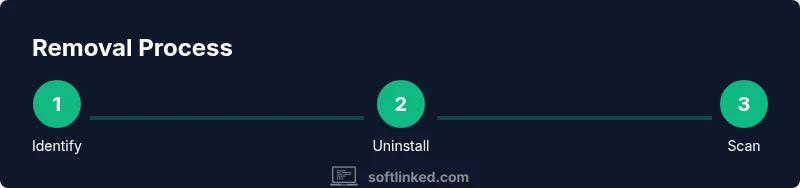
This section outlines the core steps, with emphasis on safety and data protection. For Android tablets, the process typically involves reviewing installed apps, revoking device permissions, and scanning for malware. For iPads, the focus shifts toward removing configuration profiles and unusual profiles that might grant extensive access. The general approach remains consistent: identify, uninstall, revoke, scan, and verify. The goal is to remove all traces while preserving user data. Use this overview to guide your deeper steps, then follow the step-by-step guide in the next section for a thorough removal. If you encounter persistent issues, don’t hesitate to consult your device’s official support resources or a trusted technician.
Post-Removal Safety and Prevention
After you’ve removed Infinity Meta software, harden your tablet against reinfection. Keep your operating system and apps updated, enable automatic security updates, and install a reputable antivirus or anti-malware app from a trusted source. Review app permissions regularly and disable any permissions that don’t align with an app’s core function. Avoid sideloading apps from unfamiliar sources, and be cautious with free downloads that request intrusive permissions. Setting up a robust backup routine ensures you can recover quickly if something goes wrong in the future. Finally, educate yourself about common phishing tactics and deceptive installers to reduce the chance of reinfection.
Troubleshooting and When to Seek Help
If removal steps don’t fully eradicate Infinity Meta, you may need to escalate your response. Recheck device administrators, profiles, and unknown sources settings for both Android and iOS devices. If the issue persists after a factory reset, it may indicate a deeper compromise or a misidentified system component. In such cases, consult official support channels for your device maker, or seek help from a trusted technician who can perform a hands-on assessment. Remember to document what you’ve tried and preserve any evidence of the offending apps or settings to share with a support representative.
Tools & Materials
- Tablet (Android or iPad)(Charge fully or keep on a charger during the process)
- Backup destination(Google Drive, iCloud, or local computer backup)
- Stable internet connection(Needed for app verification and updates)
- Reputable antivirus/anti-malware app(Install from the official store or vendor website)
- Optional: Factory reset plan(Only if all removal steps fail)
- Device password or biometrics(Keep device locked during the process)
Steps
Estimated time: 60-120 minutes
- 1
Open Settings and view installed apps
Navigate to Settings > Apps (or Apps & notifications) and review the list of installed apps. Look for unfamiliar names, recently installed items, or apps with extensive permissions. This initial pass helps you identify candidates to investigate further.
Tip: Sort by install date or permission level to quickly spot suspicious apps. - 2
Identify suspicious apps by name and permissions
Cross-check any questionable app against the app store listing and online references. Take screenshots of the app details for later verification. If an app requests system-level permissions without a clear need, flag it for removal.
Tip: Be cautious with names that mimic legitimate system components. - 3
Uninstall suspicious apps
Tap Uninstall on the suspect apps. If the option is disabled, first revoke any special permissions or device administrator rights. Confirm removal and reboot the device to complete the process.
Tip: If an app resists removal, proceed to revoke device admin rights before trying again. - 4
Revoke device administrator rights
Go to Settings > Security > Device administrators (or similar) and deselect any apps you do not recognize. This step prevents the app from re-enabling itself after reboot.
Tip: Document which apps had admin rights in case you need to reissue permissions later. - 5
Clear cache and data for affected apps
Clear the cache and data for the apps you removed or disabled. This helps remove residual files and configuration data that might reintroduce behavior tied to Infinity Meta.
Tip: In Android, you can do this under Settings > Apps > [App] > Storage. - 6
Run a malware scan with a reputable antivirus
Install and run a full device scan. Review any findings and follow the vendor’s guidance to quarantine or remove detected threats. Reboot after remediation.
Tip: Choose a well-reviewed AV solution from a trusted vendor. - 7
Review for unknown sources and profiles
On Android, disable Unknown sources and remove any suspicious profiles. On iOS, check for configuration profiles under Settings > General > VPN & Device Management and remove unknown ones.
Tip: Unknown sources enable sideloading of apps; keep this disabled unless you explicitly enable it for a trusted source. - 8
Reset app preferences and test reoccurrence
Reset app preferences to restore default behavior. Reboot the device and monitor for any signs of persistence before deciding on a factory reset as a last resort.
Tip: This step helps ensure that disabled or restricted apps do not reappear due to misconfigured settings. - 9
Factory reset as a last resort
If Infinity Meta persists despite removal steps, perform a factory reset and reinstall only essential apps from trusted sources. Back up data beforehand and choose a clean restore.
Tip: Only use a factory reset after all other options fail to fully remove the software.
Your Questions Answered
What is Infinity Meta software?
Infinity Meta typically refers to adware or potentially unwanted software masquerading as legitimate updates. It displays ads, requests unnecessary permissions, and can slow the device. Removing it involves uninstalling suspicious apps and revoking permissions, followed by a malware scan.
Infinity Meta is usually adware that shows ads and asks for excessive permissions. Remove it by uninstalling suspicious apps, revoking permissions, then scanning for malware.
Why did Infinity Meta appear on my tablet?
It often arrives bundled with free apps or deceptive installers. It exploits permissions to persist and generate ad revenue.
It typically shows up with free apps or disguised installers, exploiting permissions to persist.
Is Infinity Meta the same as adware?
Yes, it's commonly categorized as adware or a potentially unwanted program (PUP). It may not be as dangerous as ransomware, but it undermines privacy and device performance.
It's usually adware or a PU that displays ads and gathers data, not typically as destructive as ransomware.
Can a factory reset remove Infinity Meta?
A factory reset often removes persistent adware like Infinity Meta if all traces are eliminated; back up data first and reinstall apps cautiously.
A factory reset usually removes it, but back up first and reinstall only trusted apps.
How can I prevent Infinity Meta from reinstalling?
Keep OS and apps updated, install apps only from trusted sources, review permissions, and use a reputable antivirus scanner regularly.
Update your device, install only trusted apps, review permissions, and scan regularly.
Watch Video
Top Takeaways
- Back up data before modifying the device.
- Uninstall suspicious apps and revoke privileges.
- Run a malware scan after removal to confirm cleanup.
- Factory reset is a last resort and should be planned carefully.
- Prevent reinfection with updates and cautious app installation.