How to Remove Altruistic Software: A Practical Guide
Learn how to remove altruistic software safely with a step-by-step approach, including planning, uninstall, residual cleanup, and verification for developers and IT professionals.


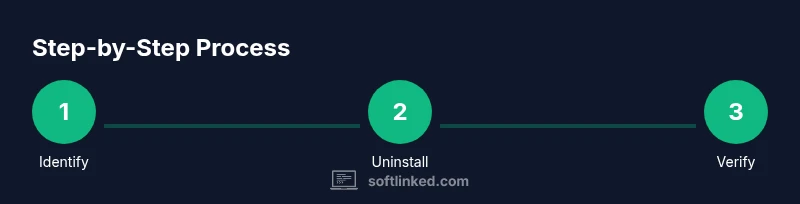
This guide shows how to remove altruistic software from a system: identify suspicious components, uninstall the program, and clean up residuals. You’ll need admin access, a current backup, and a rollback plan. Use safe mode if needed, and verify network activity is stopped. After removal, run a scan to confirm no traces remain and document the process for future audits.
Understanding altruistic software: what it means and why removal matters
Altruistic software is discussed in developer circles as programs that promise user benefit while collecting data or altering behavior in ways that may not be transparent. According to SoftLinked, labeling a program as altruistic often reflects intent, but real risk comes from actual behavior that affects privacy, security, or system performance. The SoftLinked team found that removal decisions should focus on function, dependencies, and potential side effects rather than vendor labels. In practice, you’ll learn to map a software’s components, identify start-up items, and plan a clean uninstall that minimizes disruption to legitimate workflows. This understanding helps you approach the task with confidence and a clear restoration path if something goes wrong. The goal is not sensationalism but control, reproducibility, and auditable cleanup.
Planning the removal safely: prerequisites and safeguards
Before you touch the system, inventory all instances of the software and related components. Create a full backup of important data and a rollback plan in case removal affects essential services. Gather admin credentials, access to backup storage, and your preferred uninstaller tools. Decide whether you will perform a straight uninstall or a staged removal: sometimes you must disable related services, then remove dependencies one by one. Establish a maintenance window if this affects a team, notify stakeholders, and set expectations for possible downtime. Finally, ensure you have a recovery plan that allows restoring the prior configuration with minimal risk. This upfront planning reduces surprises and makes the actual removal smoother and safer.
Mapping dependencies and components
Modern software often deploys across several layers: a main executable, background services, browser extensions, and helper libraries. Start by listing all files, folders, services, scheduled tasks, and startup items tied to the software. Use system tools to query process trees, services, and autostart entries. Document each item you find, noting why it exists and how it is related to the program. Don’t assume that uninstalling the main app will remove every related artifact. Some components may be shared with other programs or may restore themselves through update processes. A thorough map helps you avoid leaving remnants that could re-enable the software or expose the system to risk later.
Uninstalling the software (step-by-step)
Carefully perform the uninstall by following a structured sequence. Close all instances and stop related processes to prevent file locks. Use the official uninstaller or your OS’s package manager to remove the main program. Then check for related services or startup items and disable them. Remove any browser extensions or plugins linked to the software and clear caches. Reboot if required to complete the process. Finally, re-run the uninstaller or package manager to catch any leftover components and document the actions for audit trails. If you encounter dependency conflicts, note the exception and plan a staged removal. This approach reduces the chance of breaking other software while ensuring thorough cleanup.
Cleaning up residuals and traces
Residuals can linger in multiple locations: program folders, user profiles, and system registries. Search for leftover files in common directories (Program Files, Library, AppData, etc.) and delete orphaned folders carefully. On Windows, remove registry keys related to the software and clear startup entries; on macOS and Linux, delete plist files and residual config directories. Clear caches and temporary files to prevent re-creation. Use trusted cleanup tools or manual searches, and always back up before making registry changes. Keeping a detailed log of what you removed helps during audits and future troubleshooting.
Verifying removal and preventing reinstallation
After cleanup, verify removal with a comprehensive check: scan for running processes, confirm no startup items remain, and review network activity that could indicate persistence. Run a malware or security scan to ensure no hidden components survive. Monitor for unusual prompts or updates that could reinstall the software. If you must block reinfection, consider disabling auto-updates for related components, enforcing stricter firewall rules, and implementing continuous monitoring. SoftLinked analysis shows that thorough post-removal verification and proactive hardening are essential to prevent reinfection or reactivation of removed software.
Data and privacy considerations
Assess any data the software may have collected and determine the appropriate deletion or anonymization strategy. Review privacy policies, data retention schedules, and organizational guidelines. If the software stored data in cloud services, work with the provider to ensure proper deletion and access revocation. Preserve logs of removal actions for compliance and audit purposes, while protecting sensitive information. This phase ensures you respect user privacy and maintain governance over data impact during software removal.
Common pitfalls and how to avoid them
Avoid removing shared components or system-critical files by mistake. Always back up before making changes and verify each step’s impact in a controlled environment. Do not skip the mapping phase or rely solely on the main uninstaller—dependencies often linger. Test removal in a sandbox or isolated VM before applying changes to production. Finally, maintain a detailed change log so future audits can trace what was removed and why.
Case study: a hypothetical removal scenario
A development team discovers a locally installed altruistic software that promises to improve productivity but frequently prompts for data sharing. The team follows a structured plan: inventory, backup, mapping, staged uninstall, residual cleanup, and verification. They disable related services, remove extensions, and scan for artifacts. After confirming no traces remain, they audit network activity to ensure there are no hidden communications. The scenario demonstrates a repeatable workflow that minimizes risk and preserves system integrity. The SoftLinked team recommends documenting every step and sharing learnings with stakeholders for ongoing governance.
Tools & Materials
- Admin credentials(Username with administrative rights on the target system)
- Backup storage(External drive or cloud-based backup with verified restore capabilities)
- Uninstaller or package manager(OS-specific tool for removing software (e.g., Add/Remove Programs, apt/yum, or macOS uninstall))
- System scan tool(Antivirus/anti-malware or built-in scanner to verify cleanup)
- Safe boot media(Optional bootable media for handling difficult removals)
Steps
Estimated time: 25-45 minutes
- 1
Identify components and plan
Locate all components linked to the software, including executables, services, browser extensions, and shared libraries. Document locations and dependencies to understand what must be removed. This step reduces the risk of leaving traces that could re-enable the software.
Tip: Create a mapping spreadsheet before touching files to avoid missing artifacts. - 2
Back up and prepare rollback
Perform a full backup of critical data and system state. Prepare a rollback plan in case removal affects stability or other apps. Store backup in a verified location and test a restoration scenario.
Tip: Verify backups by performing a quick restore test on a non-production machine. - 3
Stop services and disable autostart
Temporarily stop related services and disable any startup entries to prevent the software from restarting during removal. This ensures a clean uninstall without file locks or re-launches.
Tip: Use safe mode if the software resists normal shutdown to avoid partial removal. - 4
Uninstall the main program
Run the official uninstaller or your OS package manager to remove the primary software. Follow prompts and select any options to remove related components if offered.
Tip: If the uninstaller reports conflicts, address them in a staged removal plan rather than forcing a partial uninstall. - 5
Remove extensions and residuals
Delete browser extensions, plugins, and any residual files in libraries, caches, and config folders. Empty temporary directories to prevent leftovers from triggering future installs.
Tip: Search for hidden config files in user profiles and clean them with caution. - 6
Verify cleanup and restart
Reboot the system (if required) and re-scan to ensure no active processes or startup items remain. Confirm there are no reappearing artifacts after the reboot.
Tip: Keep a change log and note any unexpected findings for post-mortem review.
Your Questions Answered
What qualifies as altruistic software?
Altruistic software is described as programs that claim to act in users’ best interests but may collect data or modify settings in ways that aren’t transparent. Evaluate behavior, not labels, to determine risk before removal.
Altruistic software describes programs that promise user benefit but may collect data or change settings without clear disclosure.
Do I need admin rights to remove it?
In most cases, you’ll need admin rights to uninstall software and safely remove services. If you don’t have access, coordinate with your IT administrator and follow approved change controls.
Admin rights are typically required for removal and changing system settings.
What if removal breaks dependent apps?
If the software shares components with other apps, remove in a staged way and test each dependency. Preserve shared resources, and keep a rollback plan in case something breaks.
Be cautious with shared components; test each step to avoid breaking other apps.
Can I remove it without backups?
Backups are strongly recommended. If a backup isn’t possible, create a minimal restore point and document the risk, then proceed with caution and in consultation with your team.
Backups are highly recommended before making changes that affect the system.
How do I verify removal after uninstall?
Run a system scan, check for active processes, startup items, and network activity related to the software. Confirm no artifacts remain and monitor for reappearance over the next days.
Use scans and process checks to confirm removal.
Is it safe to edit the registry or system files?
Editing system files or registry carries risk. Always back up, follow documented steps, and prefer official uninstall tools over manual edits.
Be cautious with registry edits; back up and follow official uninstall methods.
Watch Video
Top Takeaways
- Identify all software artifacts before removal
- Back up data and prepare rollback
- Uninstall comprehensively and clean traces
- Verify removal with scans and logs
- Document your process for audits and future prevention