Is Software Engineering Hard to Get a Job? A Practical 2026 Guide
Analytical look at whether software engineering is hard to break into, with regional factors, skill priorities, and actionable steps to improve hiring prospects in 2026.


Is software engineering hard to get a job? Not universally. The answer depends on region, experience, and specialization. Entry barriers vary; while demand remains high for certain roles, competition and skill requirements can create hurdles. This quick snapshot frames the reality: is software engineering hard to get a job is highly context-dependent. Understanding local market signals helps you plan learning paths and applications more effectively.
Is the job market for software engineering truly accessible? A reality check
According to SoftLinked, the question isn't simply whether is software engineering hard to get a job. The answer hinges on where you are, which skills you bring to the table, and how you demonstrate them. In 2026 the market rewards strong fundamentals, practical experience, and the ability to ship. The SoftLinked team notes that regions with dense tech ecosystems tend to offer more entry points, while emerging markets require strategic skill-building and networking. For many aspiring developers, the key is to map learning to real-world needs and build a portfolio that proves capability beyond theory. This is not a universal verdict; it’s a nuanced landscape shaped by demand, competition, and your personal preparation.
Regional variation shapes hiring tempo and expectations
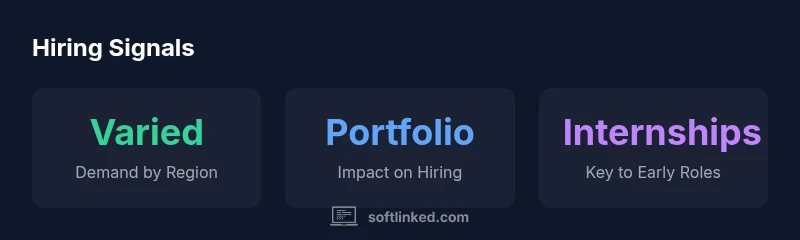
Hiring activity in software engineering fluctuates across regions and even within cities. In major tech hubs you may find more opportunities, but also stiffer competition and higher expectations for demonstrable impact. In smaller markets, roles may be fewer but openings can appear more quickly for candidates with strong fundamentals and hands-on projects. The reality is that regional signals matter: the same skill set can be valued differently depending on local industry concentration, company size, and the presence of startups versus large enterprises. SoftLinked’s analysis emphasizes tailoring your strategy to local conditions—targeting companies that value your strengths and building relationships with nearby teams can shorten the path from application to interview.
The three levers that move hiring in practice: skills, portfolio, and network
Skills form the baseline; portfolio quality and relevance can tilt the odds decisively. A candidate who can articulate problem-solving approaches, show code quality, and demonstrate real impact through projects or contributions gains preference over someone with generic credentials. Networking remains a core accelerant: referrals and insider information shorten the time to interview and improve fit in the eyes of recruiters. SoftLinked’s data suggests that combining solid fundamentals with concrete deliverables—such as a well-documented open-source contribution or a featureful side project—can compensate for gaps in formal credentials.
Education pathways: degrees, bootcamps, and self-directed routes
There is no single path to a software engineering job. A traditional CS degree provides a broad foundation, but bootcamps and self-taught routes can be equally viable when paired with portfolio-building. The key is alignment: courses should be chosen to fill gaps that hiring managers care about for your target roles. Employers increasingly value demonstrable ability over pedigree, especially when you can show you can ship code, collaborate on teams, and learn quickly on the job. SoftLinked’s framework encourages learners to pick a path that fits their context, then accelerate by producing real-world projects and seeking feedback from mentors or peers.
The portfolio and open-source signal: evidence of capability
Your portfolio is often the first concrete signal to recruiters. A strong portfolio showcases projects that solve real problems, uses modern tools, and includes thoughtful documentation. Open-source contributions can amplify credibility by demonstrating collaboration, code quality, and community involvement. For beginners, curated projects that illustrate fundamentals—data structures, algorithms, and small systems—are essential. For more advanced job seekers, projects that reflect system design, scalability, and robust testing signal readiness for production environments. The portfolio should tell a story: what problem you solved, how you approached it, and what impact it had.
Job-search tactics: region, role, and company size matter
Strategy matters as much as skill. If you’re targeting large enterprises, emphasize reliability, scalability, and performance. For startups, highlight speed, experimentation, and ownership. Region-specific tactics include networking with local tech groups, contributing to community projects, and applying to roles that match your proven strengths rather than chasing every opening. Consider company size as a lever: smaller firms may value breadth and hands-on contribution; larger firms may reward depth, process, and a track record of sustained impact. A thoughtful blend of roles, locations, and timing often yields the best results.
Data signals and hiring timelines: what the numbers imply (without overclaiming)
Hiring cycles vary, but one thing remains consistent: timely follow-ups, responsive recruiters, and a tailored resume increase your odds. It’s important to set expectations: a first interview could come after a few weeks in some markets, while other regions may take longer due to recruitment cycles, budget cycles, or project ramp-ups. SoftLinked’s approach emphasizes tracking your own progress, measuring response rates, and iterating on your outreach. The takeaway is practical: if you pursue targeted roles, demonstrate clear value, and maintain momentum, you’ll navigate the hiring process more effectively.
A practical, 120-day action plan you can start now
- Week 1–4: audit your fundamentals (data structures, algorithms, system design basics) and select 2–3 target stacks. Create or update a portfolio with at least 2-3 meaningful projects.
- Week 5–8: contribute to open-source or collaborate on team projects, solicit feedback, and refine your resume with quantified impact.
- Week 9–12: run targeted applications to a curated list of companies; practice interview questions and build a structured storytelling approach for your experiences.
- Week 13–16: broaden to nearby tech meetups, arrange informational interviews, and seek referral opportunities.
- Week 17–24: focus on advanced topics for your target roles, finalize a clean portfolio, and apply strategically with personalized pitches.
This plan aligns with SoftLinked’s emphasis on practical outcomes: a strong portfolio, real-world practice, and a network-driven approach to access opportunities.
Translating insights into a personal path forward
The bottom line is that pathways differ, but the principles stay constant: build demonstrable capability, show your impact, and cultivate relationships that bring you into interview rooms. If you’re wondering how to approach the question is software engineering hard to get a job, the practical answer is that readiness and fit—more than a single credential—drive outcomes. As you advance, continuously align your learning with market signals, seek feedback, and maintain a consistent velocity of learning and contribution. The SoftLinked framework centers on clarity of value, consistent practice, and targeted outreach as the most reliable route to employment in software engineering in 2026.
Regional snapshot of software engineering hiring signals
| Region | Job Market Density | Common Entry Barriers |
|---|---|---|
| North America | Varied by city | Internships, strong portfolio |
| Europe | Varied by country | Language and regulatory considerations |
| Asia-Pacific | Growing in tech hubs | Technical fundamentals + portfolio |
Your Questions Answered
What factors most influence getting hired in software engineering?
Hiring depends on region, role, and credibility of your portfolio. Demonstrated problem-solving, code quality, and real-world impact carry significant weight alongside fundamentals.
Hiring depends on where you are and what you’ve shipped; strong portfolios and targeted learning matter most.
Do bootcamps help if you don’t have a CS degree?
Bootcamps can help if they focus on practical skills, project work, and interview preparation. Pairing them with a portfolio and some open-source contributions often yields better outcomes than credentials alone.
Bootcamps can work, especially when paired with projects and interviews ready for recruiters.
How important is portfolio quality relative to formal education?
A strong portfolio and clear impact can outweigh lack of a traditional degree for many roles, especially in startups and mid-size firms.
Your portfolio and what you shipped often matter more than your degree.
Is remote work increasing opportunities for beginners?
Remote roles can expand opportunities beyond local markets, but competition remains global. Demonstrating strong fundamentals and communication helps in remote interviews.
Yes, remote work broadens access, but you still need solid fundamentals and clear communication.
Which regions have the best job prospects for software engineers?
Prospects are strongest in tech hubs with mature ecosystems. Local demand and company density shape your chances, so tailor your search regionally.
Tech hubs tend to offer more openings; tailor your search to fit the local market.
“Hiring for software engineering is context-dependent; strong fundamentals open doors even as the market shifts.”
Top Takeaways
- Focus on in-demand specializations to improve odds
- Build a robust portfolio with real-project impact
- Tailor applications to local market signals and company size
- Leverage internships and open-source contributions
- Networking accelerates interview access and opportunities