How to Exit a Software Contract: Step-by-Step Guide
Learn how to exit a software contract legally and smoothly. This guide covers termination clauses, negotiation strategies, data handling, and practical steps to minimize risk in 2026.


You can exit a software contract by carefully reviewing the termination clauses, documenting your reasons, and negotiating a mutual exit. Start by locating termination-for-convenience or breach provisions, gather evidence of non-performance, and communicate in writing. This guide walks you through steps, risk checks, and practical tips to exit legally and minimize disruption.
Why exiting a software contract is more complex than it seems
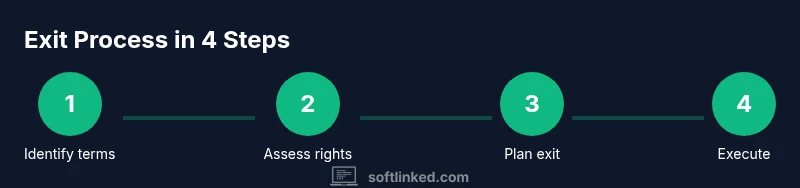
According to SoftLinked, navigating an exit starts with a clear understanding of contract structure, rights, and obligations. If you’re asking how to get out of a software contract, you must consider termination language, data handling requirements, and any post-termination duties. This section introduces the core idea: exits are rarely a single event; they are a process that includes documentation, negotiation, and compliance. You’ll learn how to map your current contract against typical termination paths and identify which route minimizes risk while preserving business relationships. The SoftLinked team emphasizes that most exits succeed when you align legal rights with practical steps that protect data, licenses, and ongoing operations.
This block establishes the framework for a safe exit by setting expectations, outlining common exit pathways, and flagging potential pitfalls early in the process.
Tools & Materials
- Contract copy (digital and printed)(Locate the most recent signed version and any amendments.)
- Termination clause excerpts(Highlight eligibility, notice periods, and remedies.)
- Legal counsel contact(Consult a contract attorney with software license experience.)
- Vendor communications records(Gather emails, letters, and meeting notes related to termination.)
- Data export and migration plan(Outline how you will retrieve and transfer data after exit.)
Steps
Estimated time: 2-6 weeks
- 1
Identify contract type and exit options
Review the signed agreement to locate termination-for-convenience, breach, and renewal terms. Note any required notices and timelines. This is the foundation for choosing the safest exit path.
Tip: Circle the exact clause language and quote it when you communicate with the vendor. - 2
Map obligations and current performance
Document where the vendor or you failed to meet service levels, milestones, or deliverables. Create a simple table outlining each obligation, its status, and any supporting evidence.
Tip: Use screenshots or system logs to corroborate performance gaps. - 3
Assess financial implications
Identify any early termination fees, refunds, or credit against future invoices. Compare potential costs against the value of exiting now.
Tip: Ask for a written fee outline to avoid later disputes. - 4
Draft a formal exit request
Write a concise notice citing the relevant termination clause and your reasons. Attach evidence and propose a practical exit date.
Tip: Keep the tone professional and collaborative to preserve the relationship. - 5
Request data export and transition support
Ask for a secure data export, a transfer plan, and any required data deletion or retention actions. Limit exposure by clarifying timelines.
Tip: Specify formats, timelines, and success criteria for migration. - 6
Involve your legal counsel for review
Have an attorney review the termination notice, expected costs, and risk exposures. Ensure compliance with governing law and any dispute resolution clauses.
Tip: Share the complete contract and your evidence pack for accurate advice. - 7
Negotiate a mutual termination agreement
Aim for a written agreement that covers data return, IP rights, post-termination support, and any fees. Seek concessions that reduce risk and ensure a clean break.
Tip: Offer a brief but detailed rationale to accelerate agreement. - 8
Document all communications
Keep a centralized log of every exchange, decision, and acknowledgment. This archive will support any future disputes.
Tip: Save copies in multiple secure locations. - 9
Implement the exit plan and monitor
Coordinate with IT, legal, and procurement to execute the transition. Monitor progress against the timeline and address blockers promptly.
Tip: Set milestone dates and assign owner accountability. - 10
Close the loop and review internal processes
Audit the exit to ensure no residual obligations remain and update internal vendor management playbooks to prevent recurrence.
Tip: Incorporate lessons learned into future contract templates.
Your Questions Answered
Can I terminate a software contract for convenience?
Some contracts include a termination-for-convenience clause, but it’s not universal. If present, follow the exact notice periods and conditions. If not, you may need to rely on breach or renegotiation to exit.
Many software contracts offer a termination-for-convenience option, but you must follow the clause precisely. If not available, you may need to rely on breach or renegotiation.
What if the vendor claims breach but I believe the issue is on their side?
Document the performance gaps with objective evidence and compare against the contract’s service levels. If the vendor is indeed failing, you may have a stronger exit position or the ability to withhold payments under specified terms.
Document any gaps with evidence and compare them to the service levels in the contract. If the vendor is failing, you may have a stronger exit position.
Do I need a lawyer to exit a software contract?
While not always mandatory, legal counsel helps ensure you interpret termination rights correctly, negotiate a clean exit, and manage potential penalties. They can also help draft a termination agreement.
A lawyer can help you interpret rights, negotiate the exit, and manage penalties. It’s advisable for more complex contracts.
Can I transfer my data to another provider as part of the exit?
Data transfer is common during exit, but you must confirm data export formats, timelines, and any costs. Ensure compliance with privacy and security requirements.
Data export is usually allowed with agreed formats and timelines; check privacy rules and any costs.
What happens to licenses after termination?
Licenses typically terminate on exit. Clarify whether data access continues temporarily for migration and whether any transitional licenses are offered.
Licenses end at exit; ask about temporary access or transitional licenses for migration.
Watch Video
Top Takeaways
- Know your termination rights before negotiating.
- Document all performance issues and communicate in writing.
- Coordinate with legal counsel early to reduce risk.
- Plan data export and transition to avoid disruption.