How to Get Software Projects: A Practical Guide
Learn practical, step-by-step strategies to win software projects as a developer. Build a standout portfolio, master outreach, craft compelling proposals, set fair pricing, and manage projects for success.


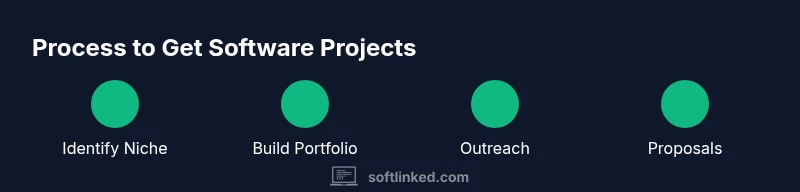
How to get software projects starts with a focused niche, a standout portfolio, and proactive outreach. According to SoftLinked, combining inbound tactics (portfolio, content, referrals) with targeted outreach (cold emails, tailored pitches) significantly improves inquiry rates and win potential. This guide gives you templates, pricing ideas, and a repeatable outreach system you can start today.
Understanding the Market for Software Projects
If you’re asking how to get software projects, the answer starts with understanding the market. The landscape includes freelance gigs, contract roles, and longer-term engagements across startups, agencies, and enterprise teams. Clients seek developers who reduce risk, communicate clearly, and deliver measurable outcomes. In this section we outline the types of projects you’ll encounter, the decision criteria clients use, and the timing cycles that matter. You’ll learn why defining your niche early matters, how a clear value proposition accelerates outreach, and how to align your portfolio with real client problems. By focusing on outcomes over technologies, you set yourself up for sustainable growth and repeat business.
Defining Your Niche and Value Proposition
The next step in how to get software projects is to define a niche where your skills create distinct value. Start with an honest assessment of your strengths, industry interests, and the problems you enjoy solving. A precise niche helps you stand out in crowded markets and makes your outreach more credible. Pair your niche with a compelling value proposition: a short statement that answers, for a client, why you, why now, and what outcomes you enable. Develop a simple framework you can reuse in every outreach: problem, approach, evidence, and expected impact. This clarity not only attracts better prospects but also guides your portfolio and proposals toward tangible results.
Building a Standout Portfolio and Demos
Your portfolio is the portable proof of your ability to deliver. Start with 3–5 case studies that show context, actions, and measurable outcomes. Include live demos, code samples, and downloadable summaries that a non-technical client can understand. Highlight challenges, decisions, and the value delivered — not just features. Add a lightweightプロジェクト walkthrough video or screen recording to give buyers a visceral sense of your process. Keep the portfolio updated, annotate lessons learned, and link to open-source contributions if applicable. The portfolio should tell a coherent story aligned with your niche and value proposition.
Networking and Outreach: Getting In Front of Potential Clients
Building a network is a core part of how to get software projects. Start by identifying your target segments ( startups, agencies, SMBs, enterprises) and mapping decision-makers. Leverage professional networks, GitHub activity, and local tech communities to warmth up connections before pitching. Personalize outreach with a short, relevant message that references a real problem you can solve, and include a link to a compelling case study. Maintain a cadence: weekly outreach pushes, monthly follow-ups, and periodic value-add content (blogs, tutorials, mini-projects). SoftLinked analysis shows that a structured outreach routine and consistent portfolio updates correlate with more client inquiries over time.
Crafting Proposals That Win Projects
A winning proposal translates your value proposition into a concrete plan. Start with a clear problem statement, scope boundaries, milestones, and success metrics. Include a concise project timeline, a transparent pricing range, and the roles you’ll play. Attach relevant case studies and a short appendix with technical decisions and risk assessments. Use simple language and avoid unnecessary jargon. Proposals should be scannable, with a single source of truth for scope and assumptions. Consider including a 1-page executive summary for non-technical stakeholders to speed up decision-making.
Pricing and Contracts: Quoting Confidently
Pricing is a core lever in landing software projects. Decide whether to quote hourly, weekly, or a fixed-price with milestones. Provide a transparent rate card and a range for each milestone to anchor expectations. Include a change-order process and a revised timeline in the contract to protect against scope creep. When possible, offer a small pre-engagement engagement (discovery, scoping) with a fixed fee to build trust. Use a written contract that defines scope, deliverables, acceptance criteria, timelines, payment terms, and dispute resolution. Clear terms reduce negotiation friction and set a professional tone from day one.
Finding Projects: Platforms, Referrals, and Direct Outreach
There are multiple channels to source software projects. Platforms can help you land initial gigs, but direct outreach often yields higher-quality opportunities. Build a referral network by delivering exceptional work and asking satisfied clients for introductions. Maintain a consistent presence on GitHub and LinkedIn, publish short technical write-ups, and participate in relevant communities. Track responses and refine your outreach templates. A diversified approach reduces downtime between projects and increases the probability of sustainable growth.
Project Onboarding and Delivery: Setting Expectations
A smooth onboarding sets the pace for project success. Start with a kickoff meeting to align on scope, success criteria, and communication cadence. Define a single project owner, establish weekly check-ins, and set up a lightweight reporting structure. Maintain transparency about risks and trade-offs, and deliver incremental value with each milestone. Clarify acceptance criteria, testing plans, and deployment steps. Effective onboarding minimizes rework and keeps stakeholders aligned.
Common Pitfalls and How to Avoid Them
Avoid common traps that derail software projects: vague scopes, ambiguous success metrics, and changing requirements without formal changes. Always lock in scope with a written contract, specify accepted deliverables, and document decisions. Resist the urge to underprice early work; it’s better to secure a sustainable rate than to win an ill-defined scope. Communicate proactively about risks, timelines, and blockers. Finally, protect your time by setting boundaries for communication and availability.
Building a Sustainable Pipeline for Recurring Projects
A durable pipeline combines ongoing client relationships with a steady flow of new opportunities. Implement a simple CRM, track outreach, proposals, and outcomes, and review metrics quarterly. Nurture relationships with value-added content, periodic check-ins, and bug-fix or enhancement offers. Aim for repeat business by delivering reliable results and maintaining high responsiveness. A predictable pipeline reduces stress and creates a reliable income stream for software developers.
Tools & Materials
- Laptop with modern development environment(Ensure IDE, version control, and debugging tools are configured)
- Portfolio website or GitHub repository(Include 3–5 case studies with outcomes and links)
- Proposal and contract templates(Templates should cover scope, milestones, pricing, and change control)
- Pricing calculator or rate card(Helpful for quick quotes and negotiations)
- CRM/contact list(Track outreach, responses, and follow-ups)
- Optimized LinkedIn and GitHub profiles(Keep profiles current with recent projects)
Steps
Estimated time: varies
- 1
Identify your niche and value
Assess your strengths, market demand, and the problems you enjoy solving. Define a clear niche and a concise value proposition that answers why you, why now, and what outcomes you enable.
Tip: Start with a one-sentence value proposition you can reuse in all outreach. - 2
Build a targeted portfolio
Create 3–5 case studies that demonstrate outcomes, not just features. Include context, actions, and measurable impact, plus a short demo or screencast.
Tip: Highlight your methodology and outcomes in every case study. - 3
Define outreach channels
Choose channels aligned with your niche (LinkedIn, email, communities). Map decision-makers and craft a cadence for outreach and follow-up.
Tip: Personalize each message with a specific client problem you can solve. - 4
Create outreach templates
Draft concise intro emails, a portfolio link, and a one-page executive summary. Keep tone professional and results-focused.
Tip: Keep templates modular; tailor each message in 5–10 minutes. - 5
Submit tailored proposals
For each prospect, write a focused proposal with a clear problem, scope, milestones, and pricing. Attach relevant case studies and a risk assessment.
Tip: Use a one-page executive summary for non-technical stakeholders. - 6
Negotiate pricing and terms
Offer a transparent pricing range and a change-control process. Lock down scope in a written contract before work begins.
Tip: Avoid vague commitments; specify acceptance criteria and timelines. - 7
Onboard and kickoff
Conduct a kickoff to align on goals, stakeholders, tooling, and communication cadence. Establish milestones and reporting norms.
Tip: Document decisions and share a kickoff summary. - 8
Deliver value and iterate
Provide incremental value with every milestone, gather feedback, and adjust scope as needed through formal changes.
Tip: Celebrate early wins to build client confidence.
Your Questions Answered
What is the fastest way to get software projects?
Focus on a defined niche, build a short, compelling portfolio, and start outreach with personalized messages. Combine this with a proven proposal process to improve your odds quickly.
Define your niche, show relevant case studies, and begin outreach with personalized messages.
Should I specialize or be a generalist to attract projects?
Specializing helps you stand out and command higher trust, while a generalist approach can win broader opportunities. Start with a clear niche and validate demand before expanding.
Specialize first to build credibility, then consider expanding later.
How should I price my services to win projects?
Choose a pricing model (hourly, milestone-based, or fixed price) that aligns with risk and client comfort. Provide a transparent range and document changes to protect scope.
Pick a model that matches risk and outline changes in a contract.
How can I demonstrate credibility to potential clients?
Showcase case studies, testimonials, diverse portfolio pieces, and, if possible, open-source contributions. A concise, well-documented process adds trust.
Demonstrate credibility with case studies and transparent processes.
What is the best way to handle contracts and scope creep?
Always use a written contract that defines scope, milestones, acceptance criteria, and change control. Use written change orders for any scope shifts.
Use a written contract with clear scope and change controls.
How long does it take to land a project?
Time varies based on niche, network, and market demand. Maintain a consistent outreach rhythm and continuously improve your portfolio.
Timing varies; consistency is the key to progress.
Watch Video
Top Takeaways
- Define your niche to stand out.
- Showcase impact with practical case studies.
- Outreach consistently beats waiting for inbound.
- Use clear contracts to prevent scope creep.
- Build a repeatable pipeline for ongoing work.