How Software Engineers Dress: A Practical Guide
Explore how software engineers dress for work across startups, enterprises, and remote settings. Learn versatile wardrobe strategies, essential pieces, and budgeting tips to balance comfort, professionalism, and culture.


Definition: In most software teams, dress codes balance comfort with professionalism. A software engineer typically wears smart-casual or business-casual attire, emphasizing clean fits, neutral colors, and practical footwear. The exact level depends on company culture, remote policies, and meeting needs. A flexible wardrobe supports long coding sessions, collaborative pair programming, and welcoming interview environments. How does a software engineer dress? It’s adaptive—professional enough for meetings, comfortable enough for focus, and versatile for day-to-day tasks.
Why attire matters in software engineering
How does a software engineer dress? The answer isn’t one-size-fits-all. Attire influences comfort, focus, and how teammates perceive you during collaboration. According to SoftLinked, clothing should neither distract nor hinder cognitive work; comfort enables longer coding sessions and sharper problem-solving. A typical range spans smart-casual to business-casual, with flexibility for remote work. Neutral colors—navy, charcoal, black, and olive—offer versatility and professionalism, while breathable fabrics reduce heat during long desk days. When you pair good fit with function—stretch fabrics, wrinkle resistance, and simple silhouettes—you minimize wardrobe friction so you can focus on code, not clothes.
In practice, teams often codify expectations in onboarding materials or team chats. Startups may permit casual wear that signals energy and creativity, while larger enterprises frequently expect a consistent look anchored in business-casual norms. The key is to observe, ask peers, and adjust accordingly. For the question "how does a software engineer dress", the best answer is: adapt outfits to daily activities while maintaining a respectful, approachable appearance.
note64
Tools & Materials
- Dark/dark-wash jeans(Stretch denim for comfort; avoid ripped or distressed styles in most corporate settings)
- Chinos or casual trousers (neutral colors)(Navy, charcoal, or khaki; versatile across environments)
- Button-down shirts (solid colors or subtle patterns)(Oxford or poplin; wrinkle-resistant if possible)
- Polo shirts or smart-casual tops(Brighten outfits while staying professional)
- Knit sweaters or cardigans(Layering pieces that stay comfortable in fluctuating office temperatures)
- Blazer or unstructured sport coat(One versatile option for meetings or presentations)
- Leather or clean casual belt(Coordinate with shoes; avoid noisy buckles)
- Clean sneakers or loafers(Opt for minimalist design and good conditioning)
- Lightweight jacket or coat(Adaptable to weather; choose neutral color)
- Dress shoes or smart flats(Keep soles in good condition; reserve for formal days)
Steps
Estimated time: 4-6 hours
- 1
Define your dress-code goals
Clarify the target look for your role and company culture. List activities you’ll regularly attend (daily standups, client meetings, code reviews) and identify what attire supports focus and confidence.
Tip: Write a one-sentence style goal you can revisit before starting a workweek. - 2
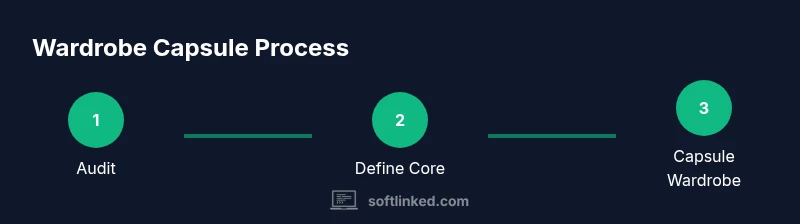
Audit your current wardrobe
Inventory what you already own, note wear condition, and separate items that align with the target look. Remove anything that consistently causes discomfort or distraction.
Tip: Photograph outfits for quick mix-and-match references. - 3
Identify core pieces
Select a cohesive set of separates (dark jeans, chinos, button-downs, knit layers) that mix and match across days. Focus on fit and fabric quality over quantity.
Tip: Stick to a limited color palette to maximize interchangeability. - 4
Build a capsule wardrobe
Curate a 2–3 week rotation of outfits using the core pieces plus a blazer or jacket for meetings. Aim for 6–10 tops and 4–6 bottoms.
Tip: Choose wrinkle-resistant fabrics to reduce ironing needs. - 5
Source affordably and sustainably
Seek durable basics from mid-range brands or second-hand options that offer consistent sizing and quality. Prioritize returns and fit guarantees.
Tip: Shop during sales and tailor items to improve fit. - 6
Plan outfits by scenario
Create 3 outfit templates for typical days (coding-heavy, meeting-heavy, client-facing). Modify with layers for weather and light.
Tip: Keep a small packing list for travel days. - 7
Grooming and accessories
Establish a simple grooming routine and select a few tasteful accessories (watch, belt, discreet jewelry) to signal professionalism.
Tip: Ensure accessories don’t distract during screen sharing. - 8
Seasonal adjustments
Rotate fabrics by season; add lighter tees for summer and warmer knits for winter while preserving a consistent color base.
Tip: Layering is your friend—simplifies transitions from office to outdoors. - 9
Budget planning
Set a modest budget and pace purchases to maintain a fresh look without overspending. Prioritize versatile pieces over trend items.
Tip: Use price-per-wear calculations to judge value. - 10
Review and adjust
Reassess quarterly: which outfits work, which don’t, and what events require a slight upgrade. Iterate the capsule as needed.
Tip: Keep a small wishlist for future updates.
Your Questions Answered
What does 'smart-casual' mean in tech workplaces?
Smart-casual blends neat, presentable pieces with comfortable fabrics. Think clean chinos or dark jeans with a polo or button-down and a lightweight jacket when needed.
Smart-casual means neat yet comfortable pieces like chinos with a clean shirt and a light jacket if you need it.
Can jeans be worn at work in software roles?
Jeans are common in many tech environments if they are dark, well-fitted, and free from distressing. Always align with your team’s norms and escalation points for meetings.
Yes, dark, well-fitted jeans are common in many tech teams, but verify culture for important meetings.
How should I dress for a first interview?
Aim for a polished version of smart-casual: pressed pants or skirts, a neat button-down, and conservative shoes. If the company is very casual, lean toward business-casual without being overly formal.
For interviews, dress a polished smart-casual. Lean conservative but neat.
What about dress codes for client meetings?
Client-facing days warrant a slightly crisper look: blazer, pressed pants, tidy shoes, and minimal accessories. Start with a neutral palette and avoid flashy items.
For client meetings, opt for a crisper blazer-and-pants look with neutral colors.
Is remote work dress different from in-office dress?
Remote work prioritizes comfort but still requires presentable tops for video calls. A simple, clean top with breathable fabrics is often sufficient.
Remote work is cozier—focus on clean tops for video calls.
How can a student build a professional wardrobe on a budget?
Start with a core set of versatile pieces in neutral colors, shop during off-season sales, and consider second-hand options with good return policies.
Students should buy versatile basics, shop sales, and consider second-hand options.
Watch Video
Top Takeaways
- Define culture-driven wardrobe goals.
- Prioritize versatile, well-fitting basics.
- Layer smartly to adapt to environments.
- Invest in quality fabrics with low ironing needs.
- Plan, budget, and iterate wardrobe choices.